

The Enduring Distinction: Aristocracy vs. Monarchy in Political Thought
At the heart of political philosophy lies the quest to understand the ideal forms of government and their practical manifestations. Among the most foundational distinctions, often blurred in common parlance, is that between aristocracy and monarchy. While both can represent a concentration of power, their fundamental definitions, underlying principles, and potential for virtue or corruption are profoundly different. This article will delve into these distinctions, drawing upon the timeless insights preserved within the Great Books of the Western World.
Monarchy: Rule by the One
The term monarchy derives from the Greek monos (single) and arkhein (to rule), literally meaning "rule by one." In its purest form, a monarchy designates a system of government where ultimate authority is vested in a single individual, the monarch.
Key Characteristics of Monarchy
- Single Ruler: The defining feature is the singular head of state.
- Hereditary Succession: Traditionally, monarchies pass power down through a family line, often from parent to child. This provides a clear, albeit sometimes contentious, line of succession, theoretically preventing power struggles.
- Divine Right (Historically): Many historical monarchies, particularly in Europe, asserted a "divine right" to rule, claiming their authority was granted by God, making their rule unquestionable.
- Types:
- Absolute Monarchy: The monarch holds supreme, unchecked power, often without legal or constitutional limitations (e.g., Louis XIV of France).
- Constitutional Monarchy: The monarch's power is limited by a constitution, and often acts as a ceremonial head of state, with real political power residing in an elected parliament or other governmental bodies (e.g., the United Kingdom).
Philosophers like Thomas Hobbes, in Leviathan, explored the necessity of a single, powerful sovereign (which could be monarchical) to prevent societal chaos, arguing for an absolute authority to maintain order. However, others, like John Locke, posited that even a monarch's power must be limited by the consent of the governed and natural rights.
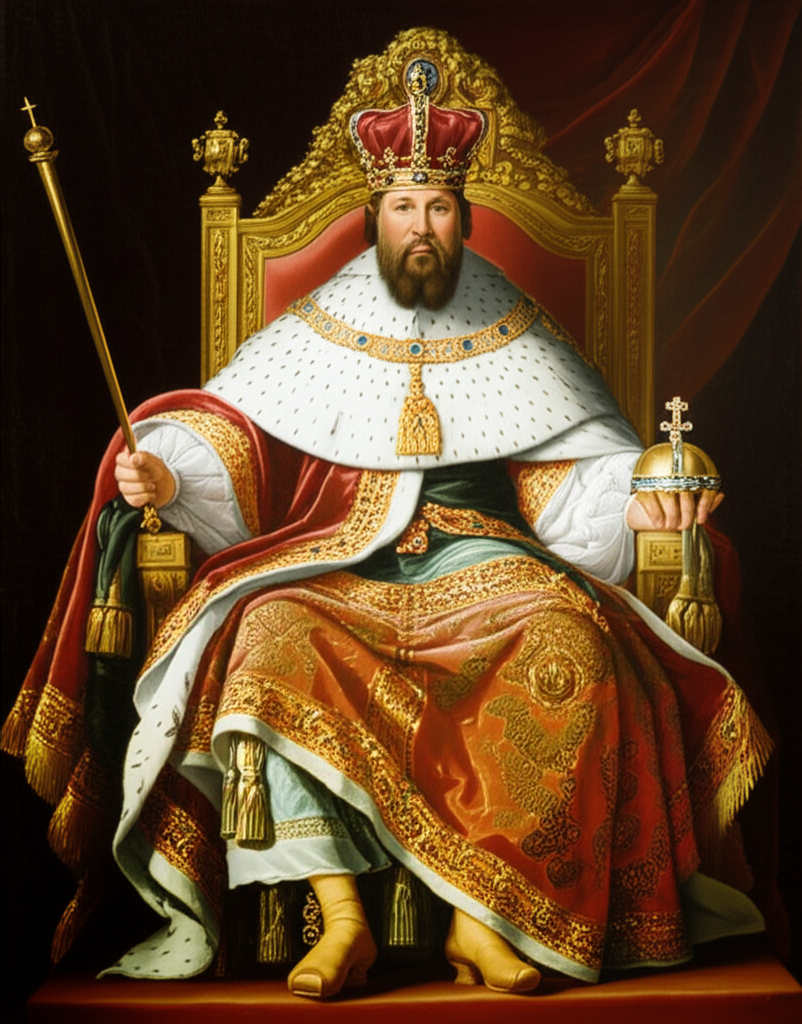
Aristocracy: Rule by the Best
Aristocracy, also from Greek, combines aristos (best) and kratos (power), signifying "rule by the best." This concept is inherently qualitative and aspirational, positing that government should be managed by those most qualified, most virtuous, or most capable.
Key Characteristics of Aristocracy
- Rule by a Select Few: Power is held by a minority, not necessarily a single individual or a large populace.
- Emphasis on Merit/Virtue: Ideally, aristocrats are chosen for their superior wisdom, moral character, military prowess, or other forms of excellence. Plato's philosopher-kings in The Republic represent the ultimate aristocratic ideal—rulers chosen for their profound wisdom and dedication to justice.
- Public Good Orientation: In its pure form, an aristocracy governs for the benefit of the entire community, not just the ruling class.
- Potential for Corruption: Aristotle, in his Politics, meticulously distinguished aristocracy from its perverted form, oligarchy. While aristocracy aims for the common good through the rule of the virtuous, oligarchy is the rule of the wealthy few, governing for their own self-interest. The transition from a merit-based aristocracy to a birth-based nobility often led to this corruption, where privilege supplanted virtue.
A Comparative Glance: Monarchy vs. Aristocracy
The fundamental differences between these two forms of government become clearer when juxtaposed.
| Feature | Monarchy | Aristocracy |
|---|---|---|
| Number of Rulers | One (the monarch) | A select few (the "best") |
| Basis of Power | Hereditary succession, divine right | Merit, virtue, wisdom, excellence |
| Ideal Goal | Order, stability, unity | Justice, common good, enlightened governance |
| Potential Perversion | Tyranny (absolute, self-serving rule) | Oligarchy (rule by the wealthy/privileged for self-interest) |
| Legitimacy Source | Birthright, tradition, divine mandate | Demonstrated excellence, wisdom, virtue |
Philosophical Roots in the Great Books
The Great Books of the Western World provide a rich tapestry for understanding these distinctions.
- Plato's Republic: Plato outlines an ideal state governed by philosopher-kings, a clear vision of aristocracy based on intellectual and moral superiority. He views monarchy (tyranny) as one of the most corrupt forms of government.
- Aristotle's Politics: Aristotle systematically categorizes forms of government by the number of rulers and whether they govern for the common good or self-interest. He considers monarchy (kingship) and aristocracy as "correct" forms when aimed at the common good, contrasting them with their "deviant" counterparts: tyranny and oligarchy, respectively.
- Machiavelli's The Prince: While not explicitly defining aristocracy, Machiavelli's advice to princes (monarchs) on acquiring and maintaining power often touches upon the practical realities of single-person rule, devoid of the ethical considerations of older philosophers.
The philosophical journey through these texts reveals that while both monarchy and aristocracy can be envisioned as beneficial forms of government, their practical application often diverges sharply from their ideal definitions. The critical factor, as ancient philosophers observed, is whether the rulers—be it one or a few—govern with a genuine commitment to the welfare of the entire polity, or merely for their own aggrandizement. Understanding this distinction is crucial for appreciating the evolution of political thought and the enduring challenges of governance.
📹 Related Video: PLATO ON: The Allegory of the Cave
Video by: The School of Life
💡 Want different videos? Search YouTube for: ""Plato's Republic summary" or "Aristotle's Politics forms of government""