

The Profound Chasm: Unpacking the Distinction Between Angel and Man
Summary: The fundamental distinction between Angel and Man lies in their very definition and mode of existence. While both are rational beings capable of intellect and will, Angels are pure, unembodied spirits, possessing immediate and immutable knowledge, existing outside the constraints of physical matter. Man, in contrast, is an embodied spirit—a rational animal whose intellect operates through sensory experience and whose will is shaped by temporal deliberation and the challenges of physical existence. This core difference has profound implications for theology, metaphysics, and our understanding of the hierarchy of being.
Beyond the Wings: Defining the Angelic Nature
When we speak of Angels in a philosophical and theological context, particularly as understood through the lens of the Great Books tradition, we are referring to something far more profound than winged messengers. The definition of an Angel hinges on its absolute spirituality and lack of material composition.
- Pure Intellect and Spirit: An Angel is, by its very nature, an intellectual substance entirely devoid of a body. It does not possess organs, senses, or a physical location in the way Man does. Its existence is purely spiritual.
- Immediate Knowledge: Unlike Man, whose knowledge begins with sensory input and progresses through abstraction and reasoning, an Angel possesses intuitive and immediate knowledge. It grasps truth directly, without the need for discursive thought or empirical investigation. This knowledge is often understood as infused by God, perfect and complete from its creation.
- Immutability of Choice: The angelic will, once fixed, is immutable. Having a perfect and immediate grasp of good and evil from the outset, an Angel's choice, whether for good or ill, is made with complete understanding and is therefore final. There is no process of deliberation, reconsideration, or change of mind in the human sense.
- A-temporal Existence: While created in time, Angels are not subject to the same temporal flux and development as Man. Their existence is often described as a single, enduring "now," without the sequential progression of human experience.
The Embodied Intellect: Defining the Nature of Man
The definition of Man (or human being) presents a stark contrast to that of the Angel. Man is understood as a composite being, a "rational animal," whose essence is inextricably linked to both spirit and matter.
- Embodied Spirit: Man is a unique synthesis of a spiritual soul and a material body. The soul, the form of the body, is what gives life, sensation, and intellect to the human being. This embodiment is not accidental but essential to human nature.
- Sensory-Based Knowledge: Human intellect operates through the senses. We perceive the world, abstract universal concepts from particular experiences, and engage in a process of reasoning—moving from premises to conclusions. Our knowledge is acquired, imperfect, and subject to error and revision.
- Deliberative Will: The will of Man is characterized by deliberation and potential for change. Faced with various goods, we weigh options, choose, and can, through a process of reflection and growth, alter our choices and character over time. This freedom of will, often exercised amidst uncertainty and temptation, is central to the human condition and our moral development.
- Temporal and Developmental Existence: Man exists fundamentally within time. We are born, grow, learn, adapt, and eventually die. Our lives are a journey of becoming, marked by change, development, and the pursuit of potential. This temporal existence allows for moral growth, repentance, and the ongoing formation of character.
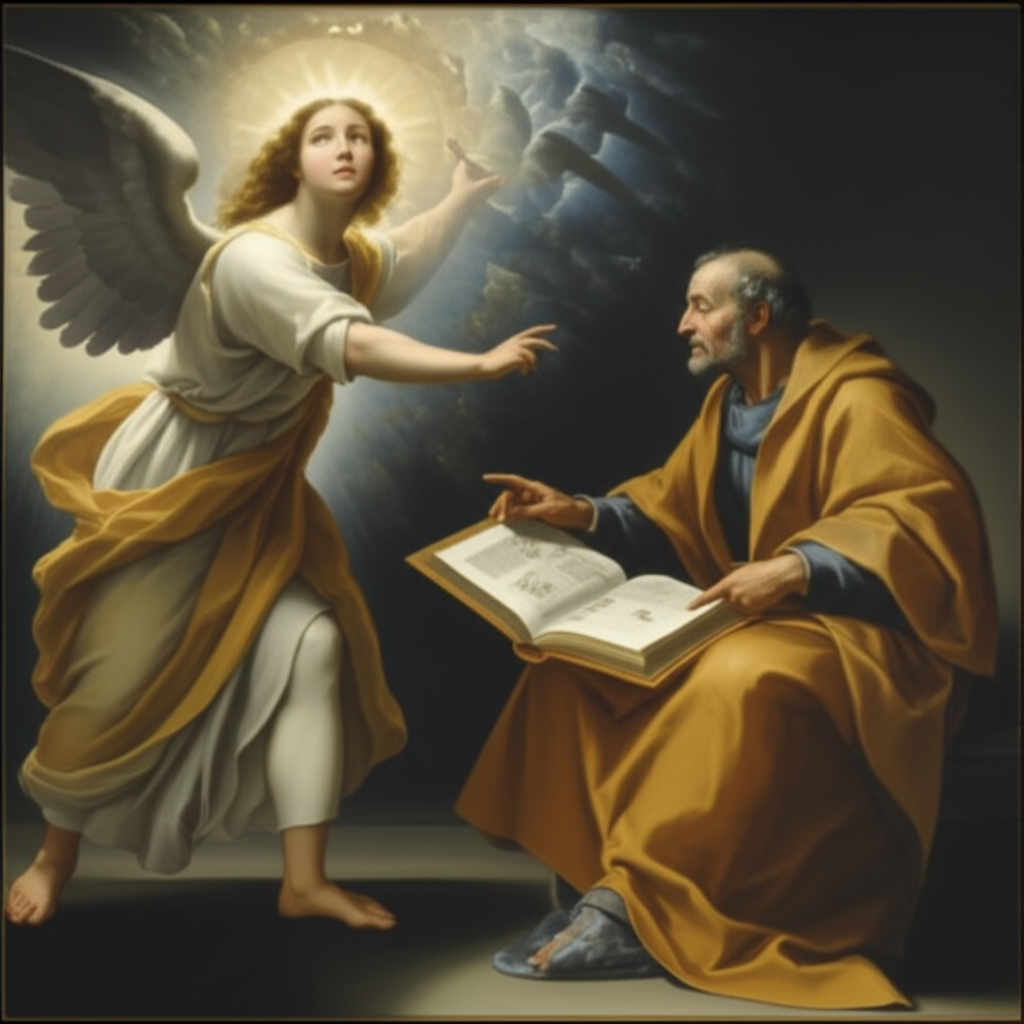
Core Distinctions: A Comparative Overview
To further clarify the profound differences, consider this comparison rooted in classical theology and philosophy:
| Feature | Angel | Man |
|---|---|---|
| Nature | Pure spirit, unembodied intellect | Embodied spirit, composite of body and soul (rational animal) |
| Mode of Being | Immaterial, simple substance | Material and spiritual, composite substance |
| Knowledge | Intuitive, immediate, complete, infused | Discursive, acquired through senses and reason, progressive |
| Will/Choice | Immutable once made, perfect understanding | Deliberative, mutable, subject to change and deliberation |
| Existence | A-temporal, non-local (in human terms) | Temporal, spatial, developmental, mortal |
| Perfection | Perfect from creation (in its kind) | Seeks perfection through growth, learning, and moral effort |
| Relation to God | Direct intellectual apprehension | Apprehension through creation, revelation, and faith |
Why These Distinctions Matter: Philosophical and Theological Implications
The rigorous definition and distinction between Angel and Man are not mere academic exercises; they are foundational to a comprehensive understanding of reality, theology, and our place within the cosmos.
- Understanding Our Own Nature: By contrasting ourselves with Angels, we gain a clearer perspective on what it means to be human—our unique challenges, our potential for moral growth, and the dignity of our embodied existence. It highlights the wonder of an intellect that operates through the senses, and a will that strives amidst temporal constraints.
- The Hierarchy of Being: This distinction helps articulate a sophisticated hierarchy of creation, where different types of beings possess different perfections and modes of existence, all ordered towards a supreme good. Angels often occupy a higher rung due to their immateriality and immediate knowledge, but Man's unique composite nature and potential for spiritual ascent through struggle are equally significant.
- The Nature of Knowledge and Will: The contrasting modes of knowledge and will in Angels and Man illuminate fundamental philosophical questions about epistemology and ethics. It underscores the value of sensory experience, the process of abstraction, and the moral weight of human freedom and deliberation.
- Theological Implications: For theology, these distinctions are critical for understanding concepts like divine providence, the nature of sin, redemption, and the ultimate destiny of both Angels and Man. It helps explain why Angels fell immediately and irrevocably, while Man is offered a path to repentance and salvation.
The meticulous definition and distinction between Angel and Man, deeply explored in the Great Books tradition, compel us to reflect not only on the nature of celestial beings but, more importantly, on the profound and often challenging wonder of our own human nature.
YouTube Video Suggestions:
-
📹 Related Video: ARISTOTLE ON: The Nicomachean Ethics
Video by: The School of Life
💡 Want different videos? Search YouTube for: "Thomas Aquinas Angels Nature Summa Theologica"
2. ## 📹 Related Video: ARISTOTLE ON: The Nicomachean Ethics
Video by: The School of Life
💡 Want different videos? Search YouTube for: "Aristotle Soul Man De Anima Philosophy"