

The Celestial and the Terrestrial: Unpacking the Distinction Between Angel and Human
The realms of theology and philosophy have long grappled with the profound question of what it means to be, and how different forms of existence are ordered within the cosmos. Among the most compelling comparisons is that between the angel and man. This article delves into the fundamental definition of each, exploring the unique attributes that set them apart, drawing upon the rich intellectual heritage found within the Great Books of the Western World. We will uncover how their distinct natures, modes of knowledge, and purposes illuminate not only their individual essences but also the intricate tapestry of creation as understood through centuries of rigorous thought.
Defining the Angelic: Pure Intellect and Immateriality
To understand the angel is to grasp the concept of a pure spirit, an immaterial being without a corporeal body. Within theology, particularly in the Thomistic tradition (prominently featured in the Great Books through the works of St. Thomas Aquinas), angels are understood as subsistent forms, intellectual substances completely free from matter.
Key Characteristics of Angels:
- Immateriality: Angels are not composed of matter and form in the human sense. They are pure form, pure spirit. This means they do not occupy space, nor do they experience time in the same way humans do.
- Intellectual Nature: Their primary faculty is the intellect. They possess a perfect, intuitive grasp of knowledge, infused directly by God at their creation. They do not learn through sensory experience or discursive reasoning as man does. Their knowledge is immediate and comprehensive.
- Volition and Immutability: Angels possess free will, but their choices, especially the foundational choice for or against God, are made with perfect clarity and full understanding of consequences. Once made, these choices are often considered immutable, leading to either beatitude or eternal separation from God.
- Hierarchy and Order: Angelic beings are often depicted as existing in a complex hierarchy, with different orders (e.g., Seraphim, Cherubim, Thrones) possessing varying degrees of perfection and responsibilities, all serving divine providence.
- Messengers and Ministers: The very word "angel" (from the Greek angelos) means "messenger." Their role often involves conveying divine will, protecting, and ministering to creation.
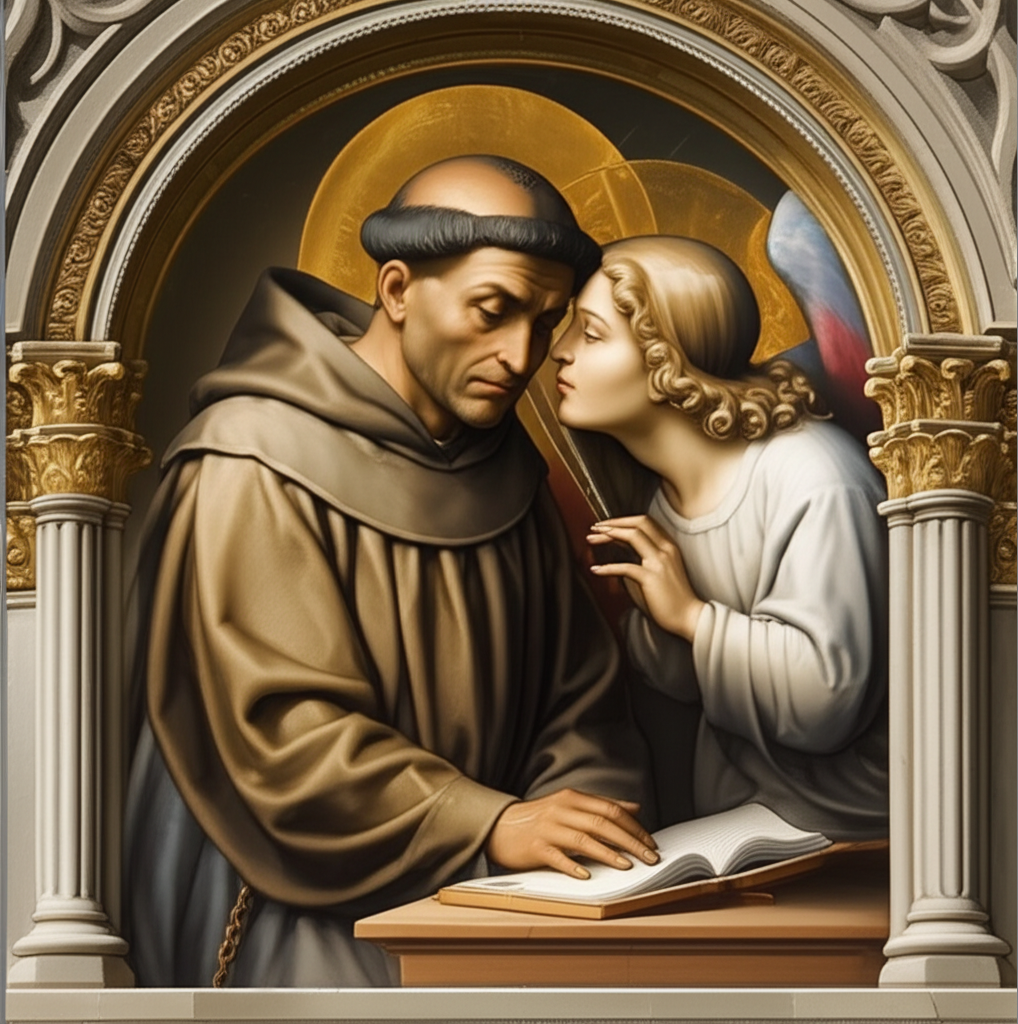
Defining the Human (Man): Embodied Rationality and Dual Nature
In contrast, man is defined by a composite nature: a union of body and soul, matter and spirit. This duality is central to the philosophical and theological understanding of human existence.
Key Characteristics of Humans:
- Composite Nature: Man is a hylomorphic being, meaning a union of matter (the body) and an immaterial soul. This intimate connection means our physical experiences are integral to our intellectual and spiritual journey.
- Rationality and Discursive Thought: While possessing an intellect, the human mind acquires knowledge differently than an angel. We learn through sensory experience, abstraction, and a process of reasoning (discursive thought), moving from premises to conclusions. Our intellect is often described as potential rather than fully actualized from the outset.
- Temporal and Spatial Existence: Humans exist within time and space, subject to the physical laws of the material world, including growth, change, and decay.
- Moral Freedom and Mutability: Human free will is exercised within the constraints of our embodied existence. Our choices are often made with imperfect knowledge and can be revised or repented. We are capable of moral growth and change throughout our lives.
- Purpose and Telos: According to many philosophical and theological traditions, man's ultimate purpose (telos) is beatitude or union with God, achieved through a journey of faith, reason, and moral action. We are created in the image and likeness of God, reflecting both His intellect and will, albeit imperfectly.
A Comparative Analysis: The Core Distinctions
The differences between angel and man are not merely superficial; they penetrate to the very core of their being, influencing everything from their mode of knowledge to their relationship with the divine.
| Feature | Angel | Human (Man) |
|---|---|---|
| Nature | Pure Spirit, Immaterial, Simple Substance | Composite of Body and Soul, Material & Spiritual |
| Knowledge | Intuitive, Infused, Immediate, Complete | Discursive, Acquired via Senses & Reason, Gradual, Imperfect |
| Will/Choice | Immutable after initial choice (perfect clarity) | Mutable, Subject to change and repentance (imperfect clarity) |
| Existence | A-spatial, A-temporal (relative to us) | Spatio-temporal, Subject to physical laws |
| Perfection | Created in full actualized perfection | Created with potential for perfection, develops over time |
| Relationship to God | Direct service, perfect understanding of divine will | Journey of faith and reason, striving for understanding and union |
| Means of Grace | Direct illumination | Sacraments, Revelation, Personal effort |
Implications for Theology and Philosophy
Understanding these distinctions is crucial for grappling with fundamental questions in both theology and philosophy. It helps us define what it means to be human, to appreciate the unique challenges and opportunities of our embodied existence, and to ponder the vastness of creation beyond our immediate experience. The definition of an angel as pure intellect highlights the highest form of created intelligence, providing a benchmark against which human rationality can be understood and, perhaps, aspired to in a different mode. Conversely, the human capacity for change, growth, and the integration of physical and spiritual realities offers a distinct, equally profound, path to understanding existence and the divine.
Conclusion
The philosophical and theological exploration of the distinction between angel and man reveals not merely two different types of beings, but two profoundly different modes of existence, each with its own inherent dignity, purpose, and relationship to the Creator. From the pure, intuitive intellect of the angel to the embodied, discursive reason of man, these concepts, deeply embedded in the Great Books of the Western World, continue to offer rich avenues for contemplation on the nature of being, knowledge, and our place in the grand design.
YouTube Video Suggestions:
-
📹 Related Video: PLATO ON: The Allegory of the Cave
Video by: The School of Life
💡 Want different videos? Search YouTube for: "Thomas Aquinas Angelology Human Nature"
2. ## 📹 Related Video: What is Philosophy?
Video by: The School of Life
💡 Want different videos? Search YouTube for: "Metaphysics of Angels and Humans Scholastic Philosophy"