

Unpacking the Essence: The Definition of Rhetoric
By Henry Montgomery
The Definition of Rhetoric is not merely an academic exercise; it is a profound inquiry into the very nature of human communication, persuasion, and the shaping of collective Opinion. At its core, rhetoric is the art of effective communication, particularly persuasion, through the skillful use of Language. Far from being a mere collection of stylistic flourishes, it is a foundational discipline that examines how we construct arguments, influence beliefs, and move others to action. Understanding rhetoric means understanding the power dynamics inherent in every utterance, every speech, and every crafted message. It is a lens through which we can discern the intentions behind words and the mechanisms by which societal narratives are forged and disseminated.
The Ancient Roots: A Contested Definition
The concept of Rhetoric has been debated and refined since antiquity, primarily within the philosophical traditions documented in the Great Books of the Western World. Early Greek thinkers grappled with its moral implications, often viewing it with suspicion.
Plato's Skepticism: Rhetoric as Flattery
Plato, through characters like Socrates in works such as Gorgias, often presented a critical view of Rhetoric. For Plato, true knowledge (episteme) was distinct from mere belief (doxa). He feared that rhetoric, especially when practiced by the Sophists, was a deceptive art focused on manipulating audiences for personal gain or political power, rather than leading them to truth. He saw it as a form of flattery, akin to cookery or cosmetics, designed to please rather than to genuinely improve.
- Key takeaway: Plato questioned the ethical foundation of rhetoric, suggesting it could easily be divorced from truth and justice, serving only to sway Opinion without genuine understanding.
Aristotle's Systematic Approach: The Art of Persuasion
It was Aristotle who provided the most comprehensive and enduring Definition of Rhetoric. In his treatise Rhetoric, he defines it not as mere trickery, but as "the faculty of observing in any given case the available means of persuasion." For Aristotle, rhetoric was an art (techne) that could be systematically studied and applied. He categorized the means of persuasion into three primary appeals:
| Appeal | Description | Focus |
|---|---|---|
| Ethos | The speaker's credibility, character, and authority. | Trustworthiness, expertise, goodwill |
| Pathos | Appealing to the audience's emotions, sympathies, and imagination. | Empathy, fear, joy, anger |
| Logos | The logical argument itself, based on reason, evidence, and facts. | Logic, reasoning, evidence, data |
Aristotle's Definition elevated rhetoric from mere sophistry to a legitimate and necessary civic art. He understood that while truth might exist, it often needed to be presented persuasively to gain acceptance and shape public Opinion.
The Indispensable Role of Language
At the heart of any Definition of Rhetoric lies Language. Rhetoric is the strategic deployment of Language to achieve a specific communicative goal. This involves:
- Word Choice (Diction): The deliberate selection of words to evoke particular feelings or ideas.
- Sentence Structure (Syntax): The arrangement of words and phrases to create rhythm, emphasis, and clarity.
- Figurative Language (Tropes & Schemes): Metaphors, similes, hyperboles, and other literary devices that add depth, vividness, and persuasive power.
- Delivery: In oral rhetoric, the speaker's tone, pace, gestures, and overall presentation significantly impact the message's reception.
The mastery of Language is therefore synonymous with the mastery of rhetoric. It is through Language that arguments are constructed, emotions are stirred, and ethical appeals are made manifest.
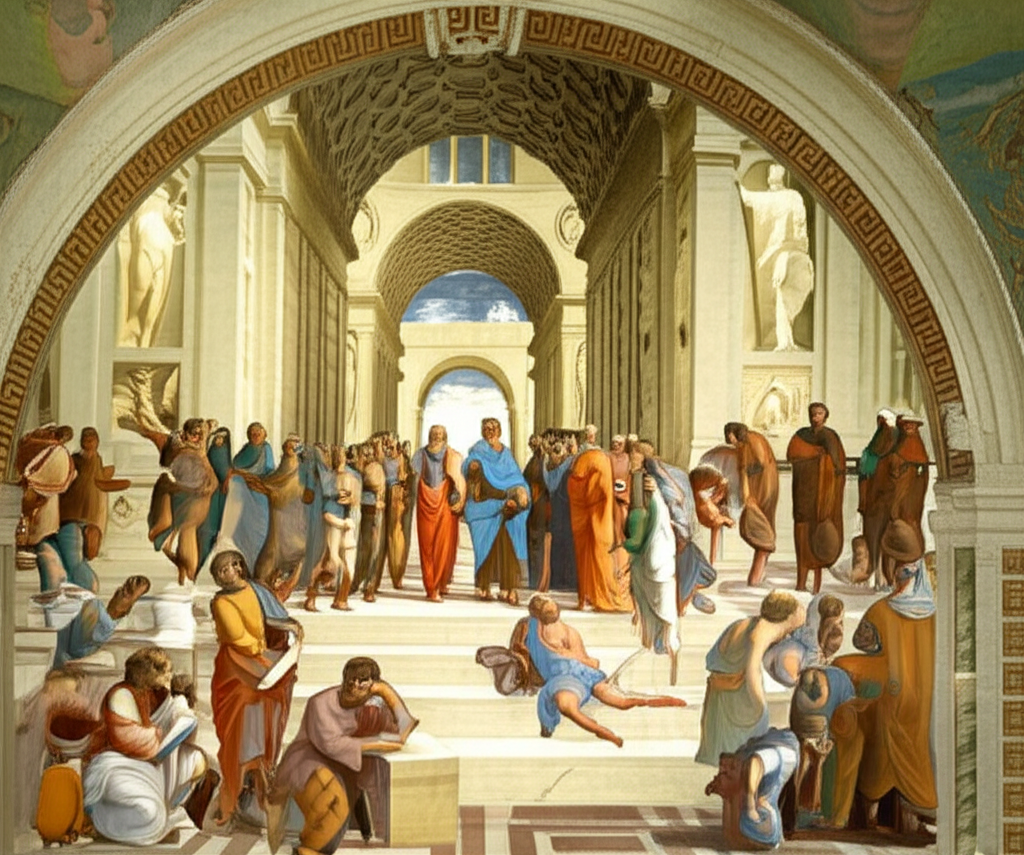
Rhetoric, Opinion, and the Public Sphere
The relationship between Rhetoric and Opinion is symbiotic and complex. Rhetoric is not only a tool for expressing existing Opinion but also a powerful force for shaping and altering it.
- Formation of Opinion: Through persuasive discourse, individuals and groups can introduce new ideas, challenge existing beliefs, and build consensus around particular viewpoints.
- Reinforcement of Opinion: Rhetoric often serves to solidify pre-existing beliefs within a community, strengthening group identity and shared values.
- Manipulation of Opinion: The ethical concerns raised by Plato remain relevant. Rhetoric can be used to mislead, to obscure truth, or to inflame passions for unethical ends. This highlights the crucial distinction between good rhetoric (aimed at truth or public good) and bad rhetoric (aimed at manipulation).
In democratic societies, the free exchange of ideas, often facilitated by robust rhetorical engagement, is essential for informed public Opinion and decision-making.
The Enduring Definition and Its Modern Relevance
While the classical Definition of Rhetoric remains foundational, its application has expanded far beyond the ancient agora or Roman senate. Today, rhetoric permeates every facet of our lives:
- Political Discourse: Speeches, debates, campaign advertisements.
- Advertising and Marketing: Persuading consumers to buy products or services.
- Legal Arguments: Lawyers presenting cases in court.
- Scientific Communication: Presenting research findings to peers and the public.
- Social Media: Crafting posts, memes, and arguments to influence online communities.
Understanding the Definition of Rhetoric empowers us to be more critical consumers of information, more effective communicators, and more engaged citizens. It encourages us to look beyond the surface of words to discern the underlying persuasive strategies at play.
Conclusion: A Powerful and Perilous Art
In essence, the Definition of Rhetoric describes the art and science of persuasion through Language. From the earliest philosophical inquiries in the Great Books of the Western World to its omnipresence in contemporary media, rhetoric remains a vital discipline. It is a powerful tool capable of revealing truth, fostering understanding, and moving hearts and minds, yet it is also fraught with the potential for manipulation and deceit. To truly grasp rhetoric is to appreciate its dual nature: an indispensable mechanism for shaping human Opinion and a constant reminder of the ethical responsibility inherent in the use of Language.
YouTube Video Suggestions:
-
📹 Related Video: ARISTOTLE ON: The Nicomachean Ethics
Video by: The School of Life
💡 Want different videos? Search YouTube for: "Aristotle Rhetoric Summary"
2. ## 📹 Related Video: PLATO ON: The Allegory of the Cave
Video by: The School of Life
💡 Want different videos? Search YouTube for: "Plato Gorgias Summary Philosophy"