

The Enduring Art of Persuasion: Unpacking the Definition of Rhetoric
Rhetoric, often misunderstood and sometimes maligned, is at its core the Definition of effective communication. Far from mere sophistry or manipulative speech, it is the art of discovering the available means of persuasion in any given situation. It is the sophisticated interplay of Language, logic, and emotion, designed to shape Opinion, foster understanding, and move an audience. This foundational concept, deeply rooted in the philosophical traditions of the Western world, remains profoundly relevant in our daily lives, from casual conversations to grand political discourse.
Unpacking the Essence: What is Rhetoric?
To truly grasp the essence of Rhetoric, we must first strip away modern misconceptions. For many, the term conjures images of empty promises or deceptive arguments. However, its philosophical lineage, particularly as illuminated by the Great Books of the Western World, reveals a far richer and more profound meaning. It is not about what one says, but how one says it, with an acute awareness of the audience, the context, and the ultimate aim.
The Aristotelian Lens: A Definitive Perspective
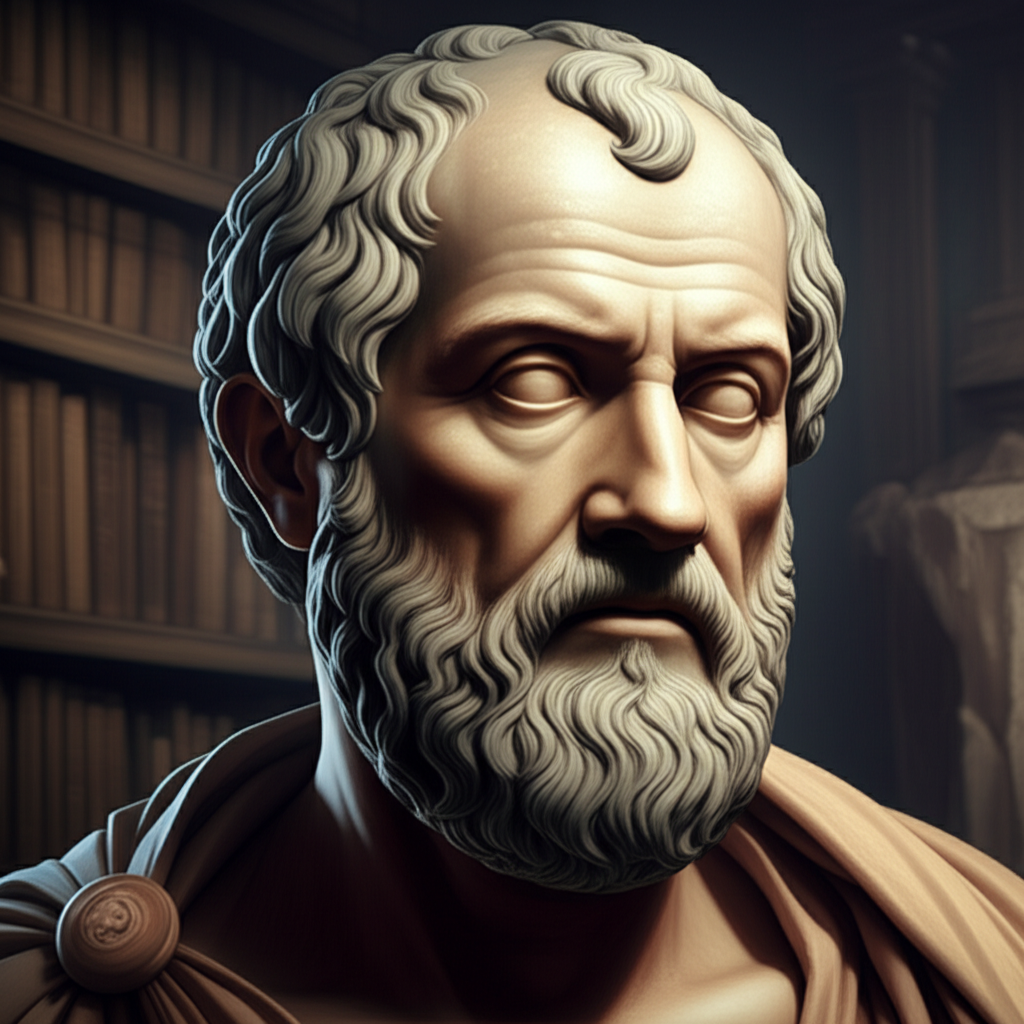
Our most enduring and comprehensive Definition of Rhetoric comes from Aristotle. In his seminal work, Rhetoric, he defines it as "the faculty of observing in any given case the available means of persuasion." This isn't just about winning an argument; it's about understanding the entire landscape of communication. Aristotle meticulously breaks down the elements that contribute to persuasive discourse, categorizing them into three primary appeals:
- Ethos: The appeal to character or credibility. How does the speaker establish trustworthiness and authority?
- Pathos: The appeal to emotion. How does the speaker evoke feelings in the audience to align them with the message?
- Logos: The appeal to logic or reason. How does the speaker use evidence, arguments, and rational thought to convince?
Beyond these, the concept of Kairos—the opportune moment or timeliness of an argument—also plays a critical role, emphasizing that the effectiveness of Rhetoric is deeply contextual.
Beyond Mere Persuasion: The Role of Language and Opinion
While persuasion is central, the Definition of Rhetoric extends further. It is the mastery of Language in all its forms – spoken, written, and even visual – to construct meaning and influence understanding. Every choice of word, every structural decision, every stylistic flourish, is a rhetorical act.
Consider the intricate relationship between Rhetoric and Opinion. It is through rhetorical engagement that societies debate, form, and shift collective beliefs. Whether in the marketplace of ideas, the courtroom, or the political arena, Language is deployed to articulate viewpoints, challenge assumptions, and ultimately, to guide the formation of public Opinion. It is the mechanism by which ideas gain traction and resonate with a broader audience.
Key Elements in Rhetorical Analysis:
| Element | Description | Focus |
|---|---|---|
| Speaker/Writer | Their credibility, character, and authority (Ethos). | Trustworthiness, expertise, good will. |
| Audience | Their beliefs, values, emotions, and existing Opinion (Pathos). | Empathy, shared experience, emotional resonance. |
| Message | The logical structure, evidence, and arguments presented (Logos). | Coherence, validity, factual support. |
| Context | The occasion, timing (Kairos), cultural norms, and medium of delivery. | Appropriateness, relevance, strategic timing. |
| Purpose | The intended outcome: to inform, to persuade, to entertain, to inspire. | Clarity of objective, desired audience response. |
The Ethical Dimension
The history of Rhetoric is also marked by an ongoing debate about its ethics. Plato, in works like Gorgias, viewed rhetoric with suspicion, seeing it as a tool for flattery and manipulation, capable of obscuring truth rather than revealing it. For Plato, true knowledge came through dialectic, a rigorous philosophical inquiry, not through the potentially deceptive arts of persuasion.
Aristotle, however, presented a more balanced view. He argued that Rhetoric itself is neutral; it is merely a tool. Like any tool, it can be used for good or ill. A skilled orator could use Rhetoric to champion justice, clarify complex issues, and uplift society, just as easily as a malicious one could use it to mislead and exploit. The ethical responsibility, therefore, lies with the practitioner.
Rhetoric in the Modern Agora
Even in our digital age, the Definition of Rhetoric remains unchanged, though its manifestations have evolved. From political speeches and advertising campaigns to social media posts and academic papers, the principles of Ethos, Pathos, and Logos continue to shape how we communicate and how Opinion is formed. Understanding Rhetoric is not just an academic exercise; it's a vital skill for critical thinking, effective expression, and navigating the vast currents of information that define contemporary life. It empowers us to discern the intent behind messages and to craft our own contributions with greater clarity and impact.
YouTube: "Aristotle Rhetoric explained"
YouTube: "What is the philosophy of rhetoric?"
📹 Related Video: What is Philosophy?
Video by: The School of Life
💡 Want different videos? Search YouTube for: "The Definition of Rhetoric philosophy"