

The Elusive Thresholds: Defining Life and Death
The concepts of life and death are fundamental to human experience, yet their precise definition remains one of philosophy's most enduring and challenging inquiries. This article explores how our understanding of these critical states has evolved through philosophical discourse, science, and our observations of nature, highlighting the profound complexities that arise when we attempt to draw definitive lines. From ancient metaphysical debates to modern biomedical dilemmas, the boundaries of existence are constantly being re-evaluated, reminding us that these aren't merely biological facts but profound philosophical questions.
An Ancient Quest: Philosophy's First Glimpses
For millennia, thinkers have grappled with what it means to be alive and when that spark extinguishes. Our journey into these definitions often begins with the foundational texts found within the Great Books of the Western World.
The Soul as the Principle of Life
Ancient Greek philosophers, particularly Aristotle, offered some of the earliest systematic attempts to define life. In his work De Anima (On the Soul), Aristotle posited that the "soul" (psyche) is the form of a natural body having life potentially within it. He identified different grades of soul, corresponding to different life functions:
- Nutritive Soul: Shared by plants, responsible for growth, nutrition, and reproduction.
- Sensitive Soul: Found in animals, encompassing sensation and locomotion, in addition to nutritive functions.
- Rational Soul: Unique to humans, enabling thought, reason, and reflection, alongside sensitive and nutritive capacities.
For Aristotle, to be alive was to possess a soul, and death was the separation of this soul from the body. This perspective deeply influenced Western thought for centuries, establishing a philosophical definition rooted in inherent animating principles rather than mere physical presence.
Plato, too, explored the nature of the soul in works like Phaedo, suggesting it was immortal and distinct from the mortal body, providing a different lens through which to view the cessation of life as the soul's departure. These early inquiries set the stage for a continuous philosophical dialogue that intertwines metaphysics with biology.
The Scientific Imperative: Defining Life and Death Through Observation
With the rise of modern science, particularly biology and medicine, the definition of life and death shifted towards observable, measurable criteria.
Characteristics of Life: A Biological Consensus
Biologists typically identify several key characteristics that collectively define a living organism. While no single trait is sufficient, their presence in concert often indicates life:
- Organization: Highly ordered structures (cells, tissues, organs).
- Metabolism: The sum of chemical processes that occur in an organism to maintain life.
- Homeostasis: Maintenance of a stable internal environment.
- Growth and Development: Increase in size and complexity over time.
- Reproduction: Ability to produce offspring.
- Response to Stimuli: Interaction with the environment.
- Adaptation: Evolution over generations.
These characteristics provide a functional definition of life, moving away from purely metaphysical notions towards empirical verification.
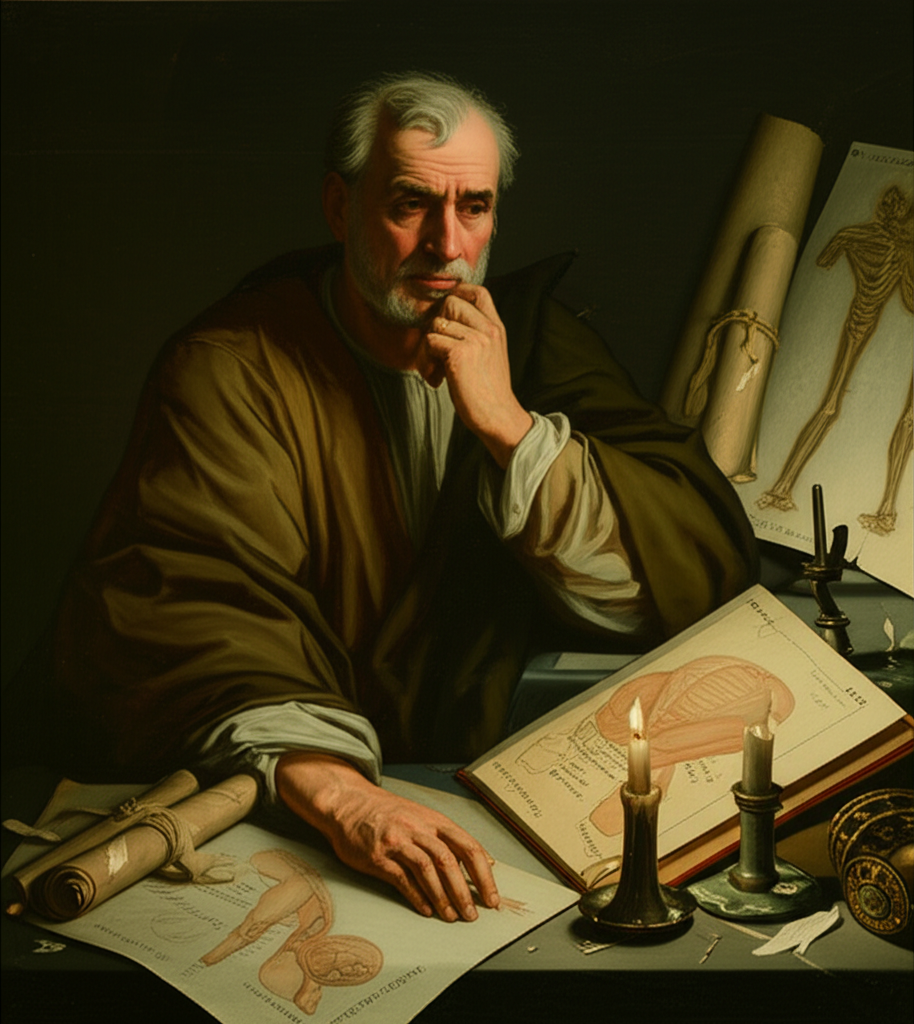
The Medical Definition of Death: Evolving Standards
Historically, death was primarily defined by the cessation of cardiopulmonary function—the stopping of the heart and lungs. However, advancements in medical technology, particularly life support systems, necessitated a more nuanced definition.
Key Medical Definitions of Death:
| Type of Death | Primary Criterion | Implications |
|---|---|---|
| Cardiopulmonary Death | Irreversible cessation of circulatory and respiratory functions | Traditional definition, still widely used in many contexts. |
| Brain Death | Irreversible cessation of all functions of the entire brain, including the brainstem | Recognizes the brain as the central integrator of life, crucial for organ donation. |
The concept of brain death, emerging in the mid-20th century, profoundly challenged previous definitions. It introduced the idea that a body could be biologically sustained by machines while the person, as understood by consciousness and integrated bodily function, was no longer alive. This shift sparked intense philosophical and ethical debates, particularly concerning personhood and the moral implications of organ transplantation.
Nature's Unfolding Tapestry: The Context of Existence
Our understanding of life and death is inextricably linked to our perception of nature. From the cyclical rhythms of ecosystems to the vast stretches of evolutionary time, nature provides the backdrop against which these concepts gain meaning.
- Life emerges from non-living matter under specific natural conditions, demonstrating an inherent drive towards organization and self-preservation.
- Death is an intrinsic and necessary part of nature's cycle, facilitating renewal, nutrient recycling, and evolutionary adaptation. It is not merely an end but a transformation within the larger natural order.
This naturalistic perspective reminds us that our definitions are attempts to categorize phenomena that are fundamentally interconnected and dynamic. The boundaries we draw are often human constructs applied to a continuous spectrum of existence.
Modern Quandaries: Challenging the Definitions
Today, rapid technological and scientific advancements continue to push the boundaries of what we consider life and death, prompting new philosophical inquiries.
- Artificial Intelligence and Synthetic Biology: Can AI achieve a form of life or consciousness? What constitutes life in a synthetic organism created in a lab? These questions force us to reconsider our biological-centric definitions.
- Prolonging Life and End-of-Life Care: Medical interventions can extend biological functions far beyond what was naturally possible, leading to complex ethical dilemmas about the quality of life, the right to die, and the definition of a meaningful existence.
- Cryopreservation and Reanimation: The theoretical possibility of suspending life and later reanimating it challenges the finality traditionally associated with death.
These contemporary issues underscore that the definition of life and death is not static. It is a living, breathing concept, constantly being refined and debated at the intersection of science, philosophy, and our deepest human values. As Chloe Fitzgerald, I find immense fascination in this ongoing dialogue, recognizing that our understanding of these ultimate thresholds shapes not only our medical practices but also our very sense of self and our place in the cosmos.
YouTube Video Suggestions:
-
📹 Related Video: What is Philosophy?
Video by: The School of Life
💡 Want different videos? Search YouTube for: ""What is Life? Erwin Schrödinger Philosophy""
2. ## 📹 Related Video: What is Philosophy?
Video by: The School of Life
💡 Want different videos? Search YouTube for: ""Brain Death and Organ Donation Philosophy""