

The Enduring Enigma: Defining Life and Death
The concepts of life and death are perhaps the most fundamental and universally experienced phenomena, yet their precise definition remains a profound challenge, straddling the realms of science, philosophy, and personal experience. This article delves into the multifaceted attempts to define these ultimate states, exploring how our understanding has evolved from ancient philosophical inquiries to modern scientific criteria, and how nature itself presents a complex, often ambiguous, canvas for these distinctions. Ultimately, we find that while science offers invaluable insights, the full definition of life and death continues to invite deep philosophical contemplation, resisting a singular, universally accepted conclusion.
The Elusive Nature of Definition
For millennia, humanity has grappled with the question: What does it truly mean to be alive, and what marks the definitive end of that state? At first glance, the answers seem intuitive. A beating heart, breath, movement – these are the hallmarks of life. Conversely, the absence of these signals death. However, as our understanding of biology and consciousness has deepened, particularly through the lens of modern science, these seemingly simple distinctions have become increasingly blurred.
From ancient philosophers like Aristotle, who pondered the psyche or soul as the animating principle of life, to contemporary bioethicists debating brain death, the quest for a definitive answer is an ongoing intellectual journey. The Great Books of the Western World are replete with such inquiries, from Plato's dialogues exploring the immortality of the soul in relation to bodily death, to later works contemplating the very essence of existence.
Scientific Perspectives: A Shifting Landscape
Science has provided us with ever more precise tools to observe and measure the biological processes associated with life. Yet, even with these advancements, a single, universally accepted scientific definition of life has proven elusive.
Criteria for Life (General Scientific Consensus):
- Homeostasis: Maintenance of a stable internal environment.
- Organization: Being composed of one or more cells.
- Metabolism: Transformation of energy.
- Growth: Increase in size and complexity.
- Adaptation: Ability to adjust to the environment.
- Response to Stimuli: Reaction to environmental changes.
- Reproduction: Ability to produce offspring.
However, consider viruses – they reproduce and adapt, but lack cellular structure and metabolism outside a host. Are they truly alive? This ambiguity highlights the difficulty.
When it comes to death, science has established clearer, though still evolving, criteria:
| Definition of Death | Description | Historical/Modern Context |
|---|---|---|
| Cardiac Death | Irreversible cessation of circulatory and respiratory functions. | Traditional, historically primary criterion. |
| Brain Death | Irreversible cessation of all functions of the entire brain, including the brainstem. | Developed in the mid-20th century, critical for organ donation. |
| Cellular Death | Death of individual cells and tissues, which can occur hours after organismal death. | Microscopic level, relevant for understanding decomposition. |
The concept of brain death, in particular, revolutionized our understanding, shifting the definition of when a person is truly gone from the traditional heart-lung cessation to the irreversible loss of brain function. This shift has profound implications for medical practice, particularly in organ transplantation, where maintaining circulation in a brain-dead body can preserve organs.
Philosophical Inquiries: Beyond the Biological
While science offers empirical criteria, philosophy delves into the deeper, more existential questions surrounding life and death. Is life merely a collection of biological functions, or does it encompass consciousness, experience, and purpose? Is death simply the cessation of these functions, or is there a transcendent aspect to our being that persists or simply ceases to be?
Philosophers throughout history, from the Stoics who embraced mortality to existentialists like Heidegger who viewed death as an integral part of life's meaning, have explored these questions. The definition of a 'person' often becomes intertwined with the definition of life, particularly when considering states like persistent vegetative states or the very beginning of human life.
- Life as Consciousness: Many philosophical traditions emphasize consciousness, self-awareness, and the capacity for experience as central to what it means to be alive in a meaningful sense.
- Death as Cessation of Being: For some, death is the absolute end of existence, a return to non-being. For others, particularly in religious and spiritual traditions, it is a transition or a continuation in another form.
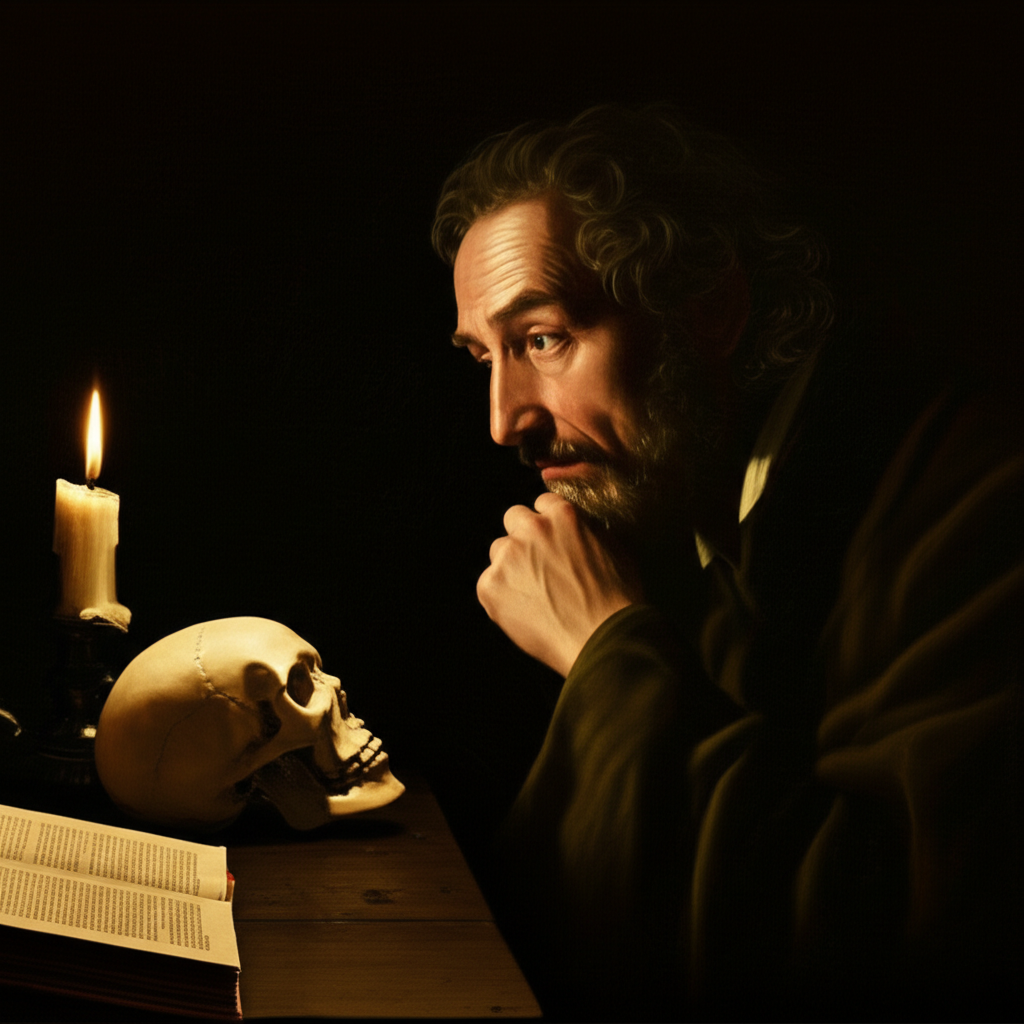
The Dance with Nature: Cycles and Endings
Nature itself provides a constant, undeniable backdrop for the concepts of life and death. From the microscopic bacteria to the towering redwood, all living things are subject to the grand cycle of birth, growth, reproduction, and eventual demise. This natural cycle is indifferent to our human struggles for definition.
The interconnectedness of ecosystems means that death is not merely an ending, but often a crucial component of new life. Decomposition enriches the soil, providing nutrients for new plants. Predators ensure the health of prey populations. In nature, life and death are not opposing forces but two sides of the same coin, constantly interacting and shaping the world around us. This perspective, often found in ancient wisdom traditions, reminds us that our individual existence is part of a much larger, ongoing process.
Conclusion: An Ongoing Dialogue
The definition of life and death remains a dynamic and complex subject, continually refined by advancements in science, challenged by ethical dilemmas, and enriched by philosophical inquiry. While science provides invaluable frameworks for understanding the biological mechanics, it is philosophy that helps us grapple with the meaning, value, and implications of these ultimate states. As we continue to push the boundaries of medical possibility and deepen our understanding of the universe, the dialogue surrounding the definition of life and death will undoubtedly persist, inviting us to reflect on our place within nature and the profound mystery of existence itself.
📹 Related Video: ARISTOTLE ON: The Nicomachean Ethics
Video by: The School of Life
💡 Want different videos? Search YouTube for: ""Philosophical Debates on the Definition of Life" and "Bioethics Brain Death Consciousness""