

The Philosophical Pursuit: Unpacking the Connection Between Wealth and Happiness
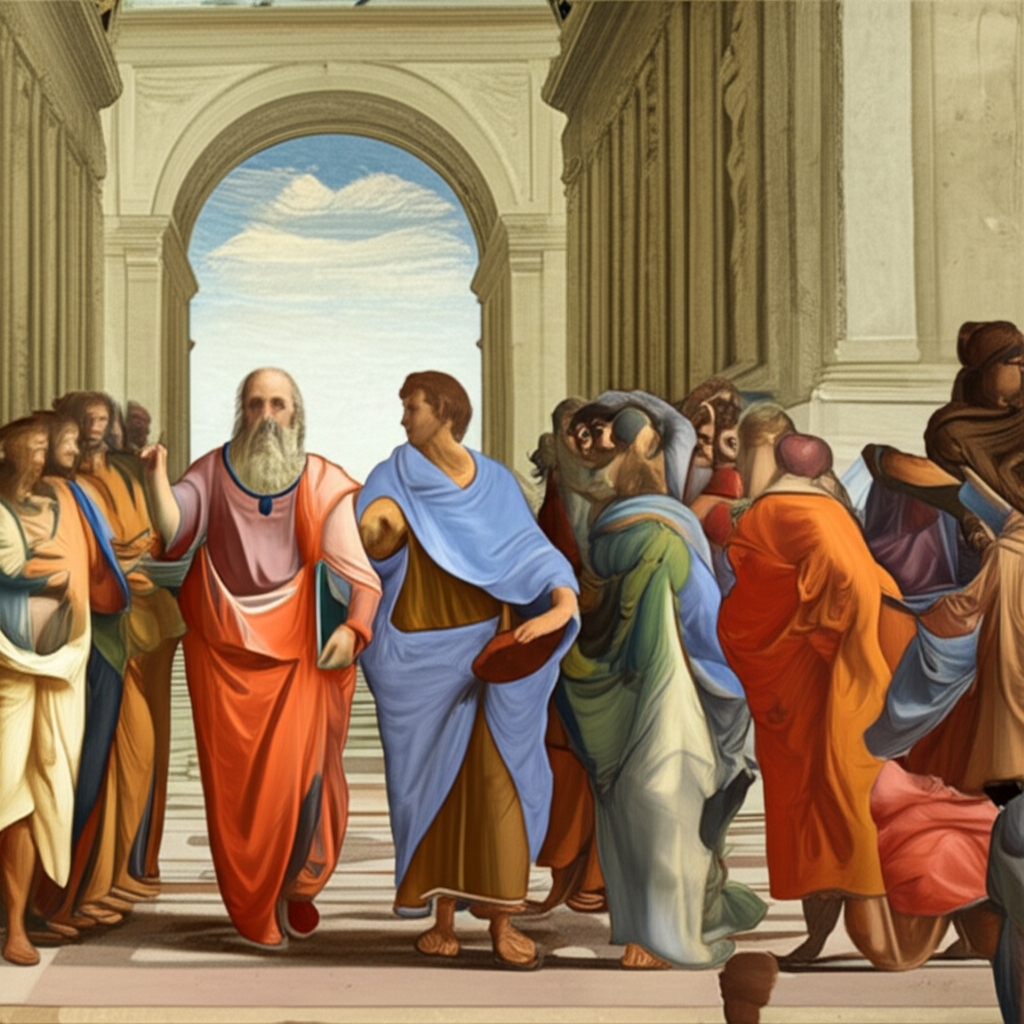
The human quest for a fulfilling life has, across millennia, often intertwined with the pursuit of material prosperity. Is wealth merely a means to an end, or does it hold the key to genuine happiness? Drawing from the profound insights of the Great Books of the Western World, particularly the wisdom of Plato and Aristotle, we discover that while wealth can certainly facilitate certain aspects of a good life, it is rarely, if ever, the sole determinant of true human flourishing. Instead, the connection is complex, often fraught with the perils of unchecked desire and the ethical considerations of good and evil.
Ancient Perspectives on Prosperity and Eudaimonia
From the classical philosophers, we learn that happiness – or eudaimonia, often translated as flourishing or living well – is not a fleeting emotion but a state of being achieved through virtuous activity. For Aristotle, in his Nicomachean Ethics, external goods, including a moderate degree of wealth, are necessary conditions for a virtuous life, but they are not virtue itself, nor are they the ultimate good.
- Aristotle's View:
- Wealth is an "instrumental good" – useful for achieving other goods, like leisure for philosophical contemplation or the means to perform acts of generosity.
- Eudaimonia is achieved through living virtuously and exercising practical wisdom.
- Excessive poverty or excessive wealth can both hinder the pursuit of virtue.
- Plato's View:
- In The Republic, Plato emphasizes the importance of justice, both in the individual soul and in the state.
- Unchecked desire for wealth can lead to injustice and a disordered soul, preventing true happiness.
- The philosopher-king, free from the allure of material possessions, is best suited to govern because their focus is on the Good.
The Dual Nature of Wealth: Facilitator or Fetter?
Wealth presents a paradox. It can be a powerful tool for liberation, providing the resources to pursue education, art, health, and contribute positively to society. Yet, it can also become a golden cage, trapping individuals in a cycle of endless acquisition and superficiality.
Table: Wealth's Potential Contributions to Happiness
| Aspect of Happiness | How Wealth Can Contribute (Positive) | How Wealth Can Detract (Negative) |
|---|---|---|
| Security | Provides basic needs, peace of mind | Can create anxiety over loss, envy |
| Leisure | Allows time for personal growth, arts | Can lead to idleness, boredom, vice |
| Generosity | Enables charitable acts, community support | Can foster greed, selfishness, exploitation |
| Health | Access to good nutrition, medical care | Can lead to overindulgence, neglect of simple pleasures |
| Freedom | Autonomy to choose one's path | Can create dependencies, superficial relationships |
The Insatiable Grip of Desire
One of the most profound philosophical insights into the relationship between wealth and happiness concerns the nature of desire. Plato, through Socrates, often highlighted how the insatiable pursuit of material possessions is a fundamental obstacle to a balanced and happy life. If happiness is continually deferred until the next acquisition, it remains perpetually out of reach.
- The Hedonic Treadmill: Ancient philosophers implicitly understood what modern psychology calls the "hedonic treadmill" – the tendency for humans to quickly return to a relatively stable level of happiness despite major positive or negative events. More wealth often leads to an adjustment in expectations, creating new desires rather than lasting contentment.
- The Pursuit of More: The individual whose soul is ruled by the appetite for wealth becomes a slave to their own cravings, forever chasing the next object of desire. This relentless pursuit diverts attention from higher goods like virtue, knowledge, and genuine human connection.
Good and Evil in the Accumulation and Use of Wealth
The ethical dimension is crucial. The Great Books do not condemn wealth itself, but rather the manner of its acquisition and its ultimate purpose. How one gains wealth and what one does with it are central to its moral implications.
- Just vs. Unjust Acquisition: Is the wealth acquired through honest labor, fair exchange, and without exploiting others, or through deceit, oppression, or usury? Plato's Republic meticulously dissects the concept of justice, demonstrating how an unjust society, often driven by the unchecked desire for wealth and power, ultimately harms its citizens.
- Benevolent vs. Maleficent Use: Does wealth serve the common good, foster justice, and support the flourishing of others, or does it fuel extravagance, perpetuate injustice, and widen social divides? The truly virtuous person, as Aristotle would argue, uses their resources to act generously and support the community, understanding that their individual happiness is intertwined with the well-being of the polis.
- The Corrupting Influence: History and philosophy are replete with examples of how immense wealth, when divorced from wisdom and virtue, can corrupt individuals and institutions, leading to moral decay and societal breakdown. The pursuit of wealth as the highest good inevitably leads to the prioritization of self-interest over communal welfare, blurring the lines between good and evil.
Conclusion: A Balanced Perspective
The Great Books of the Western World offer a consistent message: the connection between wealth and happiness is not direct causation. Wealth is an instrument, a means, not an end in itself. True happiness or eudaimonia arises from the cultivation of virtue, the pursuit of wisdom, and the living of a just life, where desire is tempered by reason, and the distinction between good and evil guides our actions. While a certain degree of material security can free us to pursue these higher goods, an obsessive pursuit of wealth for its own sake, driven by insatiable desire, inevitably leads away from genuine flourishing and towards a hollow existence. The wise individual understands that the richest life is not measured by possessions, but by the richness of character and purpose.
YouTube Video Suggestions:
-
📹 Related Video: PLATO ON: The Allegory of the Cave
Video by: The School of Life
💡 Want different videos? Search YouTube for: "Plato's Republic Wealth Justice Happiness"
2. ## 📹 Related Video: ARISTOTLE ON: The Nicomachean Ethics
Video by: The School of Life
💡 Want different videos? Search YouTube for: "Aristotle Nicomachean Ethics Eudaimonia Virtue"