

The Indelible Connection: How Desire Shapes Our Sins
Let's be clear from the outset: desire is not inherently a vice. It is, in fact, a fundamental engine of human existence, driving us towards knowledge, love, beauty, and achievement. Yet, it is also the very crucible in which sin is often forged. The profound connection between our deepest longings and our moral failings is a cornerstone of philosophical inquiry, explored by thinkers from Plato to Augustine to Kant. This article delves into how our will mediates this intricate relationship, determining whether desire becomes a path to fulfillment or a descent into transgression.
The Primal Urge: Understanding the Nature of Desire
At its core, desire is an inclination, an appetite, a yearning for something perceived as good or pleasurable. From the simplest hunger for food to the most complex yearning for truth, desire propels us. Ancient philosophers, particularly Aristotle, recognized that humans are naturally drawn towards what they perceive as good, and our actions are often an attempt to satisfy these inherent desires.
However, the nature of desire is complex and multifaceted:
- Natural Desires: These are essential for survival and well-being (e.g., food, shelter, companionship).
- Acquired Desires: These are shaped by culture, experience, and personal ambition (e.g., wealth, fame, specific artistic pursuits).
- Rational Desires: Those guided by reason towards genuine good.
- Irrational Desires: Those that are excessive, misdirected, or conflict with reason.
It is in the realm of irrational desires, or even rational desires pursued to an irrational degree, that the shadow of sin begins to loom. When our longing for pleasure overrides our reason, or our hunger for power eclipses our sense of justice, the stage is set for moral error.
The Crucible of Choice: The Indispensable Role of the Will
Here enters the will – that magnificent, often perplexing, faculty of choice. The will is not merely desire itself, but the power to assent to, or resist, our desires. As St. Augustine profoundly explored in his Confessions and City of God, the will is central to our moral agency. For Augustine, sin is not merely an act but a perversion of the will, a turning away from the higher good (God) towards a lesser good (often driven by disordered desire).
Consider for a moment the internal struggle: we desire immediate gratification, yet our will can choose to defer it for a greater, long-term good. We desire to lash out in anger, but our will can choose restraint. This internal battlefield is where the connection between desire and sin is most keenly felt.
The Will's Role in Guiding Desire:
- Discernment: The will, informed by reason, evaluates the object of desire – is it truly good? Is it appropriate?
- Assent/Dissent: The will chooses whether to pursue the desire or to resist it.
- Regulation: Even when assenting, the will can regulate the intensity and manner of pursuing the desire.
- Reorientation: For those seeking moral improvement, the will can actively work to reorient disordered desires towards virtuous ends.
A weak or corrupted will is unable to properly discern, assent, or regulate, leaving us vulnerable to the tyranny of our most insistent desires.
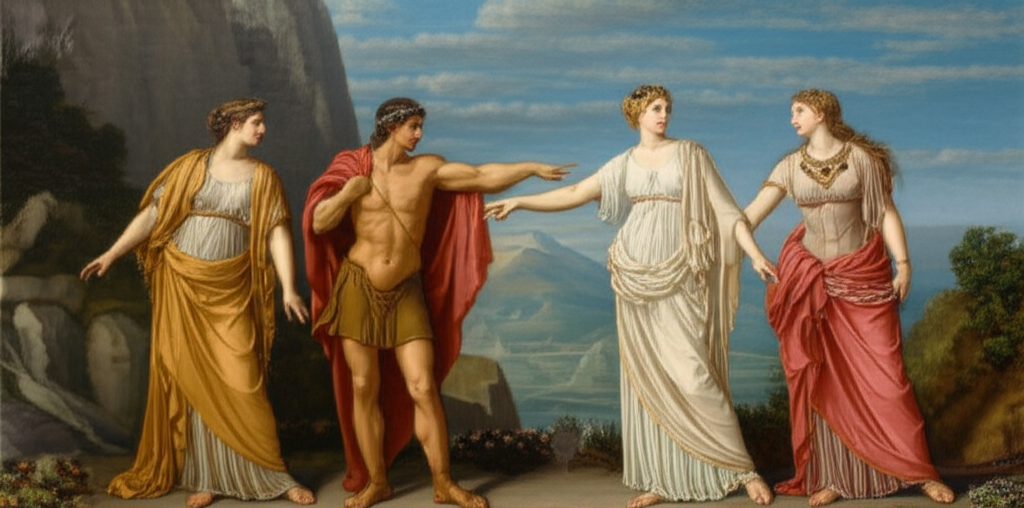
The Inevitable Connection: When Desire Becomes Sin
The connection between desire and sin is not that desire is sin, but rather that sin is often the outcome of a disordered or misdirected desire, unmastered by the will.
- Lust: The desire for physical pleasure, when untempered by reason and commitment, becomes lust.
- Greed: The desire for possessions or security, when unchecked, transforms into an insatiable avarice.
- Pride: The desire for recognition or excellence, when inflated beyond measure, becomes hubris.
- Envy: The desire for what another possesses, when coupled with resentment, leads to envy.
In each case, a natural human longing becomes distorted, excessive, or misdirected, and the will either fails to intervene or actively chooses the disordered path. Sin, then, is the act or state of being that results from this failure to properly govern our desires, ultimately turning us away from what is truly good and towards a lesser, often destructive, alternative.
As Daniel Fletcher, I'd argue that understanding this connection is not about condemning desire, but about mastering it. It's about recognizing the power within us to choose, to shape our character, and to direct our profound human longings towards flourishing rather than downfall. The journey of self-mastery begins with acknowledging the intricate dance between our desires and the choices of our will.
YouTube Video Suggestions:
-
📹 Related Video: KANT ON: What is Enlightenment?
Video by: The School of Life
💡 Want different videos? Search YouTube for: "Augustine on Will and Sin"
-
📹 Related Video: ARISTOTLE ON: The Nicomachean Ethics
Video by: The School of Life
💡 Want different videos? Search YouTube for: "Aristotle Ethics Desire Virtue"