

The Enduring Enigma of Sin and Moral Judgment: A Philosophical Inquiry
The concepts of sin and moral judgment have permeated human consciousness and culture since time immemorial, shaping our understanding of right and wrong, guiding our actions, and defining our relationship with the divine, society, and ourselves. Far from being mere theological constructs, they represent fundamental philosophical challenges that compel us to examine the very essence of human nature, free will, and the pursuit of a meaningful existence. This pillar page delves into the multifaceted nature of sin and the mechanisms of moral judgment, tracing their evolution through the annals of philosophy and Religion, and exploring their profound implications for our contemporary world.
Unpacking the Core: Sin, Judgment, and the Dichotomy of Good and Evil
At its heart, the discussion of sin and moral judgment is an attempt to grapple with the perennial question of Good and Evil. How do we define actions that transgress moral boundaries? What are the mechanisms by which we, or a higher power, assess such transgressions?
Defining Sin: A Multifaceted Concept
The term "sin" is loaded with historical, religious, and philosophical connotations. While often associated primarily with Religion, its underlying principles touch upon universal human experiences of wrongdoing and culpability.
- Religious Perspective: In many Abrahamic traditions, sin is understood as a transgression against divine law or a separation from God. It can range from a specific act (e.g., the Ten Commandments in the Bible) to an inherent state (e.g., original sin in Christianity, as explored by Augustine in his Confessions). The consequences often involve divine Judgment and a need for atonement or repentance.
- Philosophical Perspective: Beyond religious dogma, philosophers have approached sin as a deviation from reason, virtue, or the ideal human state.
- Ancient Greek Thought: While not using the term "sin" in the same way, thinkers like Plato in The Republic and Aristotle in Nicomachean Ethics explored concepts of vice, moral error (hamartia), and actions contrary to human flourishing (eudaimonia). For them, wrongdoing often stemmed from ignorance or a lack of virtue, hindering the attainment of the Good.
- Secular Ethics: In modern secular ethics, the concept shifts from "sin" to "moral wrong" or "unethical behavior," focusing on harm, injustice, or a failure to uphold universal moral principles, such as Kant's categorical imperative.
Moral Judgment: The Tribunal of Conscience and Society
Moral judgment refers to the process by which we evaluate actions, intentions, and character as morally good or bad, right or wrong. This process can be internal (our conscience) or external (societal norms, legal systems, divine decree).
| Aspect of Judgment | Description | Key Questions Addressed |
|---|---|---|
| Internal Judgment | The individual's self-assessment of their actions against their own moral compass. This is the realm of conscience, guilt, and self-reproach. | Did I do the right thing? Am I a good person? |
| External Judgment | Evaluation of an individual's actions by others, society, or a perceived higher power. This can manifest as social ostracism, legal consequences, or divine retribution. | Is this action permissible? Does this person deserve punishment or praise? |
| Divine Judgment | In religious contexts, the ultimate assessment of human souls and actions by God or gods, often determining eternal fate. | Will I be saved or condemned? What is God's will? |
The interplay between these forms of judgment profoundly influences our moral landscape and our understanding of accountability.
Philosophical Lineages: Tracing Sin and Judgment Through the Great Books
The "Great Books of the Western World" offer an unparalleled journey through the evolution of these concepts, revealing how different eras and cultures have grappled with the problem of Good and Evil.
Ancient Wisdom: Virtue, Vice, and the Polis
- Plato (e.g., The Republic): For Plato, wrongdoing stems from ignorance or an imbalance within the soul. A just individual, like a just state, is one where reason rules the spirited and appetitive parts. Actions contrary to justice and the Good are a form of spiritual illness, hindering true happiness.
- Aristotle (e.g., Nicomachean Ethics): Aristotle focused on character and virtue. Sin, or vice, is a deviation from the "golden mean" – the appropriate balance between extremes. Moral judgment, in this context, evaluates whether an action contributes to or detracts from eudaimonia (human flourishing) and whether it reflects a virtuous character.
The Abrahamic Paradigm: Law, Transgression, and Redemption
The Judeo-Christian-Islamic traditions introduce a robust framework of divine law, explicit transgression, and the possibility of redemption.
- The Bible (Old and New Testaments): From the narrative of Adam and Eve's original sin to the Mosaic Law and the teachings of Jesus, the Bible provides foundational concepts. Sin is a rebellion against God's will, leading to separation. Judgment is both a consequence of sin and an act of divine justice. The concept of grace and forgiveness offers a path to reconciliation.
- St. Augustine (e.g., Confessions, City of God): Augustine profoundly shaped Western thought on sin, particularly with his doctrines of original sin and the role of free will. He grappled with the problem of evil – how a benevolent God could permit sin – concluding that evil is a privation of Good, resulting from human misuse of free will. Divine Judgment is thus a just response to human choice.
- St. Thomas Aquinas (e.g., Summa Theologica): Aquinas integrated Aristotelian philosophy with Christian theology. He defined sin as a "disordered act" – a deviation from right reason and eternal law. He meticulously categorized sins and discussed their moral culpability, emphasizing the role of intention and knowledge in Judgment.
The Enlightenment and Beyond: Reason, Duty, and the Will
With the Enlightenment, philosophical inquiry shifted towards reason and human autonomy, re-evaluating the basis of moral Judgment without necessarily abandoning the concept of moral wrong.
- Immanuel Kant (e.g., Groundwork of the Metaphysics of Morals): Kant's ethical system is based on duty and the categorical imperative. An action is morally right if it can be universalized without contradiction and treats humanity as an end in itself, not merely a means. For Kant, moral wrong (akin to sin) is a failure of the will to act according to rational moral law, a betrayal of one's own autonomy. Judgment here is an assessment of the maxim behind an action.
- Friedrich Nietzsche (e.g., On the Genealogy of Morality): Nietzsche radically challenged traditional notions of Good and Evil, arguing that they were historical constructs, particularly "slave morality" which inverted the values of the powerful. He critiqued the concept of "sin" as a tool for control and a source of internalized guilt, advocating for a revaluation of all values and the creation of one's own moral code.
The Inner Landscape: Guilt, Conscience, and the Path to Atonement
Beyond external pronouncements, the concepts of sin and moral judgment deeply impact our inner lives.
The Voice Within: Conscience and Guilt
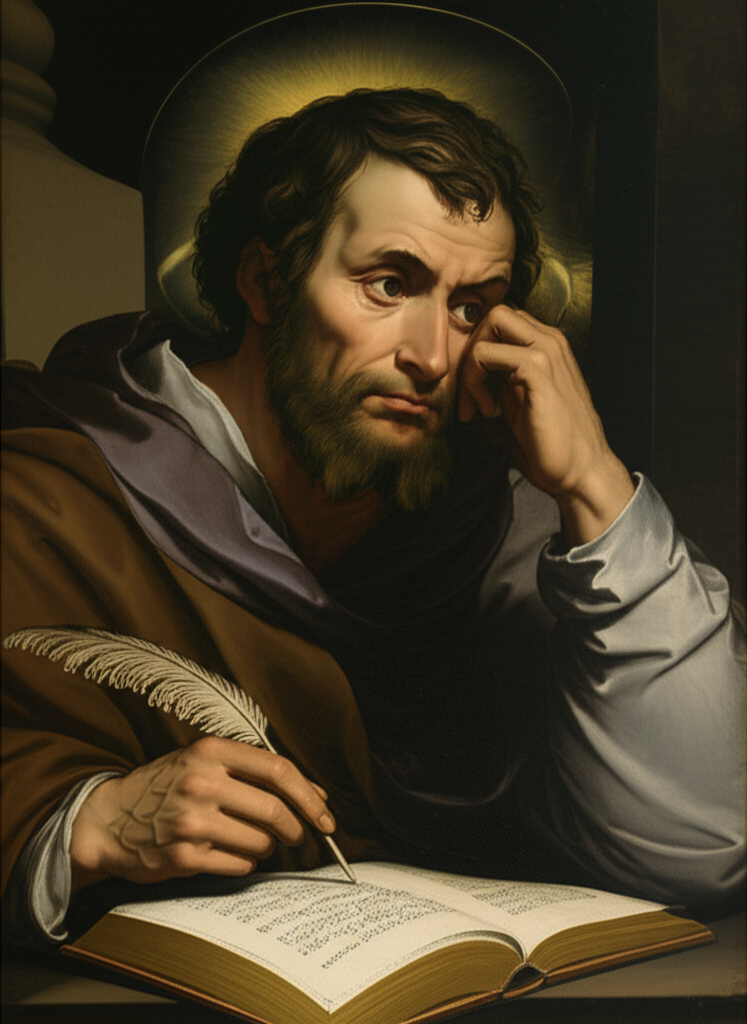
- Conscience: Often described as an inner moral compass, conscience is the faculty that allows us to discern right from wrong and feel moral obligation. It's the internal tribunal that renders Judgment on our actions and intentions. Philosophers from Plato to Butler have explored its nature and authority.
- Guilt: The emotional distress arising from the belief that one has committed a wrong or failed in a moral duty. Guilt serves as a powerful psychological mechanism, often prompting reflection, repentance, and a desire for atonement. While often associated with sin, guilt can also arise from secular moral transgressions.
Atonement and Redemption: Seeking Reconciliation
The desire to overcome the consequences of sin and moral wrong is a universal human impulse, manifesting in various forms of atonement and redemption.
- Religious Atonement: In many Religions, atonement involves making amends for sin, often through rituals, sacrifices, prayer, or acts of penance. The goal is to restore one's relationship with the divine and achieve forgiveness.
- Secular Redemption: In a secular context, redemption might involve making amends to those harmed, undergoing personal transformation, contributing positively to society, or accepting responsibility and living with integrity. It is a process of moral repair and self-forgiveness.
Modern Echoes: Psychology, Society, and Ethical Relativism
In the modern era, the discussion of sin and moral judgment continues to evolve, incorporating insights from psychology, sociology, and confronting the challenges of ethical relativism.
- Psychological Perspectives: Psychology offers insights into the origins of moral Judgment, guilt, and conscience. Freud explored the superego as an internalized moral authority. Cognitive developmental theorists like Kohlberg charted stages of moral reasoning, showing how individuals develop increasingly complex ethical frameworks.
- Sociological Impacts: Society plays a crucial role in shaping our understanding of sin and moral norms. Laws, cultural practices, and social sanctions reinforce or challenge specific behaviors. What is considered a "sin" in one culture or era might be acceptable in another, raising questions about the universality of moral Judgment.
- Relativism vs. Absolutism: A persistent modern debate concerns whether moral truths are absolute and universally applicable (moral absolutism) or contingent on culture, context, or individual perspective (moral relativism). This debate profoundly impacts how we approach Judgment and the definition of Good and Evil. If all morality is relative, can there truly be "sin" in an objective sense? Or does the concept retain its power as a marker of deep societal or personal transgression?
📹 Related Video: PLATO ON: The Allegory of the Cave
Video by: The School of Life
💡 Want different videos? Search YouTube for: ""Plato's Republic: Justice and the Soul Explained" and "Kant's Categorical Imperative: Crash Course Philosophy""
Conclusion: The Unfolding Legacy of Moral Inquiry
The concept of sin and the practice of moral judgment are not relics of a bygone era but continue to be vital components of human experience. From the ancient Greek pursuit of virtue to the Abrahamic understanding of divine law, and from Kant's emphasis on rational duty to Nietzsche's radical critique, philosophers have continuously wrestled with the nature of Good and Evil, the origins of wrongdoing, and the mechanisms by which we evaluate ourselves and others.
As we navigate an increasingly complex and interconnected world, understanding these foundational concepts remains crucial. They challenge us to reflect on our own moral compass, to engage critically with societal norms, and to consider the profound implications of our actions for ourselves, our communities, and the broader human project. The inquiry into sin and moral judgment is, ultimately, an ongoing journey into what it means to be truly human.