

The Unfolding Tapestry: Navigating the Citizen's Relationship to the State
Summary: The relationship between the citizen and the state is one of philosophy's most enduring and complex inquiries, shaping societies from ancient polis to modern democracies. This article delves into the historical and philosophical underpinnings of this dynamic, exploring the origins of governmental authority, the nature of law, the intricate balance of rights and duty, and the moral obligations that bind individuals to the collective. Drawing from the wellspring of the Great Books of the Western World, we examine how thinkers have grappled with the fundamental questions of belonging, governance, and the pursuit of a just society.
Introduction: A Perennial Inquiry
From the moment humans organized beyond familial units, the question of how individuals relate to the governing structure — the state — became paramount. It is a relationship fraught with tension, rich with potential, and perpetually under negotiation. Are we merely subjects, bound by the dictates of power, or active participants, shaping the very fabric of our collective existence? This fundamental query has been the crucible for countless philosophical debates, driving the evolution of political thought and the very definition of what it means to be a citizen.
The Genesis of Governance: Why the State?
Why do we consent to be governed? The answers offered throughout history vary, yet all point to a fundamental human need for order, security, and the pursuit of a common good.
- Natural Association: Aristotle, in his Politics, famously posited that "man is by nature a political animal." For him, the state (the polis) is a natural development, an outgrowth of human social instincts, necessary for achieving the highest form of human flourishing – the good life. The citizen, in this view, finds their truest potential within the communal life of the state.
- Social Contract: Later thinkers, notably those exploring the concept of the social contract (Hobbes, Locke, Rousseau), argued that the state arises from a voluntary agreement among individuals. Fleeing a "state of nature" that could be "solitary, poor, nasty, brutish, and short" (Hobbes, Leviathan), individuals surrender certain freedoms in exchange for protection, order, and the benefits of collective living. Here, the citizen grants legitimacy to the state through their consent.
The Citizen's Call: Rights, Responsibilities, and the Pursuit of the Good
What does it mean to be a citizen? Beyond mere residency, it implies a complex interplay of rights and responsibilities. The ideal citizen is not passive but engaged, contributing to the health and direction of the state.
Key Aspects of Citizenship:
- Participation: From voting to public discourse, active engagement is crucial. Plato's Republic envisions a state where each citizen fulfills a specific role, contributing to the overall harmony and justice, though his ideal citizen might be more rigidly defined than modern notions.
- Rights and Liberties: Modern thought emphasizes the inherent rights of the individual against potential overreach by the state. John Locke's Two Treatises of Government articulated natural rights to life, liberty, and property, forming the bedrock of liberal democratic thought.
- Virtue: For classical philosophers, the virtuous citizen was essential for a virtuous state. Aristotle linked individual virtue directly to the well-being of the polis, arguing that good citizens make for a good state.
The Guiding Hand: Law as the Fabric of Society
At the heart of the citizen's relationship to the state lies law. Law is not merely a set of rules; it is the embodiment of the state's will, the codification of societal values, and the framework within which justice is sought.
- Source of Authority: Whether derived from divine command, natural reason, or legislative consensus, law provides the structure for social interaction. It defines permissible actions, outlines consequences, and protects rights.
- Maintaining Order: Without law, the social contract would crumble, leading to chaos. Law ensures predictability and stability, allowing citizens to pursue their lives with a reasonable expectation of order.
- Expression of Justice: Ideally, law serves as an instrument of justice, ensuring fairness and equity for all citizens. Debates over unjust law—and the citizen's duty to obey or resist it—are central to political philosophy, as exemplified by Socrates' choice in Plato's Crito.
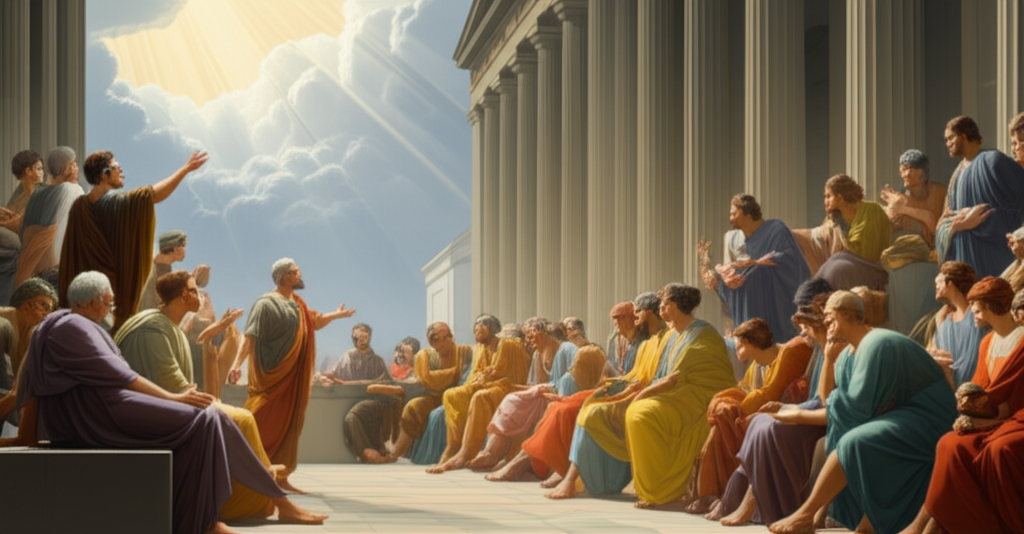
The Weight of Obligation: Unpacking the Citizen's Duty
If the state provides order and protection, what then is the citizen's duty? This question has profound ethical and practical implications.
Forms of Citizen Duty:
| Type of Duty | Description | Philosophical Context not much is
📹 Related Video: What is Philosophy?
Video by: The School of Life
💡 Want different videos? Search YouTube for: "The Citizen's Relationship to the State philosophy"