

The Art of Poetry and Emotion: A Philosophical Inquiry
The human experience is a tapestry woven with threads of thought and feeling, and few forms of expression capture this intricate interplay as profoundly as Poetry. More than mere words arranged aesthetically, poetry stands as a singular Art form, a crucible where intellect and Emotion converge to forge meaning and reveal Beauty. This pillar page delves into the philosophical underpinnings of poetry, exploring its unique capacity to not only articulate our deepest feelings but also to shape our understanding of ourselves and the world around us. We will journey through the historical and conceptual landscape of poetic expression, examining how it functions as both a mirror and a lens for the human soul.
Poetry: An Ancient Art, A Timeless Pursuit of Beauty
From the earliest epic chants to the most contemporary free verse, Poetry has always been recognized as a fundamental human Art. It is not merely a decorative embellishment of language but a deliberate craft, a disciplined act of creation that transcends the mundane. Philosophers throughout history, from Plato to Aristotle, have grappled with the essence of this art. Is it imitation, a mimesis of reality, as Aristotle posited in his Poetics? Or is it, as Plato sometimes feared, a powerful, even dangerous, evocation of passions that might lead us astray from rational truth?
Regardless of the specific philosophical stance, the consensus remains: poetry is a unique mode of knowing and experiencing. It employs rhythm, meter, imagery, and metaphor not just for their aesthetic appeal, but as tools to distill complex ideas and profound Emotion into concentrated forms. The pursuit of Beauty in poetry is not superficial; it is an attempt to capture an elusive truth, to give form to the formless, and to articulate the ineffable.
The Craft of Poetic Creation
The creation of Poetry involves a meticulous selection and arrangement of words, much like a sculptor carves marble or a painter blends colors. This deliberate process transforms ordinary language into something extraordinary.
Elements of Poetic Artistry:
- Imagery: The use of vivid descriptive language to create mental pictures and sensory experiences.
- Metaphor and Simile: Figures of speech that draw powerful comparisons, illuminating hidden connections.
- Rhythm and Meter: The musicality of language, which contributes to the emotional impact and memorability.
- Sound Devices: Alliteration, assonance, consonance, and onomatopoeia, which enhance the sensory richness.
- Symbolism: The use of objects or ideas to represent deeper, often abstract, concepts.
Through these techniques, the poet constructs a world within words, inviting the reader to engage with its logic and its feeling.
The Wellspring of Emotion in Poetic Expression
At the very heart of Poetry lies its profound connection to Emotion. Poetry is not just about describing emotions; it is about evoking them, exploring them, and often, transmuting them. It provides a unique space where the raw, often chaotic, currents of human feeling can be ordered, understood, and shared.
Consider the lament of a tragic hero, the jubilant ode to nature, or the quiet contemplation of loss. In each instance, the poet taps into a universal human experience, giving voice to feelings that might otherwise remain unspoken or unacknowledged. This process is deeply cathartic, not only for the poet but for the reader. Aristotle, in his discussion of tragedy, highlighted catharsis—the purging of pity and fear—as a primary function of dramatic Art. This principle extends powerfully to poetry, where the structured expression of intense Emotion allows for an intellectual and emotional release.
Dimensions of Poetic Emotion
The range of Emotion expressed and elicited by Poetry is vast and multifaceted.
| Emotional Dimension | Description | Example Poetic Context |
|---|---|---|
| Expression | The poet's articulation of their personal feelings, observations, or reactions to the world, often revealing profound vulnerability or insight. | A lyric poem detailing personal grief, love, or wonder. |
| Evocation | The power of the poem to stir specific feelings within the reader, creating a shared emotional experience that transcends individual circumstances. | A war poem evoking empathy and horror, or a pastoral poem inspiring peace and awe. |
| Exploration | Poetry's capacity to delve into the complexities of an emotion, dissecting its nuances, contradictions, and origins, often leading to deeper understanding. | A philosophical poem examining the nature of joy, the paradoxes of desire, or the existential dread of mortality. |
| Transmutation | The process by which raw, often chaotic, emotion is transformed through the poetic form into something ordered, beautiful, and meaningful, offering solace or new perspective. | Turning deep sorrow into a poignant elegy, or intense anger into a powerful protest anthem. |
Through these dimensions, Poetry becomes a vital tool for emotional intelligence, allowing us to navigate the labyrinth of human feeling with greater clarity and compassion.
The Interplay of Beauty and Truth in Poetic Art
The pursuit of Beauty in Art, and particularly in Poetry, is often inextricably linked to the unveiling of truth. This is not necessarily a factual, empirical truth, but rather a deeper, more resonant philosophical or human truth. When a poem is truly beautiful, it often feels right, it resonates with an inner understanding, illuminating aspects of existence that prose might struggle to articulate.
Plato, in his Symposium, speaks of the ascent to the Form of Beauty itself, suggesting that earthly beauties are but shadows of a higher, perfect form. While poets might not always deal with abstract Forms, their craft often strives to capture an essence, a universal quality within the particular. A beautifully crafted poem about a single rose can speak volumes about ephemeral life, the passage of time, or the nature of perfection. It is through the aesthetic experience, the encounter with Beauty, that we are often led to profound insights about the human condition, the natural world, and our place within it.
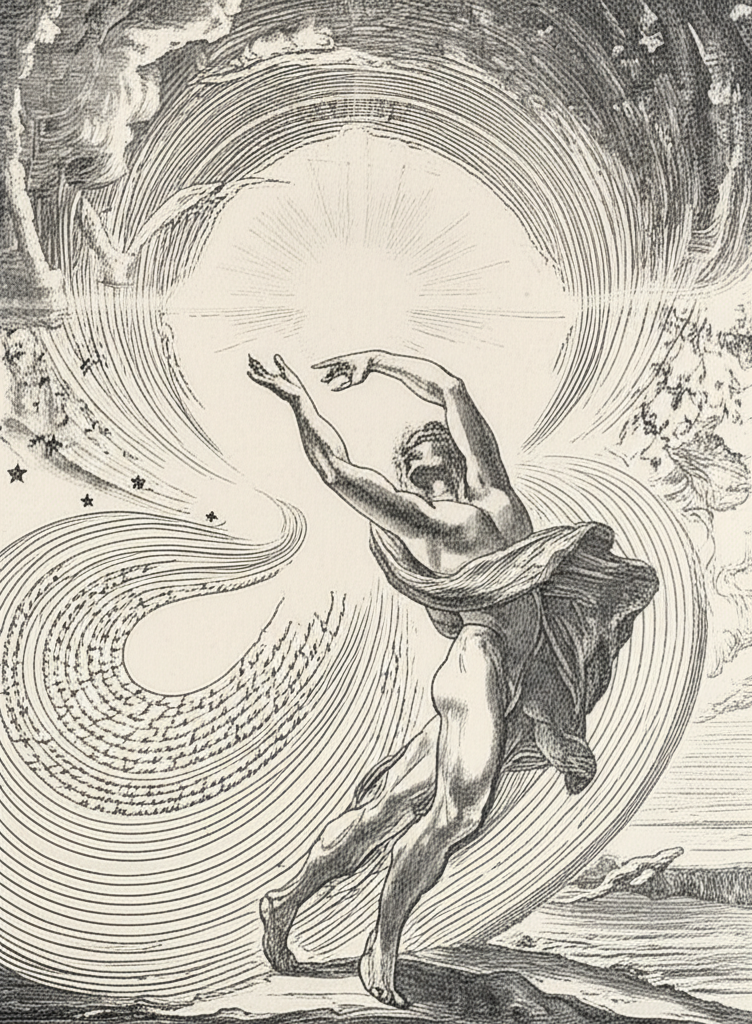
This connection between Beauty and truth is perhaps why Poetry endures. It offers not just escape, but a form of engagement that enriches our understanding, allowing us to perceive the world with renewed sensitivity and depth.
The Poet, the Reader, and the Shared Experience
The Art of Poetry is not a solitary endeavor, even if its creation often is. It forms a powerful bridge between the poet and the reader, facilitating a shared experience of Emotion and insight. The poet acts as a conduit, translating the inchoate into the articulate, the personal into the universal. The reader, in turn, is an active participant, bringing their own experiences and interpretations to the text, completing the circuit of meaning.
This reciprocal relationship underscores the communal value of Art. A single poem, read by countless individuals across generations, can evoke similar sentiments of wonder, sorrow, or defiance, creating an invisible thread that connects humanity through shared Emotion. It is in this shared space that poetry truly thrives, continually reinterpreted and rediscovered, its Beauty and power undiminished by time.
Philosophical Perspectives on Poetic Emotion
The philosophical discourse surrounding Poetry and Emotion is as old as philosophy itself.
- Plato: Often viewed with suspicion towards poets in his ideal republic, Plato worried that their ability to stir Emotion might undermine rational thought and lead citizens astray. He saw poetry as an imitation, twice removed from reality, and potentially deceptive. Yet, even Plato acknowledged the power and divine inspiration of poetic utterance, particularly in works like Homer's epics.
- Aristotle: A more sympathetic critic, Aristotle defended poetry in his Poetics. He argued that imitation (mimesis) is natural to humans and that we learn and derive pleasure from it. He famously introduced the concept of catharsis, suggesting that tragedy, through its evocation of pity and fear, purges these emotions, leading to a beneficial psychological effect. For Aristotle, poetry was not just about feeling, but about understanding human actions and universal truths.
- The Romantics (e.g., Wordsworth, Coleridge): In the late 18th and early 19th centuries, poets like William Wordsworth championed Emotion as the very essence of Poetry. Wordsworth defined poetry as "the spontaneous overflow of powerful feelings: it takes its origin from emotion recollected in tranquility." This era emphasized the individual sensibility, the imagination, and the direct expression of inner experience as central to the poetic Art.
These diverse perspectives highlight the ongoing philosophical debate about the nature of Poetry's power: whether it is a tool for moral instruction, an outlet for Emotion, a pathway to truth, or a unique expression of Beauty that defies easy categorization.
Conclusion: The Enduring Resonance of Poetic Art
The Art of Poetry stands as a testament to humanity's profound need to express, to understand, and to connect. It is a powerful conduit for Emotion, a meticulous craft dedicated to Beauty, and a timeless pursuit of truth. From the ancient epics that shaped civilizations to the intimate verses that console individual souls, poetry continues to enrich our lives, offering unique insights into the human condition. It reminds us that our feelings, our thoughts, and our capacity for aesthetic appreciation are not separate entities, but integral components of our complex, beautiful existence. To engage with poetry is to engage with the very essence of what it means to be human.
📹 Related Video: What is Philosophy?
Video by: The School of Life
💡 Want different videos? Search YouTube for: "Philosophy of Art and Emotion"
📹 Related Video: ARISTOTLE ON: The Nicomachean Ethics
Video by: The School of Life
💡 Want different videos? Search YouTube for: "Aristotle's Poetics Explained"


