

The Art of Poetry and Emotion: A Philosophical Inquiry into Beauty and Expression
Summary: A Profound Connection
Poetry, at its core, is a profound art form that serves as a unique conduit for human emotion. It is a disciplined craft, an intricate dance of language and rhythm, designed not merely to convey information but to evoke feeling, stir the soul, and reveal deeper truths about existence. This pillar page explores the intricate relationship between the art of poetry and the raw power of emotion, examining how this synergy culminates in the pursuit and experience of beauty, echoing the timeless inquiries found within the Great Books of the Western World. We delve into how poets, through their meticulous craft, transform fleeting sentiments into enduring works of art, offering readers a mirror to their own inner worlds and a window into the universal human experience.
1. The Poetic Impulse: Crafting the Unseen into Art
The genesis of poetry lies in an impulse to capture and express what often eludes ordinary language. It is an art that requires both inspiration and rigorous discipline, a synthesis of the Dionysian fervor and the Apollonian order. From the ancient epics of Homer, which painted grand narratives of heroism and fate, to the lyrical verses exploring individual consciousness, poetry has consistently been a vital mode of human expression.
The art of poetry is not merely about writing words; it is about selecting, arranging, and shaping them with an intentionality that elevates them beyond prosaic communication. It involves:
- Rhythm and Meter: The musicality of language, creating an auditory experience that can soothe, excite, or unsettle.
- Imagery: The use of vivid sensory details to paint pictures in the mind's eye, drawing the reader into the poet's world.
- Metaphor and Simile: Figurative language that establishes unexpected connections, revealing new perspectives and deepening understanding.
- Structure and Form: The deliberate choice of stanza, line length, and rhyme scheme, which can constrain and liberate expression simultaneously.
This careful crafting, this artifice, is precisely what allows poetry to transcend the mundane and touch upon the sublime. As philosophers from Plato to Aristotle have pondered the nature of art and imitation, poetry stands as a testament to humanity's capacity to create something new from the raw material of experience, transforming observation into revelation.
2. Emotion as the Heartbeat of Verse
If the form of poetry is its body, then emotion is its beating heart. Poets are often acutely sensitive individuals, attuned to the subtle currents of human feeling – joy, sorrow, love, grief, anger, wonder, despair. They possess a unique ability to translate these internal states into external, communicable forms.
- The Poet's Emotional Landscape: The poet often draws from personal experience, using their own emotions as a wellspring for their creative work. However, the art of poetry extends beyond mere autobiography; it universalizes individual emotion, making it resonant for countless others.
- Evoking Reader Emotion: A great poem doesn't just describe emotion; it creates it within the reader. Through carefully chosen words, rhythms, and images, the poet invites the reader to feel alongside them, to experience catharsis, empathy, or exhilaration. Aristotle, in his Poetics, spoke of tragedy's ability to purge emotions like pity and fear, a concept equally applicable to the broader power of poetic emotion.
- The Nuance of Feeling: Poetry excels at capturing the complex, often contradictory, nature of emotion. It can express the bittersweetness of memory, the quiet desperation of longing, or the exhilarating rush of discovery with a precision and depth that prose often struggles to match.
| Emotional Dimension | Poetic Expression | Philosophical Link |
|---|---|---|
| Joy | Exaltation, celebration, light | Plato's Forms of Goodness |
| Sorrow | Lament, elegy, melancholia | Aristotle's Catharsis |
| Love | Devotion, passion, tenderness | Sappho's lyrical intensity |
| Anger | Indignation, protest, fury | Homer's epic rage |
| Wonder | Awe, curiosity, mystery | The Sublime (Longinus) |
3. The Pursuit of Beauty: Where Form Meets Feeling
The ultimate aim of much poetry is the creation of beauty. But what constitutes beauty in a poem? It is not merely pleasantness or decorative language; rather, it is a profound resonance that arises when the artful arrangement of words perfectly encapsulates and elevates a particular emotion or idea.
- Harmonious Discord: Sometimes, poetic beauty emerges from a tension or paradox, where conflicting emotions or images are held in perfect balance. This complexity often mirrors the intricate beauty of life itself.
- The Sublime: As explored by Longinus in On the Sublime, true poetic beauty can transport the reader beyond ordinary experience, evoking a sense of awe, grandeur, and profound insight. This is where poetry touches upon the divine or the infinite, stirring emotions of wonder and transcendence.
- Clarity and Resonance: Beauty in poetry often lies in its ability to clarify complex emotions or ideas, presenting them with a lucidity that is both intellectually satisfying and emotionally moving. The right word in the right place, like a perfectly struck musical note, can unlock a universe of meaning and feeling.
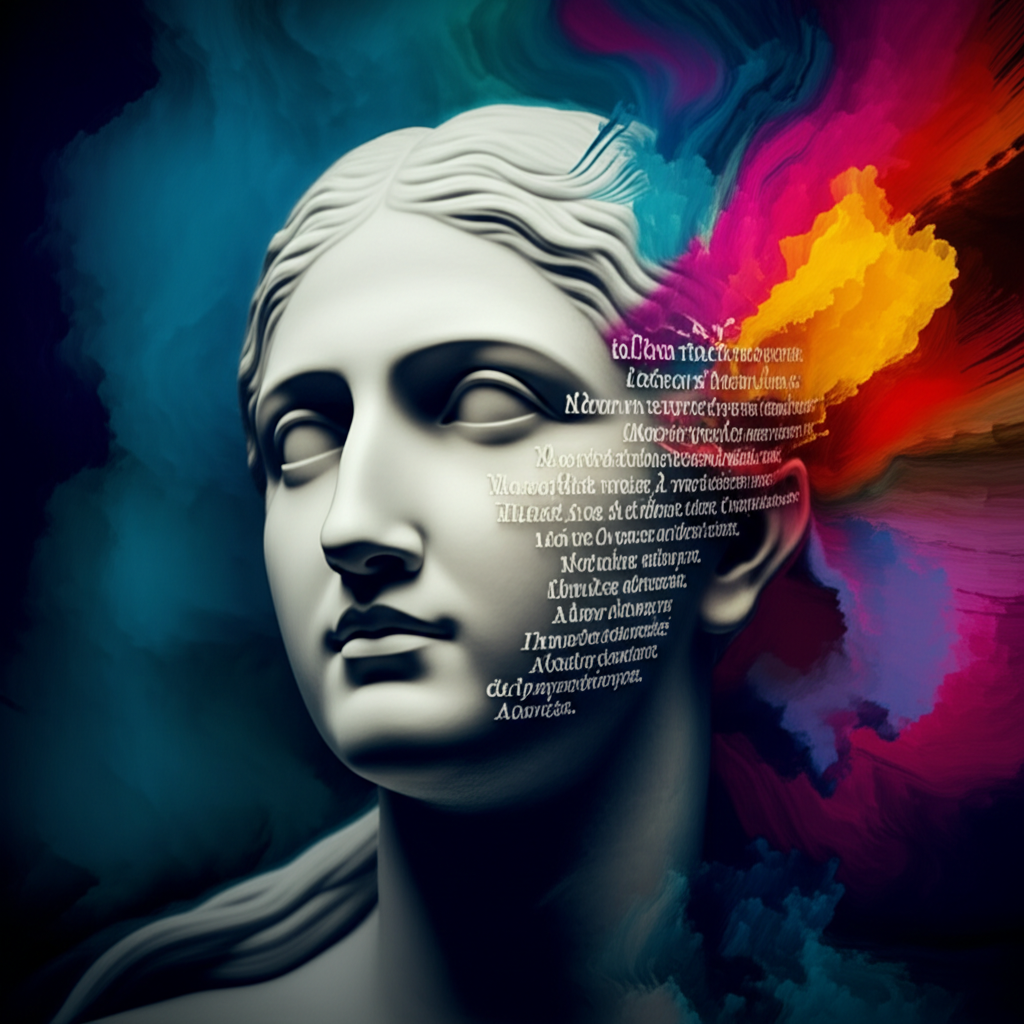
4. The Interplay: How Art, Poetry, and Emotion Converge
The magic of poetry lies in the inseparable bond between its artistic construction, its emotional core, and its pursuit of beauty. These elements do not merely coexist; they are interwoven, each enriching and defining the others.
- Art as the Vessel for Emotion: The artful techniques of poetry – metaphor, rhythm, imagery – are not ends in themselves. They are the sophisticated tools by which the poet precisely channels and intensifies emotion. Without the art, the emotion might remain raw and inchoate; without the emotion, the art might feel sterile and empty.
- Emotion Inspiring Art: Often, a powerful emotion is the catalyst for the creative act. Grief compels a lament, love inspires a sonnet, and outrage sparks a protest poem. The emotion provides the impetus, and the poet's art provides the means to give it form.
- Beauty as the Outcome: When the art of poetry successfully embodies and expresses profound emotion, the result is often beauty. This beauty is not superficial; it is the profound satisfaction derived from witnessing truth, feeling deeply, and experiencing the human spirit elevated through language.
This convergence is what makes poetry such a potent force in philosophy and culture. It is a testament to humanity's enduring need to make sense of its inner world and to share that understanding in a way that is both intellectually stimulating and emotionally resonant.
5. Poetry's Enduring Legacy and Philosophical Significance
From the ancient Greek tragedians whose works explored fate and free will, to the Romantic poets who championed individual feeling and nature, to modern poets grappling with identity and alienation, poetry has consistently offered a unique lens through which to examine the human condition.
It challenges us to look beyond the surface, to feel more deeply, and to contemplate the nature of existence, beauty, and truth. It reminds us that reason alone cannot encompass the full spectrum of human experience; emotion, too, holds profound wisdom. The Great Books of the Western World are replete with poetry because these works recognize the indispensable role of art in shaping thought, provoking introspection, and transmitting cultural values across generations.
Poetry is not just an aesthetic pleasure; it is a philosophical endeavor, a way of knowing and being in the world that integrates intellect and feeling, craft and inspiration. It is a continuous dialogue with the self, with others, and with the mysteries of the universe.
Conclusion: The Indelible Mark of Poetic Emotion
The art of poetry stands as a monumental achievement of human creativity, a testament to our capacity to transform raw emotion into enduring beauty. It is a vital philosophical pursuit, inviting us to explore the depths of our own feelings, to connect with the universal experiences of humanity, and to find profound meaning in the carefully chosen word. In an increasingly complex world, poetry offers a sanctuary for reflection and a powerful voice for the soul, reminding us that the most profound truths are often felt before they are fully understood, and that the most beautiful expressions are those born from the crucible of genuine emotion.
YouTube: "Plato on Art and Imitation"
YouTube: "Aristotle Poetics Explained"
📹 Related Video: What is Philosophy?
Video by: The School of Life
💡 Want different videos? Search YouTube for: "The Art of Poetry and Emotion philosophy"


