

The Enduring Weight of Honor: An Aristocratic Imperative
Honor, in its classical sense, is far more than mere reputation; it is a profound moral and social currency, inextricably linked to the very fabric of aristocratic society. For the aristocracy, honor was the lodestar guiding action, defining identity, and solidifying their place within the social order. This article delves into the intricate relationship between Aristocracy and Honor, exploring how Custom and Convention shaped its expression and how a profound sense of Duty underpinned its enduring significance. From the epic heroes of ancient Greece to the stoic statesmen of Rome and the chivalrous knights of medieval Europe, the pursuit and preservation of honor formed a cornerstone of the Great Books tradition, revealing a virtue that was both a privilege and a heavy burden.
The Genesis of Honor in Aristocratic Society
The concept of honor, particularly within an aristocratic framework, did not emerge in a vacuum. It was meticulously cultivated, a societal construct designed to maintain order, define hierarchy, and articulate the expectations placed upon those who governed or led. For the Aristocracy, honor was a public declaration of their worth, their integrity, and their capacity for leadership.
Honor as a Social Construct
Unlike innate virtues, Honor was largely an external validation, a recognition bestowed by one's peers and community based on adherence to specific Custom and Convention. These unwritten rules dictated everything from proper conduct in battle to the administration of justice, from familial obligations to political alliances. In the eyes of the ancient world, as reflected in Homer or Thucydides, a man's honor was his most valuable possession, often outweighing life itself. It was the measure of his aretē – his excellence or virtue – and a direct reflection of his family's legacy.
Pillars of Aristocratic Honor
The aristocratic code of honor was built upon several foundational principles, each reinforcing the others to create a comprehensive framework for noble conduct.
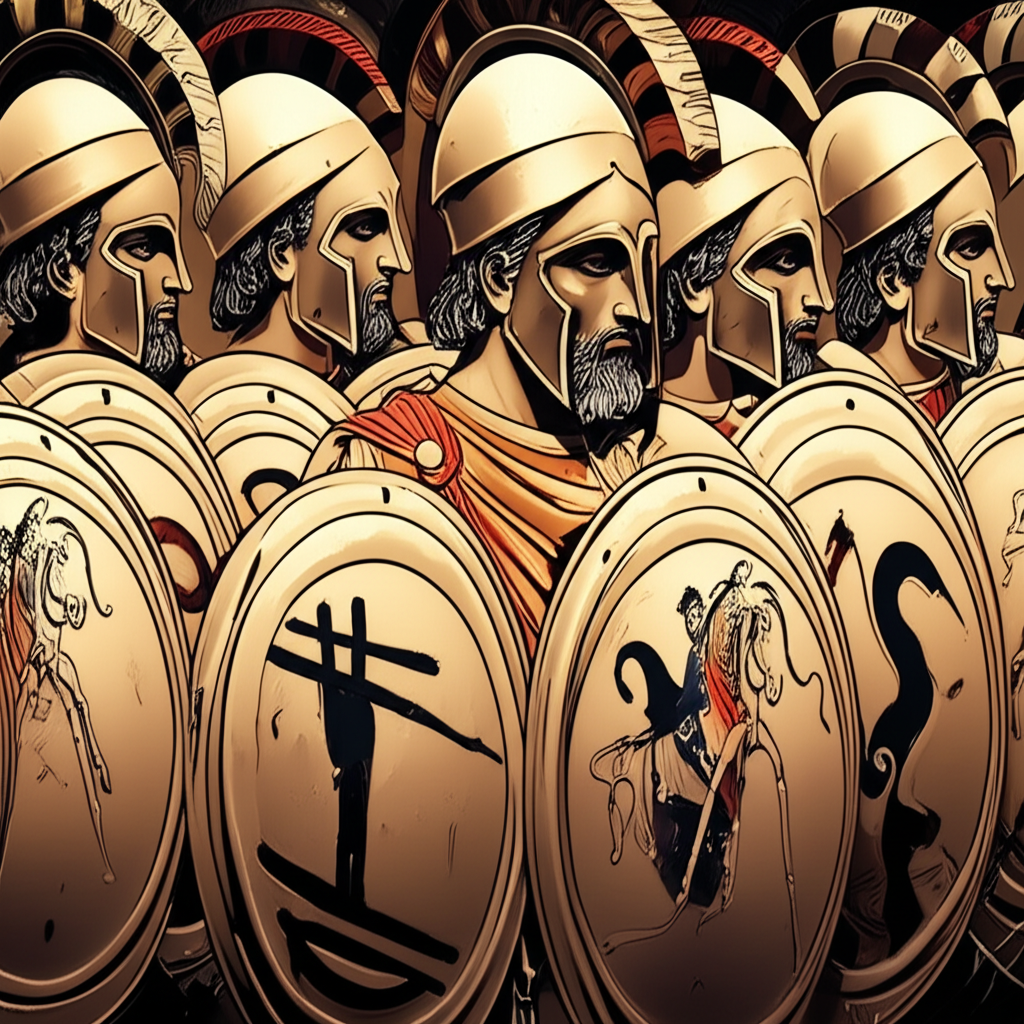
Duty and the Public Sphere
At the heart of aristocratic honor lay an unwavering commitment to Duty. This was not a self-serving ambition but a profound obligation to something larger than oneself: to family, to lineage, to the state, and often, to the gods. For the Roman senator, duty (pietas) meant prioritizing the Republic over personal gain or even family ties. For the medieval lord, it meant protecting his vassals and upholding the feudal contract. This Duty was the practical manifestation of honor, demanding sacrifice, courage, and unwavering adherence to principle, even in the face of adversity. Failure in duty was a stain on one's honor, a mark of ignominy that could affect generations.
The Weight of Reputation and Public Esteem
Honor was intrinsically tied to one's reputation and the esteem of one's community. It was a public good, openly displayed and vigilantly defended. The fear of shame (aidos) or disgrace was a powerful motivator, often more potent than the fear of death. Custom and Convention dictated what actions were honorable and which were not, creating a detailed social ledger. A boast unfulfilled, a promise broken, a cowardice displayed – these were not merely personal failings but public affronts that diminished one's honor and, by extension, the honor of one's entire house. This constant scrutiny meant that the aristocratic life was lived under a perpetual spotlight, where every action contributed to or detracted from one's honorable standing.
The Code of Honor: Custom, Convention, and Consequence
The aristocratic code of honor was a complex web of unwritten rules and expectations, maintained through social pressure, education, and the very real consequences of transgression.
Unwritten Laws and Social Cohesion
Custom and Convention formed the invisible architecture of aristocratic honor. These unwritten laws governed social interactions, political dealings, and even personal grievances. Duels, oaths, and public declarations were not mere formalities but essential mechanisms for upholding honor and restoring it when challenged. They provided a structured way to navigate disputes and reinforce the shared values of the Aristocracy. Adherence to these customs ensured social cohesion and maintained the distinct identity of the noble class.
The Burden of Leadership
The Duty to lead came with an immense burden of honor. An aristocratic leader's honor was not just his own; it was intertwined with the fate of those he led. A king's cowardice could lead to the defeat of his army; a magistrate's corruption could undermine the very foundations of justice. This meant that the aristocratic virtue of honor demanded constant vigilance, self-mastery, and an unwavering commitment to the common good, as defined by the prevailing Custom and Convention. The fall from honor was not merely a personal tragedy but a social catastrophe.
Echoes of Honor in Modern Thought
While the explicit aristocratic structures that once championed honor have largely faded, the underlying principles continue to resonate. The concepts of integrity, reputation, personal responsibility, and the Duty to uphold a standard beyond mere self-interest still hold sway in various forms. Whether in professional ethics, military codes, or the personal pursuit of a life well-lived, the echoes of aristocratic honor remind us of the profound human need for a moral compass guided by something greater than individual desire.
YouTube Video Suggestions:
-
📹 Related Video: ARISTOTLE ON: The Nicomachean Ethics
Video by: The School of Life
💡 Want different videos? Search YouTube for: ""Aristotle Nicomachean Ethics Honor Virtue""
2. ## 📹 Related Video: ARISTOTLE ON: The Nicomachean Ethics
Video by: The School of Life
💡 Want different videos? Search YouTube for: ""Roman Virtues Pietas Dignitas Fides""