

The Enduring Echo of Honor: A Glimpse into Aristocratic Virtue
In an age often characterized by individualism and the pursuit of personal fulfillment, the concept of honor can seem an anachronism, a relic of bygone eras. Yet, for centuries, particularly within the framework of aristocracy, honor was not merely a sentiment but a vital, often life-defining, virtue. It dictated behavior, shaped societal structures, and provided a moral compass for those who held positions of influence. This article delves into the rich philosophical landscape of aristocratic honor, examining its intricate connections to custom and convention and the profound weight of duty that it imposed. Far from being a mere affectation, it was a complex system of values that underpinned the very fabric of ancient and classical societies, offering profound insights into human nature and the pursuit of excellence.
Defining Honor in the Aristocratic Sphere
To understand aristocratic honor is to step into a world where reputation, public esteem, and moral rectitude were inextricably linked. For the aristocracy, honor was not simply an internal feeling; it was an external recognition of one's worth, earned through virtuous conduct, courage, and adherence to societal ideals. It was the social currency that granted legitimacy, authority, and respect.
- Public Acclaim: Honor manifested as the esteem and good opinion of one's peers and the community. Losing honor meant social death, often worse than physical death.
- Moral Excellence: It demanded adherence to a strict code of conduct, emphasizing virtues like courage, wisdom, justice, and temperance.
- Legacy and Lineage: Honor was often inherited but constantly had to be maintained and enhanced through personal actions, ensuring the good name of one's family and ancestors.
This understanding of honor, deeply embedded in the works of Homer and the early Greek tragedians, highlights a world where personal glory (kleos) and public recognition were paramount. Achilles' choice in The Iliad between a long, uneventful life and a short, glorious one is perhaps the most iconic illustration of this aristocratic imperative.
Custom, Convention, and the Code of Conduct
The elaborate tapestry of aristocratic honor was meticulously woven from threads of custom and convention. These unwritten rules, passed down through generations, dictated everything from proper social greetings to the appropriate response to an insult. They formed a comprehensive code that regulated interactions and ensured the maintenance of the social order.
Key Aspects of Custom and Convention in Upholding Honor:
| Aspect | Description | Example |
|---|---|---|
| Hospitality (Xenia) | The sacred duty to welcome and protect guests, ensuring safe passage and provisions. A breach was a grave offense against honor. | Odysseus's trials with the Cyclops or the suitors' violation of Penelope's hospitality. |
| Oath-Taking | Solemn vows made before gods or men, binding an individual to their word. Breaking an oath was a profound dishonor. | Treaties between states or personal pledges of loyalty. |
| Public Discourse | The manner in which one spoke, debated, or asserted oneself in public. Eloquence and reasoned argument were signs of honor and wisdom. | Pericles' Funeral Oration in Thucydides, showcasing rhetorical skill and civic virtue. |
| Ritual Combat | Formalized duels or battles undertaken to defend one's honor or that of one's family/state, often with strict rules of engagement. | Hector and Achilles' duel, or challenges issued in medieval chivalric traditions. |
| Patronage | The reciprocal relationship between a patron and client, where the patron's honor was linked to their ability to protect and provide. | Roman patricians supporting plebeians, or feudal lords protecting their vassals. |
These conventions were not merely suggestions; they were the very sinews of aristocratic society. To violate them was to invite shame, ostracism, and the loss of one's standing. The fear of dishonor was a powerful social regulator, ensuring adherence to the established norms.
The Weight of Duty: Honor's Inseparable Companion
Inseparable from honor was the profound sense of duty. For the aristocracy, honor was not a privilege without responsibility; it was a burden that demanded constant vigilance and often significant personal sacrifice. This duty extended beyond personal reputation to encompass family, community, and the state.
Aristotle, in his Nicomachean Ethics, discusses honor as an external good, yet one that can be sought for its own sake, or for the sake of virtue. For the truly virtuous, honor is a recognition of their excellent actions, but the actions themselves are driven by duty and a desire for moral rightness.
- Duty to Family: To uphold the family name, protect its members, and ensure its prosperity. This often meant strategic marriages, military service, or political engagement.
- Duty to State/Community: To serve in war, participate in governance, and contribute to the common good. The Athenian ideal of the citizen, as depicted by Thucydides, embodies this civic duty, where individual honor was intertwined with the honor of the polis.
- Duty to the Gods: To observe religious rites, offer sacrifices, and maintain piety, ensuring divine favor and avoiding sacrilege.
- Duty to Self (Virtue): To live up to one's own potential, striving for excellence (arete) in all endeavors, and maintaining integrity even when unobserved. This internal duty was the bedrock upon which public honor was built.
This intricate web of duties meant that an aristocratic life was rarely one of unbridled freedom. Instead, it was a life lived under the constant gaze of expectation, where every action contributed to or detracted from one's honor and the honor of those connected to them.
The Philosophical Underpinnings: From Aristotle to the Stoics
The concept of honor found rich ground in classical philosophy. Plato, in The Republic, outlines a society where the guardians, akin to an intellectual aristocracy, are driven by a love of honor and a sense of duty to the state. Their honor is tied to their wisdom and courage in upholding justice.
Aristotle provides a more nuanced view, acknowledging honor as a legitimate aspiration but cautioning against making it the ultimate good. He posits that honor is typically bestowed upon the virtuous, suggesting that the pursuit of virtue itself is superior. True honor, for Aristotle, is the recognition of one's moral excellence, not an end in itself but a consequence of living well.
Later, the Stoics, while perhaps less concerned with external recognition, still valued inner integrity and the duty to live in accordance with nature and reason. Their concept of virtue, though not directly linked to public honor in the same way as the aristocracy, nonetheless demanded a rigorous self-discipline that would naturally earn respect. The enduring value of their ideas reminds us that while external honors may fade, the internal commitment to virtue remains paramount.
Beyond the Gilded Age: Reclaiming Aspects of Honor
While the hierarchical structures of aristocracy are largely historical, the underlying principles of honor, custom and convention, and duty continue to resonate. We may no longer duel over insults, but the desire for respect, the importance of integrity, and the obligation to act responsibly within our communities remain powerful forces.
Understanding the aristocratic virtue of honor is not about longing for a bygone era of privilege and exclusion. Rather, it is about appreciating a complex system that, at its best, compelled individuals to aspire to excellence, to uphold their word, and to contribute meaningfully to something greater than themselves. Perhaps by reflecting on these ancient virtues, we can cultivate a renewed appreciation for accountability, integrity, and the enduring human need for a life lived with purpose and dignity.
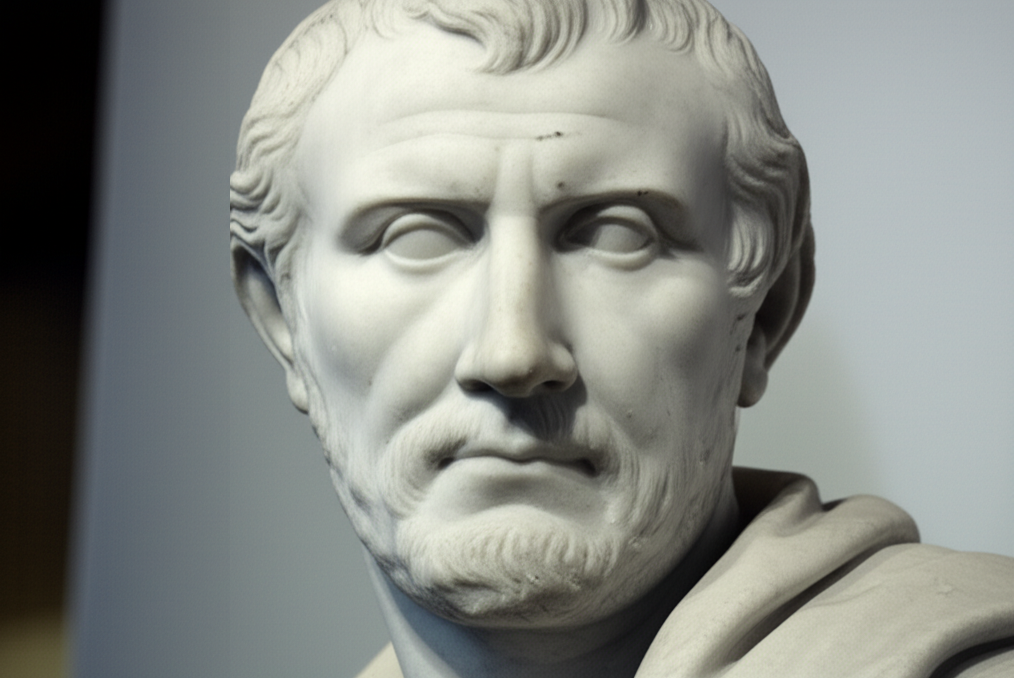
📹 Related Video: ARISTOTLE ON: The Nicomachean Ethics
Video by: The School of Life
💡 Want different videos? Search YouTube for: ""Aristotle Nicomachean Ethics Honor Virtue," "Ancient Greek Concepts of Kleos and Arete""