

The Enduring Resonance of Aristocratic Honor
The concept of honor, particularly as it was understood within an aristocracy, stands as a profound and often complex virtue in the philosophical landscape. Far from a mere social nicety, aristocratic honor was a foundational pillar, dictating behavior, shaping political structures, and defining individual worth. This article explores the intricate relationship between aristocracy, honor, custom and convention, and duty, drawing insights from the foundational texts of Western thought to illuminate a virtue that, while seemingly antiquated, offers deep reflections on human nature and societal obligation.
The Foundation of Aristocratic Honor: A Virtue Forged in Public Life
At its core, honor within an aristocracy was inextricably linked to public esteem and a deeply ingrained sense of self-respect, rooted not just in birthright but in demonstrated excellence. The term aristocracy itself, derived from the Greek aristoi (meaning "the best"), suggests a class defined by perceived superior virtue, wisdom, or courage, rather than mere inherited wealth. For these "best," honor was the currency of their existence, a public acknowledgment of their adherence to a demanding moral and social code.
- Beyond Birthright: Defining Aristocracy
While often associated with inherited status, classical aristocracy frequently carried the expectation of arete (excellence or virtue). From the Homeric heroes of the Iliad whose kleos (glory or renown) was earned through valor and leadership, to Plato's philosopher-kings, the idea was that those who governed or led were inherently "better" and thus held to a higher standard. This expectation of virtue was the bedrock upon which their honor was built. - Honor as Public Esteem and Self-Worth
Unlike modern conceptions of integrity, which often emphasize private conscience, aristocratic honor was inherently public. It was the good name, the unblemished reputation, the respect commanded from peers and subordinates alike. A man of honor was one whose word was his bond, whose courage was unquestionable, and whose actions upheld the dignity of his lineage and community. Yet, this external validation was mirrored by an internal sense of self-worth; to lose honor was not merely to suffer public shame but to experience a profound personal degradation.
The Weave of Custom and Convention: Defining the Honorable Path
The specific behaviors and attitudes that constituted honor were rarely codified in law but were instead meticulously maintained through custom and convention. These unwritten rules, passed down through generations, formed a powerful social contract, dictating everything from proper conduct in battle to the etiquette of social interaction.
- The Unwritten Laws of Society
In ancient societies, particularly those depicted in the Great Books of the Western World, custom and convention were the invisible architects of social order. They prescribed the appropriate responses to slights, the expected generosity towards guests, and the solemnity due to oaths. To violate these customs was to risk not just social ostracism but the very loss of one's honor. Consider the elaborate codes of hospitality in the Odyssey or the Roman emphasis on pietas (duty to gods, family, and country) and gravitas (seriousness of purpose). - Ritual, Reputation, and Reciprocity
The maintenance of honor was often tied to ritualistic behavior and a system of reciprocity. Gifts, challenges, and public displays of respect or defiance all played a role in affirming or challenging one's status. Reputation, therefore, was not a passive state but an actively defended asset, requiring constant vigilance and adherence to the community's established norms.
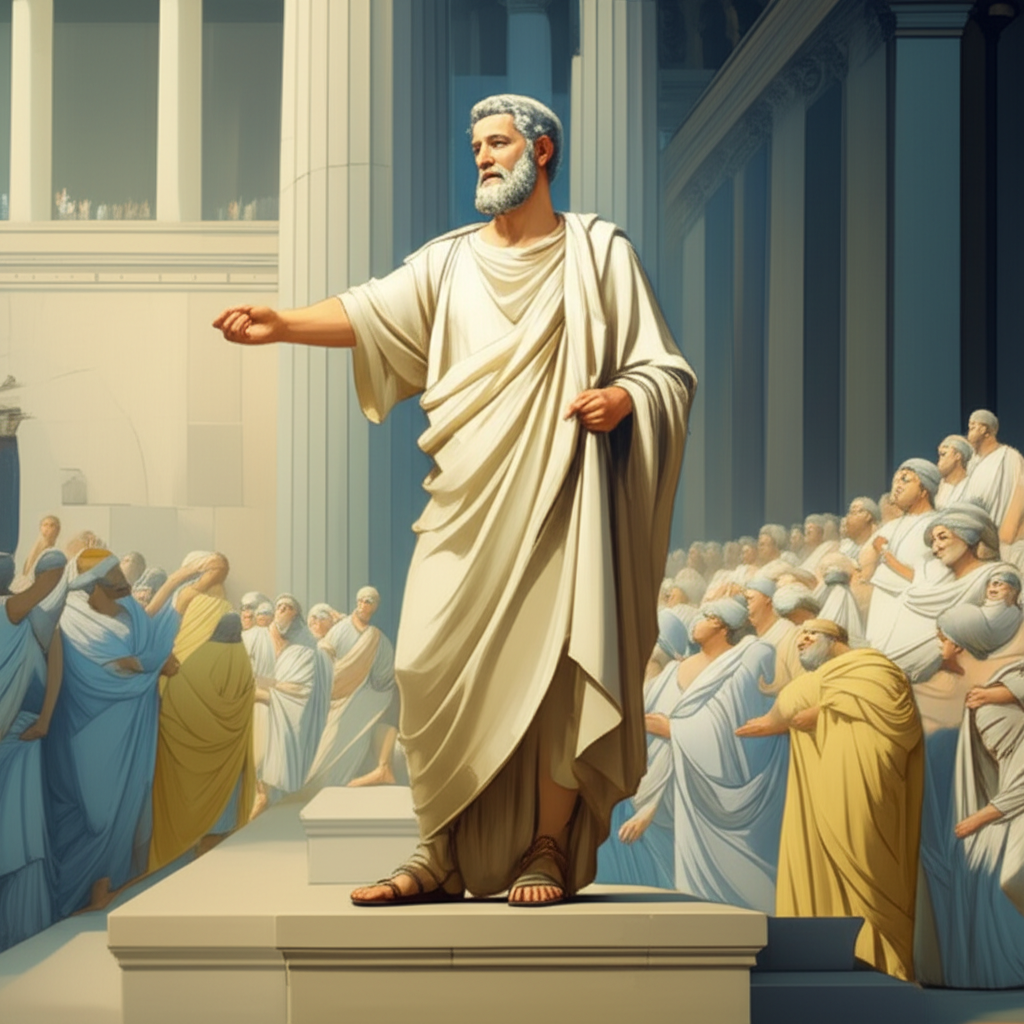
The Weight of Duty and Obligation: The Burden of the Best
With the privileges of an aristocracy came immense responsibilities. Duty was not merely a suggestion but an imperative, a moral obligation that bound the individual to their family, their community, and their state. Failure in duty was a direct assault on one's honor.
- Duty to Family and Lineage
For the aristocratic individual, duty often began with the family. Upholding the family name, ensuring its prosperity, and avenging any slights against it were paramount. This extended to ancestral honor, where the deeds of forefathers set a precedent that descendants were compelled to match or surpass. - Duty to the State and Community
Beyond the family, aristocratic duty encompassed service to the polis or state. This might involve military leadership, political governance, or judicial service. Figures like Aristotle discussed the virtues necessary for good citizenship, especially for those destined to rule. The idea was that the "best" were obligated to serve the common good, and their honor was intrinsically linked to their success in this service. - The Intertwined Nature of Duty and Honor
The performance of one's duty was the primary means by which honor was earned and maintained. A general who led bravely, a senator who spoke wisely, a paterfamilias who managed his household effectively – all demonstrated their worth through their actions. Conversely, cowardice, corruption, or neglect of responsibilities led directly to dishonor, a fate often considered worse than death in many ancient cultures.
| Aspect of Aristocratic Life | Connection to Honor | Example/Manifestation |
|---|---|---|
| Lineage/Birthright | Foundation of expectation | Inherited reputation, noble ancestry |
| Virtue (Arete) | Means of maintaining honor | Courage, wisdom, justice, temperance |
| Public Service | Demonstration of duty | Military command, political office, judicial roles |
| Custom & Convention | Rules of engagement | Dueling codes, hospitality, oath-keeping |
| Reputation (Kleos) | Public validation | Stories of valor, public praise, monuments |
| Duty (Pietas) | Moral obligation | Loyalty to family, state, gods |
A Legacy Reconsidered: Honor in the Modern World
While the overt structures of aristocracy have largely receded, the philosophical underpinnings of honor continue to resonate. The tension between internal conviction and external validation, the weight of duty, and the power of custom and convention in shaping individual and collective identity remain salient topics. Examining aristocratic honor allows us to reflect on the societal values that define worth, the responsibilities that accompany privilege, and the enduring human desire for respect and recognition.
YouTube Video Suggestions:
-
📹 Related Video: ARISTOTLE ON: The Nicomachean Ethics
Video by: The School of Life
💡 Want different videos? Search YouTube for: ""Aristotle Nicomachean Ethics Magnanimous Man""
2. ## 📹 Related Video: PLATO ON: The Allegory of the Cave
Video by: The School of Life
💡 Want different videos? Search YouTube for: ""Homeric Honor and the Heroic Code""