

The Weight of Lineage: Unpacking the Aristocratic View of Honor
The aristocratic view of honor is a complex, historically embedded concept, fundamentally distinct from modern notions of personal integrity or universal human dignity. At its core, it posits honor not merely as an individual moral quality but as a public, inherited attribute tied to birth, social status, and a specific code of conduct upheld by a ruling or noble class. This honor was a collective possession, maintained through adherence to particular virtues and the avoidance of specific vices, all dictated by custom and convention, and fiercely guarded to preserve the social order and the standing of the aristocracy itself.
Honor as a Cornerstone of Aristocratic Identity
For centuries, across diverse civilizations, honor was inextricably linked to aristocracy. It wasn't something earned solely through individual merit in the same way it might be today; rather, it was largely inherited, a birthright that came with immense responsibilities and expectations. To be born into the nobility was to inherit a legacy of honor, which then had to be constantly affirmed and defended through one's actions. This created a powerful social contract within the elite, where individual behavior reflected upon the entire lineage and class.
The aristocracy saw itself as the embodiment of societal excellence, a group whose very existence justified its rule. Their honor was a public trust, a visible sign of their worthiness to govern and lead. Losing honor, therefore, was not just a personal failing but a profound breach of this trust, often resulting in social ostracization or even political downfall.
The Dual Nature: Virtue and Vice in the Aristocratic Code
The aristocratic code of honor prescribed a rigid set of virtues to be cultivated and vices to be shunned. These were not abstract moral principles but practical guidelines for maintaining one's standing and the prestige of one's family.
Table 1: Aristocratic Virtues and Vices
| Key Aristocratic Virtues | Key Aristocratic Vices |
|---|---|
| Courage (Andreia): Especially in battle or defending one's name. | Cowardice: A cardinal sin, implying unworthiness. |
| Magnanimity (Megalopsychia): Greatness of soul, generosity, disdain for petty concerns. | Avarice/Meanness: Undignified, showing a lack of noble spirit. |
| Truthfulness/Sincerity: Upholding one's word, especially in matters of oath and promise. | Deceit/Treachery: Betraying trust, undermining the social fabric. |
| Loyalty: To one's sovereign, family, and class. | Disloyalty/Betrayal: Direct assault on the aristocratic order. |
| Justice: Administering fair judgment, though often within the confines of their own class. | Tyranny/Oppression: Abusing power, though often defined by their own standards. |
| Self-Control (Sophrosyne): Moderation in pleasure, dignified comportment. | Licentiousness/Boorishness: Undermining decorum and respect. |
These virtues, often discussed in works like Aristotle's Nicomachean Ethics, were not merely personal ideals but public performances. A nobleman's generosity, for instance, was a public display of his wealth and disdain for material possessions, reinforcing his superior status. Conversely, exhibiting a vice like cowardice could lead to public shame and the irreparable damage of one's honor.
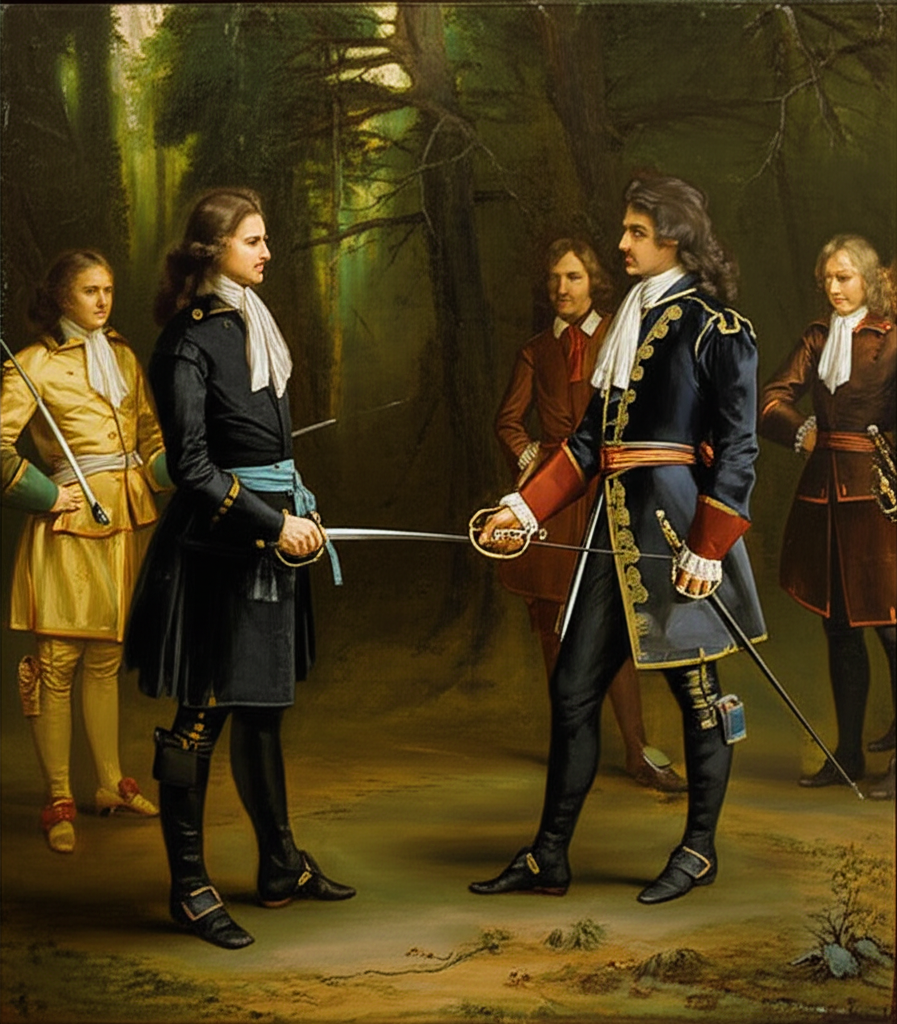
The Shaping Hand of Custom and Convention
The aristocratic understanding of honor was meticulously sculpted by custom and convention. These unwritten laws dictated everything from proper etiquette in court to the rules of engagement in a duel. These conventions served as the scaffolding upon which the entire edifice of aristocratic honor was built, ensuring uniformity and predictability in a world where reputation was paramount.
- Duelling: Perhaps the most dramatic example, duelling was a ritualized act of violence designed to defend or restore honor when it was perceived to have been insulted. It wasn't about law, but about maintaining social standing through a demonstration of courage and adherence to a specific code.
- Chivalric Codes: In medieval Europe, the codes of chivalry provided a comprehensive framework for knightly conduct, emphasizing bravery, courtesy, generosity, and piety. These were not just personal aspirations but public expectations for the warrior
aristocracy. - Public Reputation: The perception of one's peers was critical. An aristocrat's honor existed most powerfully in the eyes of others. Gossip, whispers, or public slights could be as damaging as direct accusation, necessitating constant vigilance and adherence to social norms.
This intricate web of custom and convention created a unique moral universe where the maintenance of honor was a lifelong, public endeavor. The fear of shame and disgrace, far more than legal penalties, often served as the primary deterrent against deviation from the expected path.
The aristocratic view of honor, while seemingly rigid and elitist from a modern perspective, offers a fascinating insight into a social structure where personal identity, public reputation, and political power were indivisibly linked. It highlights how deeply philosophical concepts like virtue and vice can be shaped by specific custom and convention to serve the interests and perpetuate the status of a particular aristocracy.
YouTube Suggestions:
-
📹 Related Video: ARISTOTLE ON: The Nicomachean Ethics
Video by: The School of Life
💡 Want different videos? Search YouTube for: "Aristotle Nicomachean Ethics Honor Magnanimity"
-
📹 Related Video: PLATO ON: The Allegory of the Cave
Video by: The School of Life
💡 Want different videos? Search YouTube for: "History of Dueling Codes of Honor"