

The Unseen Weight of a Crown: Deconstructing the Aristocratic View of Honor
The concept of honor, particularly within an aristocracy, is far more intricate and demanding than its modern, often diluted, interpretation. For the privileged few of historical societies, honor was not merely a feeling of self-worth or a fleeting reputation; it was the very bedrock of their existence, a public testament to their inherent nobility, and a constant burden of expectation. Rooted deeply in custom and convention, this form of honor dictated behavior, underpinned social structures, and served as the ultimate measure of a person's virtue and vice, often with life-or-death implications. Understanding the aristocratic view requires delving into a worldview where one's place in society was divinely ordained, and one's actions were perpetually under the scrutiny of peers and posterity.
What is Aristocratic Honor? More Than Mere Reputation
At its core, aristocratic honor was an acknowledgment of inherent worth and social standing, publicly recognized and rigorously maintained. It was inextricably linked to lineage, inherited privilege, and the responsibilities that came with power. Unlike the democratic ideal where all are ostensibly equal in honor, the aristocratic framework posited a hierarchy where some were naturally more honorable than others, by birthright.
For an aristocrat, honor was:
- Inherited: Passed down through generations, a legacy to be protected and enhanced.
- Public: Not a private feeling, but a social currency, validated by the community and peers.
- Demanding: Requiring constant adherence to a strict code of conduct, often at great personal cost.
- Fragile: Easily lost through perceived slights, cowardice, or ignoble actions, and incredibly difficult to regain.
This honor wasn't just about avoiding shame; it was about actively embodying the ideals of the ruling class, demonstrating the qualities that justified their elevated position.
The Nexus of Virtue and Honor
The preservation and enhancement of aristocratic honor were predicated upon the cultivation of specific virtues. Drawing heavily from the philosophical traditions explored in the Great Books of the Western World, particularly Aristotle's Nicomachean Ethics, we see how virtues like courage, magnanimity, justice, and temperance were not abstract ideals but practical necessities for the aristocrat.
- Courage (Andreia): Essential for a warrior class, demonstrating valor in battle and fortitude in adversity. A lack of courage was perhaps the most direct path to dishonor.
- Magnanimity (Megalopsychia): The virtue of the "great-souled man," who claims much and deserves it. This involved a proper pride, generosity, and a disdain for petty concerns, all while maintaining a dignified bearing.
- Justice (Dikaiosyne): While often applied selectively, the ideal aristocrat was expected to administer justice fairly within their domain, upholding the social order.
- Prudence (Phronesis): The practical wisdom to make sound judgments, crucial for leadership and governance.
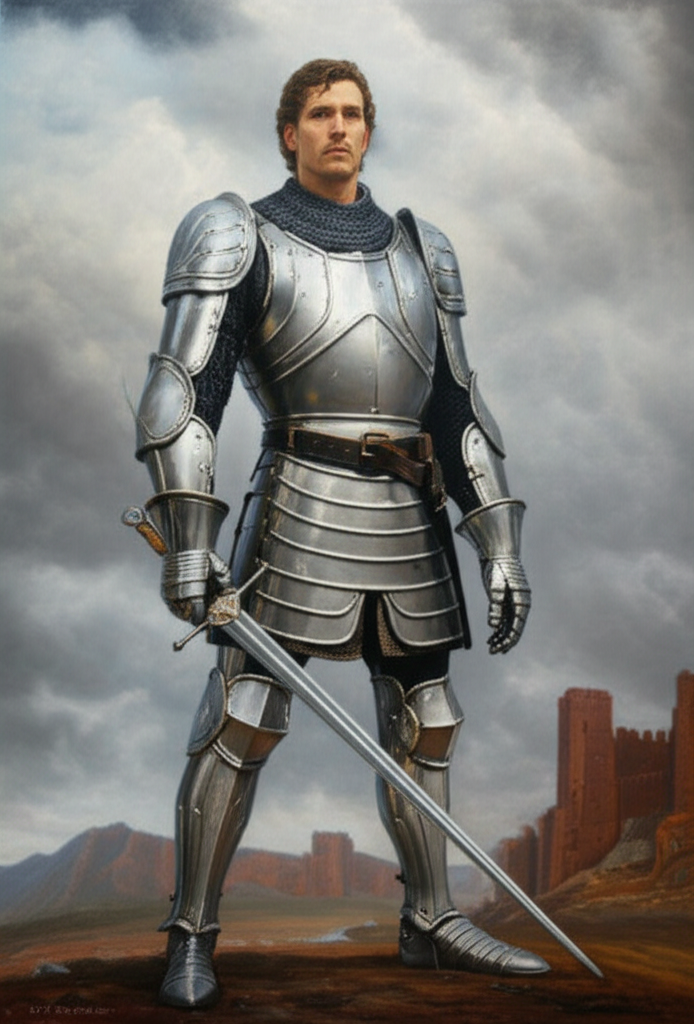
The Shadow of Vice: When Honor is Lost
Conversely, specific vices were anathema to aristocratic honor. Cowardice, deceit, avarice, and betrayal were not merely moral failings but existential threats to one's standing. To be branded a coward or a liar was to suffer a social death, often worse than physical demise.
- Cowardice: Directly undermined the warrior ethos central to many aristocracies.
- Deceit/Treachery: Broke the bonds of trust essential for alliances and governance.
- Avarice: Demonstrated a focus on base material gain over noble principles, often leading to corruption.
- Disloyalty: A fundamental breach of the feudal or hierarchical contract, leading to severe penalties.
The loss of honor was not simply a personal disgrace; it could lead to the confiscation of lands, titles, and even the ostracization of an entire family. The public shaming rituals, from duels to formal denunciations, underscored the gravity of such transgressions.
Custom, Convention, and the Public Eye
Aristocratic honor was meticulously defined and enforced by custom and convention. It was a shared understanding, a complex web of unwritten rules and expected behaviors that governed every aspect of an aristocrat's life, from their table manners to their conduct in war.
- Codes of Chivalry: In the medieval period, these codes provided a blueprint for honorable conduct, emphasizing bravery, courtesy, loyalty, and protection of the weak.
- Duels: Often ritualized conflicts, duels were a means for aristocrats to defend their honor against perceived insults, demonstrating courage and a willingness to put one's life on the line for one's reputation.
- Social Etiquette: Every interaction, from a bow to a turn of phrase, was laden with meaning, signaling respect or disrespect, and contributing to or detracting from one's honor.
- Public Opinion: The judgments of one's peers were paramount. A whisper campaign or a public slight could be as damaging as a direct accusation.
This constant performance of honor highlights that it was not merely an internal state, but a social construct, perpetually reaffirmed through adherence to established norms.
The Shifting Sands of Nobility
While the aristocratic view of honor persisted for centuries, it was not static. As societies evolved, so too did the challenges to this rigid system. The rise of meritocracy, the decline of feudalism, and the Enlightenment's emphasis on individual rights gradually eroded the foundations of inherited honor. The tension between honor derived from birth and honor earned through individual achievement became a recurring theme in philosophy and literature. Yet, the echoes of this demanding code continue to resonate, shaping our understanding of integrity, duty, and reputation.
The Enduring Echoes of Aristocratic Honor
The aristocratic view of honor, though largely a relic of the past, offers profound insights into the human condition. It reminds us that our sense of self is often intertwined with how we are perceived by others, and that the pursuit of a higher ideal can be a powerful motivator. While we may no longer subscribe to its rigid hierarchies or its often-violent enforcement mechanisms, the core questions it raises about virtue and vice, the role of custom and convention in shaping identity, and the weight of public expectation remain deeply relevant. It prompts us to consider what we value, what we are willing to fight for, and what defines a truly honorable life, irrespective of birthright.
YouTube Video Suggestions:
-
📹 Related Video: ARISTOTLE ON: The Nicomachean Ethics
Video by: The School of Life
💡 Want different videos? Search YouTube for: ""Aristotle Nicomachean Ethics Honor""
-
📹 Related Video: ARISTOTLE ON: The Nicomachean Ethics
Video by: The School of Life
💡 Want different videos? Search YouTube for: ""Medieval Chivalry Code of Honor History""