

The Noble Pursuit: Education in the Aristocratic Tradition
Summary: The aristocratic view of education, deeply rooted in the philosophy of the Great Books, posits that true learning extends far beyond vocational training or mere knowledge acquisition. It is fundamentally about the cultivation of character, virtue, and the pursuit of excellence—a paideia designed to shape individuals worthy of leadership and imbued with a profound sense of Honor. This tradition emphasizes the formation of a noble soul, guided by rigorous intellectual and moral discipline, and reinforced by societal Custom and Convention.
Cultivating Excellence: An Introduction to Aristocratic Education
From the ancient academies of Greece to the grand estates of Enlightenment Europe, the concept of Aristocracy has often been intertwined with a distinct vision of Education. This vision, explored extensively by thinkers like Plato and Aristotle within the pages of the Great Books of the Western World, is not merely about instructing the young in skills or facts. Instead, it represents a holistic and profound commitment to shaping the "best" citizens—those capable of discerning truth, acting virtuously, and leading with wisdom.
This perspective stands in stark contrast to many modern educational philosophies that prioritize utility, economic productivity, or universal access to basic literacy. The aristocratic ideal, as we shall see, is concerned with something far more profound: the very essence of human flourishing and the development of a soul attuned to beauty, justice, and the common good.
Defining the Aristocratic Ideal of Education
At its core, the aristocratic view understands education not as a right for all, but as a rigorous path for those destined to lead or to embody the highest ideals of their society. The word aristocracy itself, derived from Greek, means "rule by the best." Therefore, aristocratic Education is the process by which these "best" are identified, nurtured, and refined.
- Beyond Utility: Unlike practical training for a trade, aristocratic education aims for intellectual and moral elevation. It is an end in itself, a pursuit of knowledge for its own sake and for the development of the mind.
- Character Formation: The emphasis is heavily on the development of virtue (ἀρετή - aretē). Courage, temperance, justice, and wisdom are not just taught but are instilled through practice, discipline, and example.
- Holistic Development: It encompasses not only intellectual pursuits but also physical training (gymnastics), aesthetic appreciation (music, poetry), and moral philosophy. The goal is a well-rounded individual, harmonious in mind, body, and spirit.
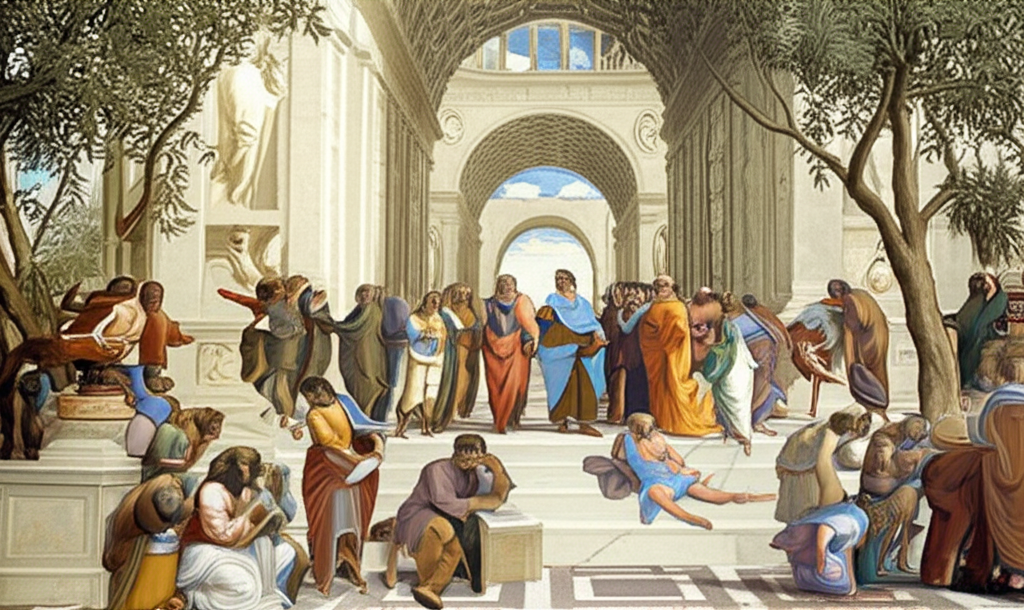
The Centrality of Honor
Within this framework, Honor is not a mere byproduct but a fundamental objective and motivator of aristocratic education. To be educated aristocratically is to be educated for a life of honor, understanding that one's actions reflect not only on oneself but on one's family, community, and tradition.
- Aspiration to Excellence: The pursuit of honor drives individuals to strive for excellence in all their endeavors—intellectual, moral, and physical. It fosters a sense of personal dignity and public responsibility.
- Reputation and Duty: An educated aristocrat understands the weight of their reputation and the duties that come with their station. This understanding is cultivated through stories of heroic deeds, philosophical discussions on ethics, and the constant reinforcement of societal expectations.
- Moral Compass: Honor serves as an internal compass, guiding decisions and actions towards what is noble and just, even when it is difficult. It is a commitment to living up to a high standard.
Custom and Convention as Reinforcers
The aristocratic educational system is inextricably linked to the prevailing Custom and Convention of its society. These traditions provide the framework within which education operates, shaping its content, methods, and ultimate goals.
- Socialization into a Role: Education socializes individuals into their expected roles within the aristocratic hierarchy. It teaches the proper manners, etiquette, and social graces necessary to navigate complex social structures.
- Preservation of Tradition: Through the study of history, literature, and philosophy, students learn to appreciate and uphold the traditions and values that define their culture and class. This ensures continuity and stability.
- Community of Virtue: Custom and Convention also dictate the rituals and practices that reinforce shared values. This might include rites of passage, communal feasts, or participation in civic duties, all of which strengthen the bonds within the aristocratic class and reinforce their collective identity.
Consider the detailed educational schemes proposed by Plato in his Republic or Aristotle in his Politics. While theoretical, they illustrate how deeply the curriculum, the selection of music, the type of physical training, and even the stories told to children are all carefully chosen to cultivate specific virtues and solidify the societal structure.
Key Tenets of Aristocratic Education:
| Feature | Description | Philosophical Basis |
|---|---|---|
| Purpose | Cultivation of character, virtue, and excellence for leadership. | Plato's paideia, Aristotle's eudaimonia (flourishing) |
| Curriculum | Holistic: philosophy, rhetoric, music, gymnastics, history, literature. | Plato's Guardians, Aristotle's liberal arts |
| Motivation | Pursuit of Honor, duty, and reputation. | Stoic virtues, Socratic self-knowledge |
| Social Context | Guided and reinforced by Custom and Convention. | Traditional societal roles and expectations |
| Outcome | A noble, wise, and just individual capable of leading and serving the state. | The ideal citizen, the virtuous leader |
The Enduring Legacy
While the overt structures of historical aristocracies have largely faded, the philosophical questions posed by their educational ideals remain profoundly relevant. What does it mean to educate for excellence? How do we cultivate Honor in a diverse society? What role do Custom and Convention play in shaping our values? The Great Books of the Western World challenge us to consider whether an education focused solely on practical skills misses a deeper human purpose—the cultivation of the soul, the pursuit of wisdom, and the development of individuals truly worthy of their humanity.
This aristocratic vision, far from being a mere relic of the past, offers a powerful lens through which to examine our own educational aspirations and the kind of citizens we hope to foster.
YouTube Video Suggestions:
-
📹 Related Video: PLATO ON: The Allegory of the Cave
Video by: The School of Life
💡 Want different videos? Search YouTube for: "Plato's Republic Education Philosophy"
-
📹 Related Video: ARISTOTLE ON: The Nicomachean Ethics
Video by: The School of Life
💡 Want different videos? Search YouTube for: "Aristotle Politics Education Virtue"