

The Cultivation of the Noble Spirit: An Aristocratic View of Education
The aristocratic view of education, often misunderstood as merely a privilege of birth, is fundamentally a philosophy of formation designed to cultivate character, intellect, and a profound sense of civic duty. Rooted in the ancient Greek concept of paideia, this educational ideal aims not merely at imparting knowledge but at shaping the whole person—mind, body, and spirit—for leadership and the preservation of societal order through adherence to established custom and convention. It is an education steeped in the liberal arts, emphasizing virtue, wisdom, and the inherent duty to serve the common good, preparing individuals not for a trade, but for statesmanship and the noble pursuit of truth.
The Philosophical Bedrock: Wisdom, Virtue, and the Polis
From the earliest philosophical inquiries, particularly within the pages of the Great Books of the Western World, the concept of an aristocratic education emerges as a deliberate, rigorous process for those destined to govern or lead. It is distinct from vocational training; its purpose is not to equip one for a specific trade, but to forge a complete individual capable of making wise judgments and leading a virtuous life.
Plato's Guardians and the Ideal State:
In Plato's Republic, the education of the Guardian class stands as a quintessential example of this aristocratic ideal. The Guardians, chosen for their inherent philosophical inclinations, undergo a rigorous curriculum spanning gymnastics, music, mathematics, and dialectic. This isn't for personal gain, but to enable them to discern truth, administer justice, and govern the polis with wisdom. Their education is a lifelong ascent from the shadows of the cave towards the light of the Good, culminating in the understanding necessary for true statesmanship.
Aristotle's Pursuit of Eudaimonia:
Aristotle, in his Politics and Nicomachean Ethics, further refines this perspective. For him, the purpose of the state is to enable its citizens to live a good life (eudaimonia), and education is paramount to achieving this. He distinguishes between liberal education, suitable for citizens who possess leisure, and illiberal education, which is servile or vocational. The former, focused on music, gymnastics, and intellectual pursuits, cultivates the virtues necessary for participation in political life and the enjoyment of higher intellectual contemplation. The well-educated citizen, for Aristotle, is one who understands the telos (purpose) of human existence and the state, and acts in accordance with reason and virtue.
Core Tenets of Aristocratic Education
The aristocratic view of education, as articulated by these foundational thinkers and echoed through centuries, rests upon several key principles:
- Holistic Development (Paideia): Beyond mere instruction, it aims for the cultivation of the entire individual—intellect, character, physical prowess, and aesthetic appreciation.
- Emphasis on Virtue: Moral and intellectual virtues are paramount. Courage, temperance, justice, prudence, wisdom, and magnanimity are not merely taught but instilled through practice and example.
- Liberal Arts Curriculum: Focus on subjects that liberate the mind:
- Grammar, Rhetoric, Logic (Trivium): Essential for clear thought and eloquent expression.
- Arithmetic, Geometry, Astronomy, Music (Quadrivium): Develop abstract reasoning and an understanding of cosmic order.
- Philosophy, History, Literature: Provide wisdom, moral exemplars, and a deep understanding of human nature and civilization.
- Role of Custom and Convention: Education is deeply intertwined with the transmission of established traditions, social norms, and the accumulated wisdom of generations. It teaches respect for the past and the mechanisms by which society maintains its coherence and values.
- Preparation for Duty: The ultimate aim is to prepare individuals for their roles as leaders, guardians of culture, and responsible citizens, imbued with a strong sense of obligation to their community and its future.
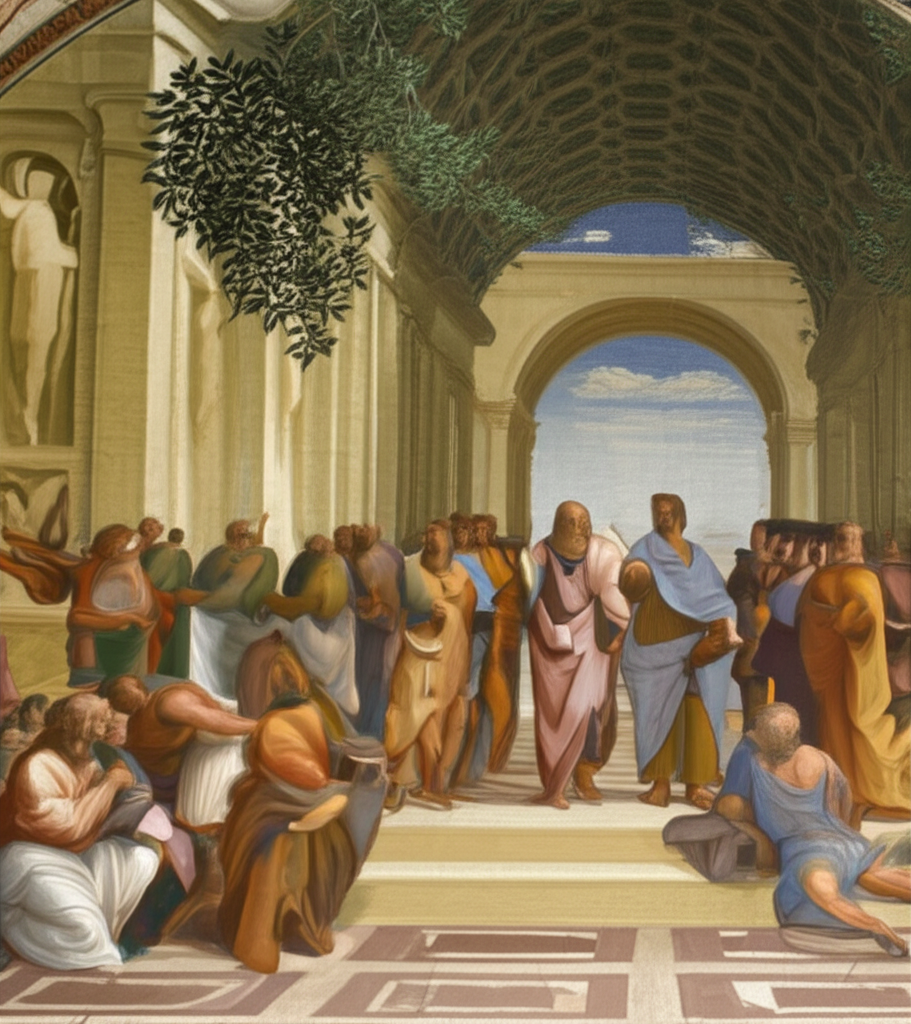
The Purpose: Cultivating Leadership and Service
The essence of aristocratic education lies in its dedication to cultivating a particular kind of leader. This leader is not defined by wealth or inherited title alone, but by a demonstrable capacity for wisdom, virtue, and a profound sense of public duty.
Table: Distinctions in Educational Focus
| Feature | Aristocratic Education | Vocational/Technical Education |
|---|---|---|
| Primary Goal | Cultivation of character, intellect, and civic leadership | Acquisition of specific skills for a trade or profession |
| Curriculum Focus | Liberal Arts, Philosophy, History, Ethics | Practical skills, technical knowledge, specific tools |
| Outcome Desired | Wise judgment, virtuous action, statesmanship | Employability, efficiency in a specific field |
| Core Value | Wisdom, Virtue, Public Service, Tradition | Utility, Efficiency, Economic Gain |
| Relationship to Society | Guiding and preserving societal order and values | Contributing to economic productivity |
An aristocratic education instills the understanding that with privilege comes profound responsibility. The educated elite are expected to be the custodians of culture, the arbiters of justice, and the architects of a stable and flourishing society. Their duty extends beyond personal ambition to the well-being of the collective, guided by the principles of reason and the enduring wisdom embedded in custom and convention.
Legacy and Contemporary Relevance
While the term "aristocratic" may evoke images of bygone eras, the philosophical underpinnings of this educational view continue to resonate. The emphasis on holistic development, critical thinking, moral virtue, and a sense of civic duty remains highly relevant in discussions about the purpose of education today. The concern for cultivating individuals capable of thoughtful leadership, rather than merely skilled technicians, is a perennial challenge that the aristocratic view of education—as explored in the Great Books of the Western World—sought to address head-on. It reminds us that true education is not about what one gets, but what one becomes, and the responsibilities that follow.
📹 Related Video: PLATO ON: The Allegory of the Cave
Video by: The School of Life
💡 Want different videos? Search YouTube for: ""Plato's Republic education philosophy""
📹 Related Video: ARISTOTLE ON: The Nicomachean Ethics
Video by: The School of Life
💡 Want different videos? Search YouTube for: ""Aristotle virtue ethics and politics""