

The Aristocratic Idea of the Good Life: A Pursuit of Excellence and Virtue
The concept of the "good life" has fascinated philosophers for millennia, but few perspectives are as distinct and historically influential as the aristocratic one. Far from a mere pursuit of wealth or power, the Aristocratic Idea of the good life, deeply rooted in the traditions found within the Great Books of the Western World, posits a life defined by virtue, excellence, and a profound sense of duty. It is an ideal where Happiness is not a fleeting emotion but a state of flourishing (eudaimonia) achieved through the rigorous cultivation of one's highest potential, often in service to a greater community. This perspective also shapes a unique understanding of Good and Evil, where nobility of character and action stand in stark contrast to baseness and vulgarity.
Unpacking the Aristocratic Ideal: More Than Just Birthright
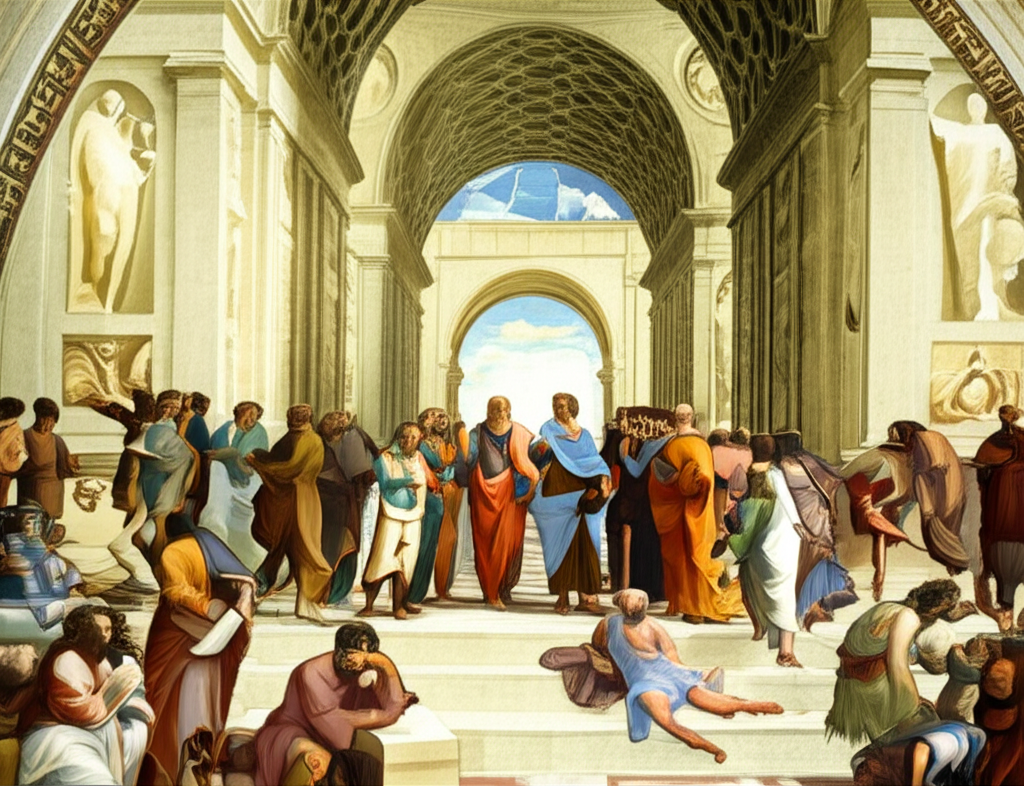
When we speak of Aristocracy, it’s crucial to understand that in its philosophical sense, it often refers less to inherited social status and more to rule by the "best" – those deemed most excellent in virtue and wisdom. This ideal, championed by thinkers like Plato and Aristotle, suggests that the good life is intrinsically linked to the development of these superior qualities.
- Plato's Republic: Envisions a society led by philosopher-kings, individuals whose lives are dedicated to truth, justice, and the common good, not personal luxury. Their "good life" is one of rigorous intellectual and moral discipline.
- Aristotle's Nicomachean Ethics: Defines eudaimonia (often translated as Happiness or flourishing) as the highest human good, achievable through virtuous activity in accordance with reason. For Aristotle, the "magnanimous man" – a figure embodying aristocratic virtues – lives a life of profound ethical and intellectual excellence.
This isn't merely about personal gratification; it's about living a life that exemplifies human potential, setting a standard for others.
Pillars of the Aristocratic Good Life
The pursuit of this ideal is structured around several core tenets:
- Virtue (Arete): This is paramount. For the aristocracy, the good life is a virtuous life. Virtues like courage, temperance, justice, wisdom, and magnanimity are not just admirable traits but active practices that shape one's character and actions.
- Excellence: The drive to achieve the highest possible standard in all endeavors, whether intellectual, moral, or physical. This involves continuous self-improvement and a disdain for mediocrity.
- Reason: The faculty that distinguishes humans and guides them towards understanding the true Good and Evil. A life governed by reason is seen as superior to one ruled by fleeting passions.
- Duty and Responsibility: Often, the aristocratic ideal includes a strong sense of obligation to the community or state. Leadership, protection, and the upholding of societal values are seen as inherent responsibilities.
The Pursuit of Eudaimonia: A Noble Happiness
For the aristocratic mindset, Happiness isn't found in fleeting pleasures or material accumulation. Instead, it is eudaimonia – a deep, abiding sense of flourishing that arises from living a life of virtue and purpose. It is the satisfaction derived from knowing one has lived up to one's potential, acted nobly, and contributed meaningfully.
Consider the contrast:
| Component | Aristocratic Idea of Happiness (Eudaimonia) | Common Conception of Happiness |
|---|---|---|
| Source | Virtuous activity, rational thought, moral excellence, fulfilling duty. | Pleasure, comfort, material gain, absence of pain, immediate gratification. |
| Nature | Stable, enduring state of flourishing, earned through effort and character. | Often transient, emotional state, dependent on external circumstances. |
| Goal | Self-realization, societal contribution, living in accordance with reason. | Personal satisfaction, avoidance of discomfort. |
Defining Good and Evil: An Aristocratic Lens
The aristocratic Idea of Good and Evil is often distinct from more egalitarian or utilitarian perspectives.
- Good: Is equated with nobility, honor, courage, justice, wisdom, and the pursuit of excellence. Actions that uplift humanity, demonstrate magnanimity, and contribute to the order and beauty of the cosmos are considered good. There's a strong emphasis on arete (virtue or excellence) as the ultimate good.
- Evil: Is often associated with baseness, vulgarity, cowardice, injustice, ignorance, and the pursuit of petty self-interest. Actions that degrade human potential, demonstrate weakness of character, or disrupt the harmonious order are deemed evil. It's not just about harm, but about a failure to live up to one's inherent human dignity and potential.
This framework is less concerned with universal moral laws applicable to all and more with the quality of character and the nobility of action, often setting a high bar that only a few might truly attain.
The Enduring Legacy and Modern Reflections
While the classical concept of Aristocracy might seem anachronistic today, its philosophical underpinnings continue to resonate. The emphasis on virtue, excellence, and the pursuit of a meaningful, purposeful life remains a powerful Idea for anyone seeking to understand what constitutes the "good life." It challenges us to look beyond immediate gratification and consider a deeper, more profound form of Happiness rooted in character and contribution.
This perspective, deeply explored in the foundational texts of Western thought, offers a timeless invitation to cultivate the "best" within ourselves, striving for a life that is not just good for us, but good in itself.
YouTube Suggestions:
-
📹 Related Video: ARISTOTLE ON: The Nicomachean Ethics
Video by: The School of Life
💡 Want different videos? Search YouTube for: "Aristotle Eudaimonia virtue ethics"
-
📹 Related Video: PLATO ON: The Allegory of the Cave
Video by: The School of Life
💡 Want different videos? Search YouTube for: "Plato Republic philosopher kings summary"