

Sign and Symbol in Religious Ritual: Unveiling the Sacred Language
Summary: Religious rituals are far more than mere actions; they are intricate tapestries woven from sign and symbol, serving as the very language through which the ineffable is expressed, and the sacred made tangible. This article explores how these fundamental elements, shaped by custom and convention, facilitate profound communal and individual experiences in religion, bridging the gap between the mundane and the transcendent.
The Inherent Need for Meaning: Beyond the Literal
From the earliest human societies to our complex modern world, religion has sought to grapple with existence's deepest mysteries. How do we speak of the unspeakable? How do we connect with that which lies beyond our immediate sensory grasp? The answer, as profound thinkers throughout the Great Books of the Western World have posited, lies in our innate capacity for meaning-making, a capacity most powerfully expressed through sign and symbol.
A simple gesture, a consecrated object, a repeated utterance – these are not arbitrary acts but carefully constructed vessels of meaning. They are the grammar and syntax of a sacred language, enabling communities to articulate shared beliefs, reinforce moral frameworks, and experience a collective sense of purpose and belonging. Without them, the abstract tenets of faith would remain precisely that: abstract, distant, and ultimately, unengaging.
Differentiating Sign and Symbol in Sacred Contexts
While often used interchangeably, a crucial distinction exists between a sign and a symbol, particularly in the rich landscape of religious ritual.
- Signs: A sign typically points directly to something else. Its meaning is often conventional, direct, and unambiguous within a specific context.
- Example: A red cross on a building signifies a hospital or medical aid. In a religious context, a specific hand gesture might signify a blessing or a greeting. The meaning is relatively fixed.
- Symbols: A symbol, by contrast, is far more expansive. It not only points to something but also participates in its meaning, often evoking a complex web of associations, emotions, and deeper truths that cannot be fully articulated in words. Its meaning is often multi-layered, evocative, and can evolve.
- Example: A cross in Christianity is not merely a sign of an execution device; it symbolizes sacrifice, redemption, hope, and the central tenets of the faith. Water in baptism symbolizes purification, new life, and spiritual rebirth, drawing on its elemental properties and deeper philosophical associations.
In religious ritual, what begins as a sign often transcends into a symbol through repeated use, communal understanding, and the weight of tradition. The very act of engaging with these elements imbues them with profound significance, transforming them into conduits of the sacred.
Ritual as the Embodiment of Symbolic Language
Religious rituals are the dynamic arena where sign and symbol come alive. They are performative acts that leverage sensory experience to convey spiritual realities.
Consider the following elements within a typical religious ritual:
- Gestures: The bowing of a head, the folding of hands, the prostration – these are not just physical movements but signs of reverence, submission, or prayer that symbolize humility and devotion.
- Objects: Incense, candles, sacred texts, relics – these objects transcend their material reality. Incense, for example, is not just scented smoke; it symbolizes prayers ascending to the divine, purification, or the presence of the sacred.
- Words and Chants: While language itself is a system of signs, in ritual, words become profoundly symbolic. Repetitive chants, ancient prayers, or sacred narratives (mythos) are not merely informational; their rhythm, tone, and historical weight evoke deep spiritual resonance and connect participants to a timeless tradition.
- Actions: Eating consecrated bread and wine, anointing with oil, performing ablutions – these actions are laden with symbolic meaning that reinforces doctrine and fosters spiritual transformation. They are physical engagements with spiritual truths.
These elements, woven together, form a cohesive symbolic system. The efficacy of these rituals is deeply rooted in custom and convention. Generations of practice and shared understanding solidify the meanings of these symbols, allowing them to resonate deeply within the collective consciousness of a community. Without this shared interpretive framework, the symbols would lose much of their power.
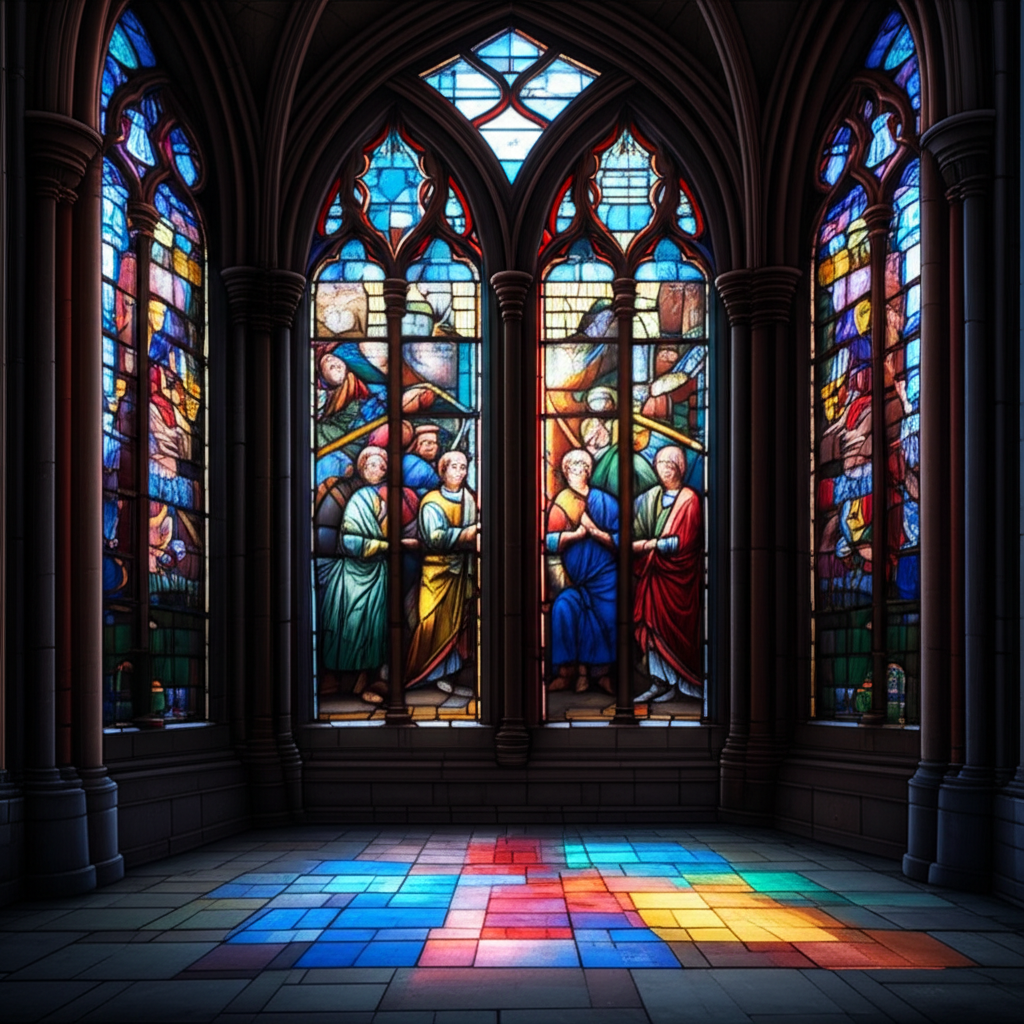
The Enduring Power and Intricacy of Symbolic Meaning
The power of sign and symbol in religion lies in their capacity to communicate truths that defy purely rational or linguistic explanation. They appeal to the emotional, the intuitive, and the collective memory, creating a sense of awe and connection to something greater than oneself. They allow participants to experience their faith rather than merely intellectualize it.
However, this power also brings intricacy. The interpretation of symbols is not always monolithic. Over time, or across different denominations and cultures, the precise meaning of a symbol can shift or be reinterpreted. This fluidity is part of their enduring strength, allowing them to adapt and remain relevant across changing eras, but it also underscores the importance of custom and convention in maintaining communal understanding. Disagreements over symbolic meaning have, throughout history, been a source of profound theological and social conflict.
Ultimately, whether we speak of the cross, the lotus, the menorah, or the ankh, these profound symbols serve as anchors, grounding abstract beliefs in tangible forms and allowing humanity to navigate the vast, often mysterious, terrain of the sacred. They are the enduring language of faith, continually shaping and reflecting our deepest spiritual aspirations.
YouTube: "The Philosophy of Symbols and Rituals"
YouTube: "Meaning in Religious Language and Practice"
📹 Related Video: What is Philosophy?
Video by: The School of Life
💡 Want different videos? Search YouTube for: "Sign and Symbol in Religious Ritual philosophy"