

Sign and Symbol in Religious Ritual: Unveiling the Sacred Lexicon
Summary: Religious rituals, at their core, are intricate performances laden with meaning, where sign and symbol play indispensable roles. While a sign often points directly to a specific action or concept, a symbol transcends mere indication, offering a rich, multi-layered tapestry of meaning that evokes emotion, shared identity, and transcendent truth. Understanding this distinction is crucial to appreciating how religion leverages custom and convention to forge a profound language that connects adherents to the divine, often communicating what words alone cannot.
The Unspoken Language of Faith
In the vast tapestry of human experience, few domains are as deeply woven with meaning as religion. From ancient rites to contemporary observances, the sacred is often encountered not through explicit dogma alone, but through embodied actions, objects, and narratives that constitute ritual. Central to this encounter is the profound interplay of sign and symbol, elements that transform the mundane into the mystical and provide a tangible gateway to the ineffable. As thinkers from the Great Books of the Western World have explored the nature of representation and reality, so too do religious traditions grapple with how to communicate truths that often defy ordinary language.
Defining the Sacred Lexicon: Sign vs. Symbol
To truly appreciate the power of ritual, we must first distinguish between a sign and a symbol. While often used interchangeably in common parlance, their philosophical and semiotic implications, particularly within religious contexts, are distinct and crucial.
The Directness of the Sign
A sign primarily functions as an indicator. It points directly, unambiguously, to something else. Its meaning is generally fixed and often conventional, requiring little interpretation beyond a shared agreement.
- Examples in Religion:
- A specific hand gesture (e.g., a priest's blessing) indicating a particular action or intention.
- The tolling of a bell signaling the start of a service.
- A specific color of vestment denoting a liturgical season.
- The direction of prayer pointing to a holy site.
Signs provide structure, order, and clear communication within a ritual, ensuring participants understand the immediate actions and their direct implications. They are the grammar of religious practice, established by custom and convention.
The Resonance of the Symbol
In contrast, a symbol is far more complex and evocative. It does not merely point to something but rather participates in the meaning it represents, often possessing multiple layers of interpretation. Symbols are rich, ambiguous, and capable of conveying profound truths that transcend literal explanation. They invite contemplation, embody mystery, and resonate deeply with human experience.
- Examples in Religion:
- The Cross: Not merely a historical execution device, but a symbol of sacrifice, redemption, suffering, triumph, and divine love. Its meaning is inexhaustible.
- Water in Baptism: More than just a cleansing agent, it symbolizes purification, new life, death to an old self, and entry into a community.
- The Lotus Flower: In some Eastern traditions, it symbolizes purity, spiritual awakening, and enlightenment, rising unsullied from muddy waters.
- Fire: Represents divine presence, destruction, purification, and illumination across many faiths.
Symbols engage the whole person – intellect, emotion, and spirit – and are vital for conveying the transcendent aspects of religion. They form the poetry of faith, a language that speaks to the soul.
Differentiating Sign and Symbol
| Feature | Sign | Symbol |
|---|---|---|
| Meaning | Direct, explicit, often singular | Indirect, implicit, multi-layered, evocative |
| Function | Indicates, directs, informs | Represents, embodies, participates in meaning |
| Interpretation | Straightforward, conventional | Requires contemplation, often personal and communal |
| Nature | Often arbitrary, points to | Organic, inherent connection, points beyond |
| Impact | Cognitive, practical | Emotional, spiritual, existential |
Custom, Convention, and the Fabric of Ritual
The meanings of both signs and symbols are not inherent but are largely established and maintained through custom and convention within a particular religious community. Over generations, practices are refined, stories are retold, and interpretations are codified, solidifying the shared understanding of these potent elements.
- Formation of Meaning: A particular gesture might become a sign of reverence through repeated use and communal agreement. A natural phenomenon, like a rainbow, might become a symbol of covenant through sacred narrative and shared belief.
- Evolution of Meaning: Meanings are not static. As societies evolve, so too can the interpretation of symbols, though often slowly and with resistance. The enduring power of a symbol lies in its capacity to hold both ancient and contemporary resonances.
- Community and Cohesion: Shared understanding of ritual signs and symbols fosters a strong sense of community, identity, and belonging. It creates a collective consciousness, a shared reality that binds individuals to a larger tradition and to each other.
The Ritual as a Symbolic Narrative
Religious rituals are often more than a sequence of actions; they are dramatic enactments, symbolic narratives that re-present foundational myths, historical events, or cosmic truths. Through these performances, participants are not merely observers but active participants in the sacred story. The bread and wine, the incense, the chant – each element acts as a sign and symbol, drawing the individual into a deeper engagement with the divine. This echoes philosophical inquiries into mimesis or representation, where art and action can reveal deeper truths about existence.
The Language Beyond Words
Perhaps the most profound contribution of sign and symbol to religion is their capacity to articulate the ineffable. When confronting concepts like eternity, divine love, ultimate reality, or the nature of suffering, ordinary language often falters. This is where symbols excel, offering a metaphorical and allegorical language that transcends the limitations of discursive thought.
A symbol allows for an experience of truth rather than just an intellectual understanding. It appeals to intuition, emotion, and embodied knowledge, providing a means to touch the sacred without fully grasping it with the intellect. This "language of the sacred" acknowledges the inherent mystery at the heart of many religious traditions, offering pathways to connection rather than definitive explanations.
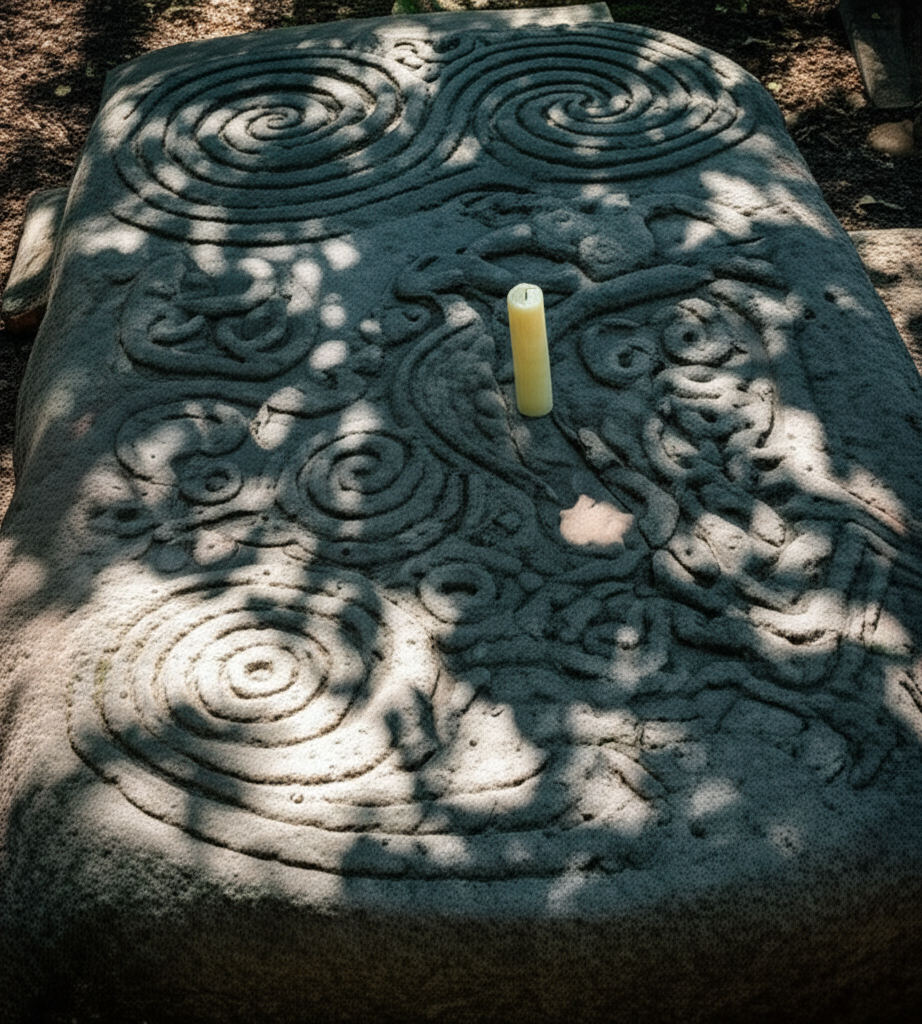
Conclusion: Bridging the Mundane and the Mystical
In conclusion, sign and symbol are not mere accessories to religious ritual but are its very fabric. They provide the necessary framework for structure and understanding (signs), while simultaneously opening portals to profound, multi-layered truths (symbols). Through the enduring power of custom and convention, these elements coalesce to form a rich, non-literal language that enables individuals and communities to articulate, experience, and perpetuate their deepest spiritual convictions, bridging the gap between the tangible world and the transcendent divine.
📹 Related Video: What is Philosophy?
Video by: The School of Life
💡 Want different videos? Search YouTube for: ""philosophy of symbol in religion""
📹 Related Video: PLATO ON: The Allegory of the Cave
Video by: The School of Life
💡 Want different videos? Search YouTube for: ""semiotics of ritual ancient cultures""