

The Unseen Language: Unpacking Sign and Symbol in Religious Ritual
In the vast tapestry of human experience, few threads are as intricate and enduring as those woven by religion. At its very core, religious practice is profoundly reliant on systems of meaning, where the tangible points to the intangible, and the mundane becomes sacred. This intricate relationship is precisely where the concepts of sign and symbol reveal their profound power, serving as the very language through which the divine is apprehended, communicated, and enacted through custom and convention in religious ritual.
This article delves into how signs and symbols function within religious contexts, distinguishing their unique roles, and exploring their indispensable contribution to the spiritual lives of individuals and communities. From the ancient rites to contemporary worship, understanding these fundamental building blocks offers a clearer lens through which to view the enduring human quest for meaning beyond the immediate.
Distinguishing Sign from Symbol: A Philosophical Foundation
To truly grasp their significance in religion, we must first differentiate between a sign and a symbol. While often used interchangeably in common parlance, philosophy, particularly as explored in the Great Books of the Western World, offers a crucial distinction.
-
The Nature of a Sign:
A sign typically points to something specific and unambiguous. Its meaning is often direct, conventional, and largely denotative. Think of a traffic light: red means stop, green means go. The connection between the signifier (the light) and the signified (the action) is generally fixed and agreed upon. In a religious context, a sign might be a specific gesture indicating a moment of prayer, or an architectural feature (like an altar) that clearly designates a sacred space for a particular purpose. Its function is primarily informative or directive. -
The Depth of a Symbol:
A symbol, by contrast, possesses a far greater depth and resonance. It does not merely point to something but rather participates in the meaning of that to which it refers. Symbols are evocative, multi-layered, and often carry emotional, cultural, and historical weight that transcends a simple, one-to-one correspondence. A symbol can mean different things to different people, or even different things to the same person at various stages of their spiritual journey. It invites interpretation, contemplation, and engagement, rather than just delivering information.
This fundamental difference is crucial for understanding how religion operates, moving beyond mere instruction to profound experience.
| Feature | Sign | Symbol |
|---|---|---|
| Relationship | Direct, fixed, unambiguous | Indirect, evocative, multi-layered |
| Meaning | Denotative, specific, informative | Connotative, abstract, transformative |
| Function | Points to, directs, indicates | Participates in, represents, embodies |
| Interpretation | Little variation, conventional | Rich, personal, cultural, evolves |
| Example | Red light, "No Trespassing" sign | Cross, dove, lotus flower, bread and wine |
Religion as a Tapestry Woven with Symbols
Religion is arguably the most potent domain where symbols truly flourish. Because religious experience often grapples with the ineffable, the transcendent, and the mysteries of existence, ordinary language and simple signs often fall short. Symbols step into this void, offering a means to express, understand, and connect with realities that defy straightforward articulation.
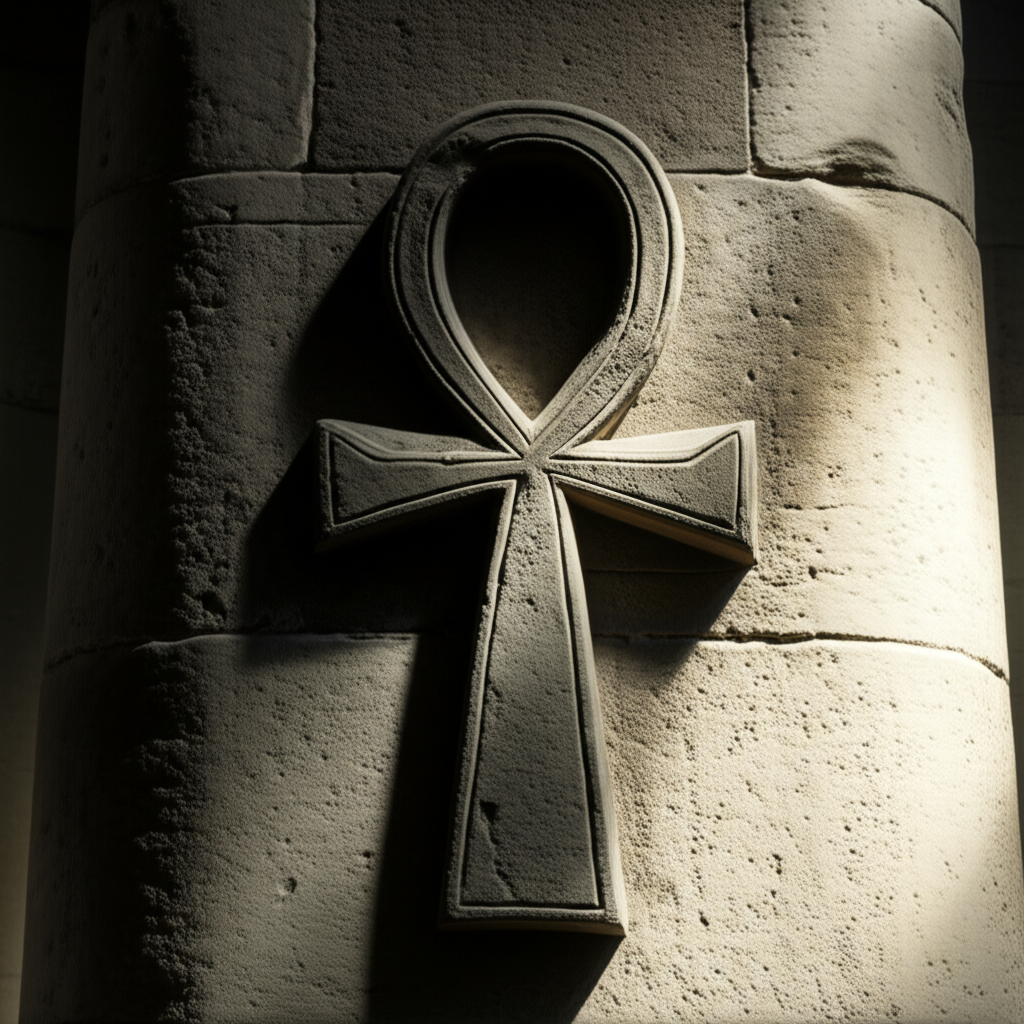
Consider the cross in Christianity, the Star of David in Judaism, the crescent moon and star in Islam, or the Om in Hinduism. These are not merely identifiers; they are condensed repositories of doctrine, history, emotion, and communal identity. They are understood not just intellectually, but spiritually and emotionally. Through custom and convention, their meanings are established, transmitted across generations, and reinforced within the community.
Ritual: Where Signs and Symbols Come Alive
It is within religious ritual that the interplay of sign and symbol reaches its zenith. Rituals are not merely repetitive actions; they are highly structured performances imbued with profound symbolic significance. Every gesture, word, object, and sequence in a ritual is carefully chosen to convey specific meanings and evoke particular experiences.
-
Symbolic Actions: The act of kneeling, prostrating, lighting a candle, or sharing a meal—these are all actions that transcend their literal performance. Kneeling is not just bending one's knees; it is a symbol of humility, submission, or reverence. Sharing bread and wine in a Eucharist or communion is not merely a meal; it is a symbol of sacrifice, fellowship, and spiritual sustenance. These actions, through custom and convention, become powerful conduits for spiritual truths.
-
The Power of Repetition: The repetitive nature of ritual reinforces symbolic meaning, etching it into the consciousness of participants. Over time, these symbols become deeply ingrained, shaping individual and collective understanding of the divine, the community, and one's place within the cosmos. This continuous engagement with symbols through ritual helps to maintain the integrity and vitality of religious traditions.
-
Transformative Experience: Rituals, through their symbolic framework, aim to transform participants. They can mark transitions (birth, marriage, death), facilitate spiritual renewal, or reaffirm communal bonds. The symbolic language of ritual allows individuals to step out of ordinary time and space, entering a sacred dimension where profound truths are not just discussed, but experienced.
Language and the Limits of Expression
Even language itself, while serving as a primary means of communication, functions symbolically in religious contexts. Sacred texts, prayers, hymns, and sermons all employ language that often goes beyond its literal meaning. Metaphor, allegory, and poetic expression are frequently used to articulate concepts that are inherently difficult to grasp through purely rational or empirical means.
Philosophers throughout the Great Books have grappled with the limitations of language to express ultimate realities. From Plato's forms to the mystical traditions that speak of "unknowing," there has always been an understanding that the most profound truths can only be hinted at, approximated, or experienced through non-literal means. This is precisely where the richer, more evocative nature of symbols provides an essential alternative, allowing for a deeper, more intuitive grasp of the divine.
Conclusion: The Enduring Efficacy of the Sacred
The dynamic interplay of sign and symbol in religious ritual forms the very bedrock of spiritual life across cultures and epochs. Signs provide structure and direction, while symbols open pathways to deeper understanding, emotional resonance, and transformative experience. Through the enduring force of custom and convention, these symbolic systems become the shared language that binds communities, transmits ancient wisdom, and allows humanity to continuously engage with the mysteries that lie beyond the immediate. In their subtle yet profound efficacy, signs and symbols do not merely represent the sacred; they make it present, accessible, and eternally meaningful.
📹 Related Video: KANT ON: What is Enlightenment?
Video by: The School of Life
💡 Want different videos? Search YouTube for: ""Jungian Symbolism in Religion" or "Mircea Eliade Sacred and Profane Ritual""