

The Unseen Language: Decoding Sign and Symbol in Religious Ritual
In the intricate tapestry of human experience, few threads are as resilient and pervasive as those woven by religion. At its heart lies a profound engagement with the ineffable, an attempt to grasp and communicate what often transcends ordinary language. This endeavor is primarily facilitated through the potent vehicles of sign and symbol, which, through custom and convention, transform abstract beliefs into tangible, communal realities. This article explores how these fundamental elements shape and define religious ritual, acting as a bridge between the material and the spiritual.
The Essential Distinction: Sign vs. Symbol
To truly appreciate their power, we must first delineate the distinct roles of sign and symbol. While often used interchangeably in common parlance, philosophy and semiotics reveal a crucial difference:
- Signs: A sign points directly to a specific, often singular, meaning. It is largely unambiguous and its interpretation requires little contextualization within a given system. Think of a traffic light: red signifies "stop," green signifies "go." Its meaning is functional and direct. In religion, a sign might be a specific gesture during a prayer, understood by all participants to mean "blessing" or "peace." It's a direct indicator.
- Symbols: A symbol, by contrast, is far richer and more complex. It evokes multiple meanings, often layered and deeply resonant, drawing upon cultural, historical, and spiritual associations. A symbol doesn't just point to something; it often participates in the reality it represents, or at least opens a pathway to it. It speaks a more profound language.
Consider the following comparison:
| Feature | Sign | Symbol |
|---|---|---|
| Meaning | Direct, singular, functional | Multivalent, evocative, profound |
| Interpretation | Straightforward, unambiguous | Requires context, cultural understanding |
| Relationship | Arbitrary or conventional link to referent | Participates in or represents deeper reality |
| Example (Religious) | A specific hand gesture for "amen" | A cross, a chalice, water in baptism |
The Sacred Grammar: Signs in Ritual
Within religion, signs often serve as the foundational grammar of ritual. They provide structure, ensure order, and communicate clear instructions or intentions.
- Ritual Actions: Specific postures, bows, prostrations, or hand movements in a religious ceremony are often signs. They communicate reverence, submission, or supplication in a universally understood manner within that tradition.
- Sacred Objects (as signs): While many sacred objects are symbols, some can function as signs if their meaning is strictly defined and functional. For instance, a specific vestment color might signify a particular liturgical season, indicating a change in focus or theme.
- Divine Indicators: In biblical narratives or other religious texts, a sign from God (e.g., a rainbow after the flood, a burning bush) is a direct, unambiguous communication of divine presence or intent.
These signs, established through custom and convention, provide a common language for participants, ensuring that the ritual is performed correctly and understood uniformly.
The Profound Poetry: Symbols in Religious Ritual
Where signs provide grammar, symbols offer the poetry of religion. They delve into the depths of human experience, connecting individuals to transcendent truths and shared narratives.
- The Cross (Christianity): Far more than a simple sign of execution, the cross symbolizes sacrifice, redemption, suffering, triumph over death, and the core tenets of Christian faith. Its meaning is inexhaustible, resonating with personal and communal experience across millennia.
- Water (Baptism): In many traditions, water is a powerful symbol of purification, new life, death to an old self, and spiritual rebirth. It is not merely a sign that "something is happening," but a tangible link to profound spiritual transformation.
- Bread and Wine (Eucharist): These elements symbolize the body and blood of a deity, sustenance, covenant, and communal fellowship. Their meaning transcends their material form, inviting participation in a sacred mystery.
- The Star of David (Judaism): This hexagram symbolizes Jewish identity, God's covenant with His people, and the unity of the divine and human. Its multifaceted meaning is deeply embedded in history and tradition.
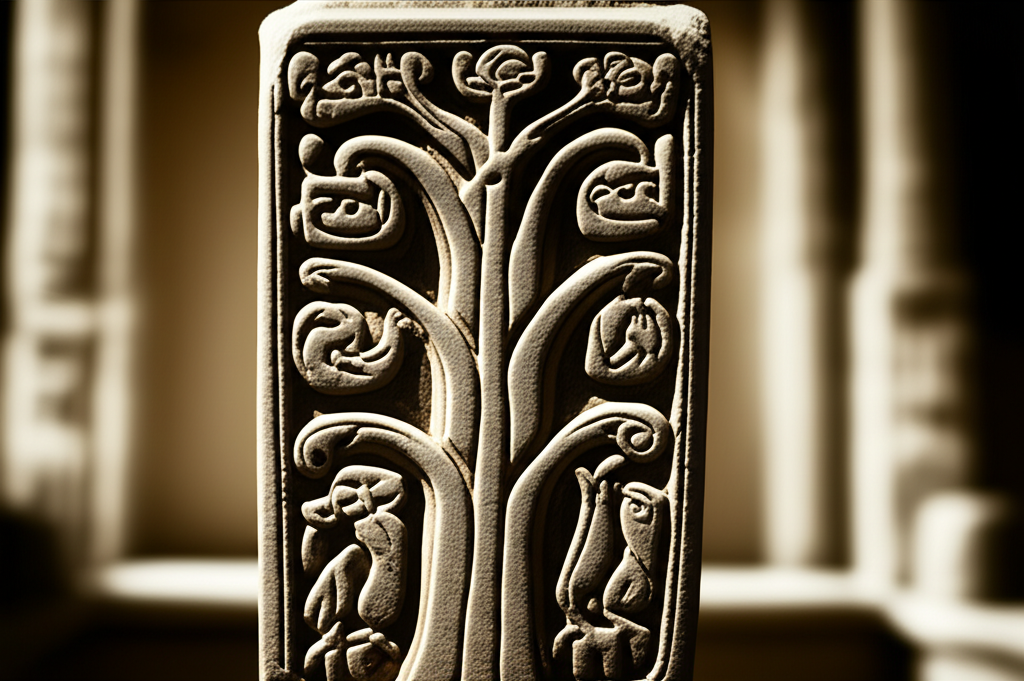
Symbols derive their potency from custom and convention. Over generations, communities invest these objects, actions, and narratives with shared meaning, creating a collective language that binds adherents together. They speak not just to the intellect, but to the emotions, the subconscious, and the soul. They enable the faithful to engage with concepts that are often beyond rational articulation, making the sacred tangible and experienceable.
Custom, Convention, and the Evolution of Meaning
The efficacy of sign and symbol in religion is inextricably linked to custom and convention. These are the invisible forces that imbue meaning, ensuring that a particular gesture or object is understood as sacred within a community.
- Social Cohesion: Shared symbols foster a sense of belonging and identity. They are the shorthand of a community's values and beliefs, understood without explicit verbal explanation. This shared language strengthens social bonds.
- Transmission of Tradition: Rituals, laden with signs and symbols, are powerful mechanisms for passing down religious teachings and history from one generation to the next. The meaning is learned through participation and observation, not just through didactic instruction.
- Dynamic Interpretation: While conventions provide stability, symbols also allow for evolving interpretations. As societies change, the layers of meaning within a symbol can be re-examined, offering new insights without abandoning the core tradition. This adaptability is key to the longevity of religion.
The consistent repetition of rituals, the adherence to established practices, and the collective agreement on the significance of certain elements all contribute to the profound impact of sign and symbol. They become the very language through which the sacred is known, expressed, and experienced.
Conclusion: The Enduring Power of Sacred Communication
In the realm of religion, sign and symbol are not mere accessories; they are the very essence of communication with the divine and within the community. Signs provide clarity and structure, while symbols offer depth, resonance, and a pathway to the ineffable. Through the enduring power of custom and convention, these elements coalesce into a sacred language that transcends the limitations of ordinary words, allowing humanity to articulate, share, and experience the mysteries of faith. They remind us that some truths are best felt and enacted, rather than merely spoken.
📹 Related Video: What is Philosophy?
Video by: The School of Life
💡 Want different videos? Search YouTube for: "The Philosophy of Symbols - Carl Jung"
📹 Related Video: ARISTOTLE ON: The Nicomachean Ethics
Video by: The School of Life
💡 Want different videos? Search YouTube for: "Semiotics and Religion: Understanding Sacred Signs"