

Sign and Symbol in Religious Ritual: Unveiling the Sacred Language
In the intricate tapestry of human experience, few threads are as deeply woven and enduring as those of religion and ritual. At the heart of these practices lies a profound reliance on sign and symbol, not merely as decorative embellishments, but as the very conduits through which meaning is conveyed, communities are forged, and the transcendent is apprehended. This article explores how these fundamental tools of communication operate within religious contexts, transforming abstract belief into tangible, shared experience.
The Semiotic Landscape of Faith
From the earliest human societies, our understanding of the world has been shaped by the meanings we ascribe to things. Religious rituals, in particular, are structured environments where meaning is not just spoken but enacted. Here, every gesture, object, and utterance takes on heightened significance, becoming part of a sacred lexicon. It is through this specialized language of signs and symbols that adherents connect with divine narratives, affirm shared values, and participate in a reality that extends beyond the mundane.
Distinguishing Sign from Symbol in Sacred Practice
While often used interchangeably in common parlance, philosophy and semiotics draw a crucial distinction between a sign and a symbol, a difference acutely evident in religion.
- Signs: A sign typically points directly to something else with a relatively fixed and unambiguous meaning, often established by custom and convention. Its interpretation is generally straightforward and functional.
- Examples in Ritual:
- A specific posture (e.g., kneeling) signifying reverence.
- A lamp lit in a temple indicating the presence of a deity or sacred space.
- The ringing of a bell announcing the start of a service.
- A specific hand gesture used to bestow a blessing.
- Examples in Ritual:
- Symbols: A symbol, conversely, is richer, more complex, and multi-layered. It not only points to something but also participates in the meaning of what it represents, evoking a range of emotions, ideas, and associations. Its meaning is often deeper, less explicit, and can evolve or be interpreted differently across contexts, yet always retaining a core evocative power.
- Examples in Ritual:
- Water in Baptism: Not just a sign of cleanliness, but a symbol of purification, new life, death to an old self, and entry into a community.
- Bread and Wine in Communion: Beyond mere sustenance, they symbolize sacrifice, covenant, divine presence, and spiritual nourishment.
- The Cross: More than an instrument of execution, it is a profound symbol of suffering, redemption, love, and victory over death.
- Light: A symbol of knowledge, divine presence, hope, and truth across many traditions.
- Examples in Ritual:
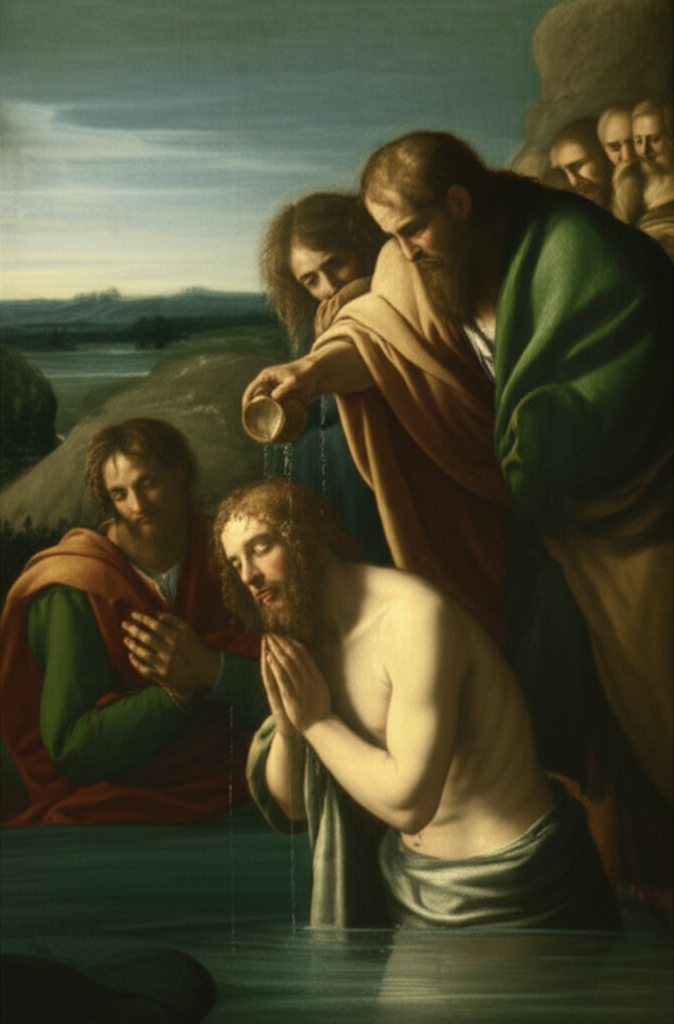
Custom, Convention, and the Language of the Sacred
The power of religious signs and symbols is not inherent in the material itself, but in the shared understanding and agreement established over generations through custom and convention. Within a religious community, these meanings are learned, taught, and reinforced through repeated ritual practice. This collective agreement transforms simple objects or actions into potent carriers of spiritual truth.
Consider the act of prayer: the specific words, gestures, and postures are not arbitrary. They are part of a sacred language that allows individuals to communicate with the divine, and also to communicate their faith and belonging to their community. This language, rich with symbolic resonance, transcends mere propositional statements, engaging the whole person—intellect, emotion, and will—in the act of worship. It's a testament to the human need to express the ineffable, to give form to the formless, and to find shared meaning in the face of mystery.
The Power of the Ritual Act
Religious rituals are dynamic enactments where signs and symbols coalesce to create profound experiences. They are not simply representations of belief, but often believed to be actual participations in the sacred reality they signify. Through the ritual, the symbolic becomes real, the past becomes present, and the divine becomes accessible. This transformative power is crucial for:
- Conveying Transcendence: Symbols bridge the gap between the earthly and the divine, making abstract theological concepts tangible.
- Evoking Emotion: The evocative nature of symbols stirs deep emotions, fostering awe, reverence, humility, and joy.
- Fostering Communal Identity: Shared understanding and participation in symbolic rituals bind individuals into a cohesive community, reinforcing their collective identity and purpose.
In essence, sign and symbol are the fundamental building blocks of religious experience, shaping our understanding of the divine, guiding our actions, and connecting us to a heritage far older and deeper than ourselves. They are the enduring language through which the sacred continues to speak to humanity.
📹 Related Video: PLATO ON: The Allegory of the Cave
Video by: The School of Life
💡 Want different videos? Search YouTube for: ""Great Books of the Western World on Language and Meaning""
📹 Related Video: What is Philosophy?
Video by: The School of Life
💡 Want different videos? Search YouTube for: ""The Philosophy of Ritual and Symbolism""