

Poetry as a Form of Imitation: Echoes of Reality and the Mind's Craft
Poetry, often celebrated as a pinnacle of human expression, finds its philosophical bedrock in the ancient concept of mimesis, or imitation. Far from being a mere copy, poetic imitation is a profound engagement with reality, mediated by the poet's Memory and Imagination. This article delves into how Poetry functions as a Form of imitation, exploring its historical interpretations and its enduring significance in understanding Art and the human condition.
The Ancient Echoes: Unpacking Mimesis in Poetry
From the earliest philosophical inquiries into Art, the notion of imitation has been central to understanding creative endeavors, and Poetry stands as a prime example. The ancient Greeks, particularly through the lens of thinkers found in the Great Books of the Western World, grappled with mimesis not as a simple replication, but as a complex process of representation. Whether depicting heroic deeds, profound emotions, or the natural world, the poet's craft has always involved an act of mirroring, albeit a highly stylized and interpretive one. This foundational understanding sets the stage for appreciating poetry's unique relationship with the world it seeks to portray.
Plato's Critique: Poetry Thrice Removed
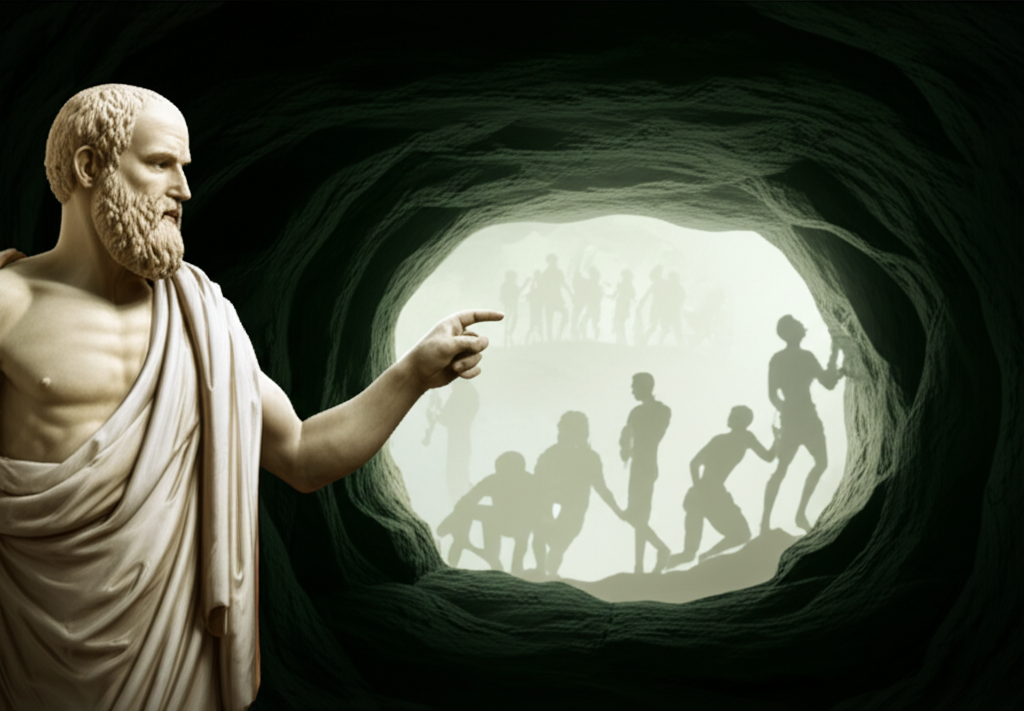
For some classical philosophers, the imitative nature of Poetry raised significant concerns regarding its truthfulness and moral utility. The argument often posited that Form exists in a transcendent realm, and the physical world we perceive is merely an imitation of these ideal Forms. Consequently, Art, including Poetry, which imitates the physical world, becomes an imitation of an imitation – thrice removed from ultimate reality. This perspective casts the poet as someone who deals in appearances rather than truth, potentially misleading the audience by presenting shadows as substance.
Aristotle's Affirmation: Imitation as Learning and Catharsis
In contrast to the Platonic critique, other profound thinkers offered a more nuanced and ultimately affirming view of imitation. For them, Poetry is not merely copying, but a powerful means by which humans learn and derive pleasure. Imitation is seen as a natural human instinct, essential for understanding the world around us. Through Art, including the various Forms of Poetry, we can imitate actions, characters, and emotions, allowing us to explore universal truths and possibilities. This process can lead to catharsis, a purgation of emotions, and a deeper understanding of human experience. The poet, in this view, doesn't just copy particulars but reveals universals, making the imitation a source of profound insight and emotional release.
The Poet's Workshop: Memory and Imagination
The act of poetic imitation is far from a passive transcription; it is an active, transformative process deeply rooted in the poet's internal landscape of Memory and Imagination. The poet does not merely hold up a mirror to reality but filters it through their unique subjective experience.
- Memory: The poet draws upon a vast reservoir of lived experiences, observations, readings, and cultural narratives. These memories provide the raw material, the concrete details and emotional textures that lend authenticity to the imitation. It's not just recalling facts, but remembering sensations, feelings, and the nuances of human interaction.
- Imagination: This is where the magic happens. Imagination allows the poet to take these remembered fragments and reassemble them, to extrapolate, invent, and envision possibilities that may not exist in the immediate physical world. It enables the poet to create new Forms from existing elements, to imbue the imitated reality with symbolic meaning, and to explore hypothetical scenarios or idealized versions of truth.
Together, Memory and Imagination allow the poet to craft an imitation that is both recognizable and novel, reflecting reality while simultaneously re-shaping and re-interpreting it.
Diverse Forms of Poetic Imitation
The concept of imitation manifests in various Forms within Poetry:
| Form of Imitation | Description | Example |
|---|---|---|
| Narrative Imitation | The poet imitates actions, events, and characters through storytelling, often in epic or ballad Forms. The focus is on recounting a sequence of happenings. | An epic poem recounting the journey of a hero, imitating the trials and triumphs of a human quest. |
| Dramatic Imitation | The poet imitates characters speaking and acting directly, without authorial narration. This is the essence of dramatic Poetry and plays, where the poet disappears behind the voices of the characters. | A soliloquy where a character expresses inner turmoil, imitating the internal monologue and emotional state of a person. |
| Lyrical Imitation | The poet imitates feelings, thoughts, and states of mind, often expressed through a speaker's subjective voice. While not narrating events, it imitates the Form of an emotional or intellectual experience. | A sonnet expressing profound love or sorrow, imitating the intricate patterns of human affection or grief. |
| Descriptive Imitation | The poet imitates sensory details of the natural world or specific objects, aiming to evoke a vivid mental image for the reader. | A poem detailing the intricate beauty of a sunset or the delicate structure of a flower, imitating visual and atmospheric qualities. |
These Forms demonstrate the versatility of poetic imitation, proving it to be a dynamic rather than static process.
Beyond Mere Copying: The Creative Act of Imitation
Ultimately, to understand Poetry as a Form of imitation is to recognize the profound creative act involved. It is not about producing a photographic replica, but about engaging with the essence of reality, distilling it, and presenting it anew through the unique lens of the poet. The poet, drawing upon Memory and Imagination, selects, arranges, and interprets, creating an Artifice that illuminates truth in a way that direct observation often cannot. In this sense, poetic imitation is a powerful tool for understanding ourselves and the world, forging a bridge between the tangible and the ineffable.
📹 Related Video: PLATO ON: The Allegory of the Cave
Video by: The School of Life
💡 Want different videos? Search YouTube for: "Plato on Art and Imitation"
📹 Related Video: ARISTOTLE ON: The Nicomachean Ethics
Video by: The School of Life
💡 Want different videos? Search YouTube for: "Aristotle Poetics Mimesis Catharsis"