

Echoes of Reality: Poetry as a Form of Imitation
Poetry, one of humanity's most enduring and profound art forms, has long been understood through the lens of imitation. From the classical philosophers to modern aestheticians, the idea that poetry mimics or represents aspects of reality has been a cornerstone of its analysis. This article explores how poetry functions as a sophisticated form of imitation, leveraging Memory and Imagination to craft unique Forms that reflect, interpret, and sometimes even anticipate the world around us, thereby elevating it beyond mere replication to a profound act of Art.
The Ancient Roots of Poetic Mimesis
The concept of mimesis, or imitation, as applied to Art and Poetry, finds its earliest and most influential expressions in the works of Plato and Aristotle, foundational texts within the Great Books of the Western World. Their contrasting perspectives laid the groundwork for centuries of philosophical debate.
Plato's Critique: A Copy of a Copy
For Plato, particularly in his Republic, Poetry and other mimetic arts were viewed with suspicion. He argued that the sensible world we inhabit is itself an imitation of the perfect, eternal Forms. An artist, in turn, imitates this sensible world, creating a "copy of a copy." This places Poetry "thrice removed from the truth," making it potentially deceptive and morally corrupting, appealing to emotions rather than reason. For Plato, the Form of the poem, while beautiful, merely reflected an imperfect reality, further obscuring the true essence of things.
Aristotle's Defense: Imitation of Universal Truths
Aristotle, in his Poetics, offered a more nuanced and ultimately more favorable view. He agreed that Poetry is a Form of imitation, but for him, this imitation was not merely a passive replication of individual events. Instead, Poetry imitates actions and characters, revealing universal truths about human nature and experience. Aristotle argued that poetry is "more philosophical and of graver import than history, for poetry tends to express the universal, history the particular." Through imitation, poetry allows us to learn, to experience catharsis, and to understand the potential of human existence – not just what is, but what might be or ought to be.
Beyond Simple Replication: Memory and Imagination
The imitative nature of Poetry is not about photographic reproduction; rather, it is a complex process deeply intertwined with Memory and Imagination. A poet doesn't just copy what they see; they interpret, reshape, and imbue it with new meaning.
- Memory as the Wellspring: Poets draw extensively from their Memory – not just personal recollections, but also collective memories, historical narratives, and cultural archetypes. These remembered experiences, emotions, observations, and stories provide the raw material. The poet recalls the feeling of loss, the sight of a particular landscape, or the rhythm of a conversation, and these memories become the initial spark for imitation.
- Imagination as the Architect: Imagination then takes these remembered fragments and reconstructs them, combines them in novel ways, and projects them into new Forms. It allows the poet to:
- Empathize: Imagine the feelings or perspectives of others.
- Symbolize: Create symbols that represent deeper truths or emotions.
- Invent: Construct entirely new scenarios or worlds that, nonetheless, resonate with human experience.
- Shape: Give structure and coherence to disparate elements, forging a new reality within the poem.
This interplay ensures that poetic imitation is always transformative. It filters reality through a subjective lens, creating something that is both familiar and utterly unique.
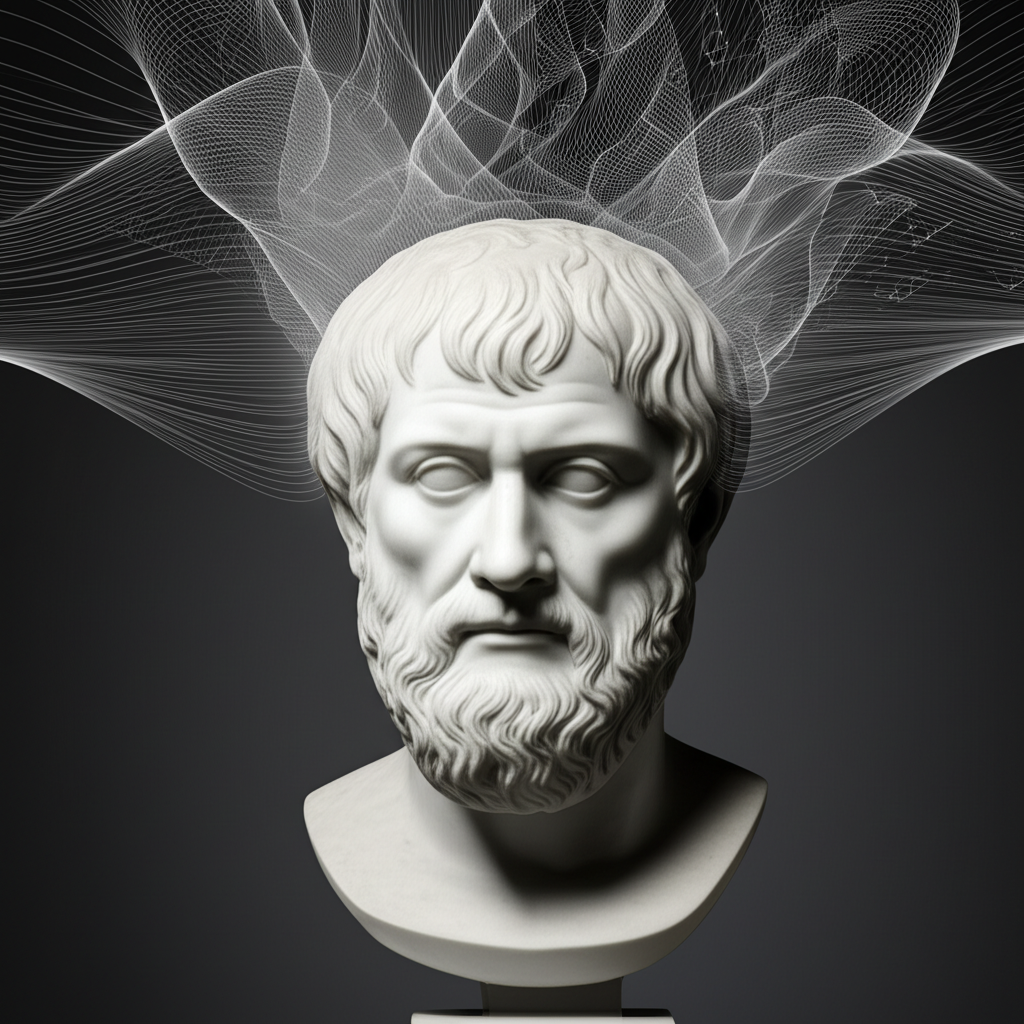
The Form of Imitation: How Poetry Reflects Reality
The Form of a poem—its structure, rhythm, meter, language, and rhetorical devices—is integral to its imitative function. It's not just what is imitated, but how it's imitated that defines the poetic act.
Consider the various ways Form contributes to imitation:
| Aspect of Poetic Form | How it Imitates Reality | Example (Conceptual) |
|---|---|---|
| Rhythm and Meter | Mimics natural speech patterns, heartbeats, the flow of water, or the cadence of emotion. | A rapid, staccato rhythm might imitate anxiety; a slow, flowing meter, the gentle passage of time. |
| Imagery | Creates vivid mental pictures, appealing to sensory experiences, imitating the visual, auditory, tactile world. | "The crimson sun bled into the horizon" imitates a visual experience; "The wind whispered secrets" imitates an auditory one. |
| Metaphor & Simile | Draws connections between disparate things, imitating underlying relationships or similarities in the world. | "Life is a journey" imitates the progression and challenges of existence by comparing it to travel. |
| Narrative Structure | Imitates the progression of events, the unfolding of human actions, or the development of ideas. | A ballad tells a story, imitating a sequence of events, much like life itself. |
| Sound Devices (Alliteration, Assonance) | Mimic natural sounds, create atmosphere, or emphasize certain words, imitating the sonic qualities of reality. | The "s" sound in "slippery slope" imitates the sensation of sliding. |
Through these formal choices, poets don't just describe reality; they reconstruct it, allowing the reader to experience it anew. The poem itself becomes a crafted world, an alternate reality that imitates fundamental aspects of human existence, emotions, and the physical world.
The Enduring Relevance of Poetic Imitation
The concept of Poetry as a Form of imitation remains profoundly relevant for understanding Art today. Even in an era of abstract art or experimental poetry, the underlying principle holds: artists, in some way, are always engaging with reality. Whether they are imitating:
- External Reality: The visible world, events, people.
- Internal Reality: Emotions, thoughts, dreams, subconscious states.
- Ideal Reality: What could be, ought to be, or a perfected vision.
Poetry, as a unique Art Form, offers a powerful means to explore these different layers of reality. It challenges us to look beyond the surface, to engage our own Memory and Imagination, and to find meaning in the carefully constructed echoes of the world presented by the poet. By imitating, poetry doesn't just reflect; it illuminates, interprets, and transforms our understanding of existence.
📹 Related Video: PLATO ON: The Allegory of the Cave
Video by: The School of Life
💡 Want different videos? Search YouTube for: "Plato Aristotle Mimesis Philosophy Art"
📹 Related Video: KANT ON: What is Enlightenment?
Video by: The School of Life
💡 Want different videos? Search YouTube for: "The Role of Imagination in Poetry and Creative Writing"