

In Plato’s time, music wasn’t just entertainment; it was a critical part of one’s moral and intellectual development. Plato believed that certain harmonies and rhythms could shape character, encouraging qualities like self-restraint, bravery, and wisdom. In his philosophy, music had the power to cultivate the soul’s virtues by resonating with our internal sense of order and beauty. This view feels especially relevant in a world that is filled with discord and noise, where true harmony—within oneself and within society—can be elusive. Just as a well-composed piece of music can lift our spirits and soothe our minds, a soul in harmony can bring balance to our daily lives.
Imagine, for instance, the music we surround ourselves with every day, from the energizing rhythm of a morning workout playlist to the reflective tunes we choose to unwind in the evening. Plato would suggest that our musical choices subtly sculpt our characters, fostering qualities that may stay with us long after the last note fades. In that sense, the sounds we absorb have the potential to shape not only how we feel but also how we approach life’s challenges. This week, we explore Plato’s philosophy of music as a guide for personal growth, an idea that continues to resonate centuries after his time.
From the Archives of Ancient Greece: Featuring Dr. Michael Sugrue
Dr. Michael Sugrue illuminates Plato’s insights into music, showing how he saw it as essential to the education of the soul. Plato’s Republic doesn’t just advocate for musical training as an extra skill; he envisions it as foundational. Sugrue points out that, for Plato, music represented a structure for inner discipline and self-control, much like the mathematical ratios governing musical harmony. Through this lens, every note and every rhythm becomes a subtle teacher, guiding us toward a more ordered soul. Plato would argue that harmonious music brings harmony to our own lives, instilling in us a sense of rhythm that aligns with the cosmos.
To bring this concept to life, Dr. Sugrue uses the example of Spartan music, known for its simplicity and directness, which reflected and reinforced Spartan values of discipline and courage. In contrast, Athenian music embraced a wider range of expression, echoing the city’s more open and philosophical culture. Sugrue’s reflections remind us that our own musical preferences may mirror and even reinforce our character traits and values. We invite readers to explore these ideas further on planksip.org, where the personification of Plato offers an ideal worth imagining and engaging with.
Insights from the Dialogues: Quoting Plato
In The Republic (401d-402a), Plato eloquently expresses his belief in the power of music, stating, "Musical training is a more potent instrument than any other because rhythm and harmony find their way into the inward places of the soul." For Plato, music wasn’t just about melody; it was about cultivating a deeper sense of inner harmony. Think about a song that has deeply moved you—perhaps it mirrored your own thoughts and emotions or brought clarity to a difficult moment. Plato would argue that this isn’t coincidental. The patterns and rhythms that resonate within us reveal something about our inner world, drawing our minds and hearts into a more balanced, thoughtful state.
In modern terms, we might see this as a kind of emotional regulation. Just as music therapy today is used to ease anxiety or elevate mood, Plato believed that music could guide the soul toward a calmer, more reasoned state. Imagine if each song on your playlist had a purpose beyond enjoyment, subtly shaping your disposition and refining your virtues. This notion of music as soul-shaping provides a fascinating lens for reflecting on our own musical experiences and choices.
Chance and Fate: Exploring Ancient Games
Music’s role in Greek life extended to rituals and games, where melodies accompanied symbolic acts of chance, representing cosmic balance. In ancient Greece, games like knucklebones or dice often took place alongside music, creating a blend of harmony and fate. Imagine a gathering where the casting of dice and the plucking of strings combined in one ritual, linking luck and the soul’s rhythm. These games reminded players that life’s twists and turns, like notes on a scale, can shift unexpectedly—yet harmony can still be found within chaos.
Explore the Mystical World of Astraguli: Ancient Games of Chance with Cultural Significance.
Today, we can draw parallels to how people use music as an accompaniment to different life activities, whether it's sports, studying, or meditation. Just as the Greeks saw fate and music as intertwined, we might consider how the soundtracks of our lives influence the “games” we play—our decisions, ambitions, and the paths we choose to pursue. On planksip.org, we delve into how these ancient practices continue to echo in our lives, inviting you to reflect on how music influences your own journey.
Virtues Revisited: Practical Lessons for Today
Plato’s philosophy of music aligns closely with the virtue of temperance, a quality he prized for its power to bring balance and self-restraint. In his view, just as music harmonizes disparate notes into a unified piece, temperance harmonizes desires and reason, creating a life that feels complete and well-orchestrated. Think about how often we turn to music to soothe us, energize us, or simply help us focus. Each choice reflects a desire for equilibrium, a way to “tune” ourselves to meet the moment with intention.
Today, temperance might mean choosing to listen to music that calms rather than agitates or opting for rhythms that inspire focus rather than distraction. By consciously selecting music that aligns with our intentions, we engage in a modern form of Plato’s practice, bringing harmony to our day. This week on planksip.org, we invite readers to share their experiences with music that has helped cultivate balance in their lives, drawing connections between ancient virtues and contemporary practices.
Engage with Us: Reader’s Corner
How does music shape your character? Have you found certain genres, rhythms, or melodies that resonate more deeply with you or that influence your decisions? In what ways do you believe your musical choices might align with Plato’s ideas on music as a shaper of the soul? We would love to hear your reflections and experiences. Selected responses will be featured in next week’s issue. Join the conversation on planksip.org and become part of a community that values philosophical exploration and the timeless insights of Plato.
Closing Reflection: Socrates’ Enduring Legacy
Reflecting on Plato’s thoughts on music and the soul reminds us that true harmony, like wisdom, is a lifelong pursuit. Just as Socrates sought balance between reason and desire, Plato’s vision of musical harmony encourages us to seek alignment in our lives. The question remains: how might we tune ourselves to find that delicate balance between our passions and our rational selves? Plato’s philosophy reminds us that harmony, both within and around us, is an ideal worth striving for.
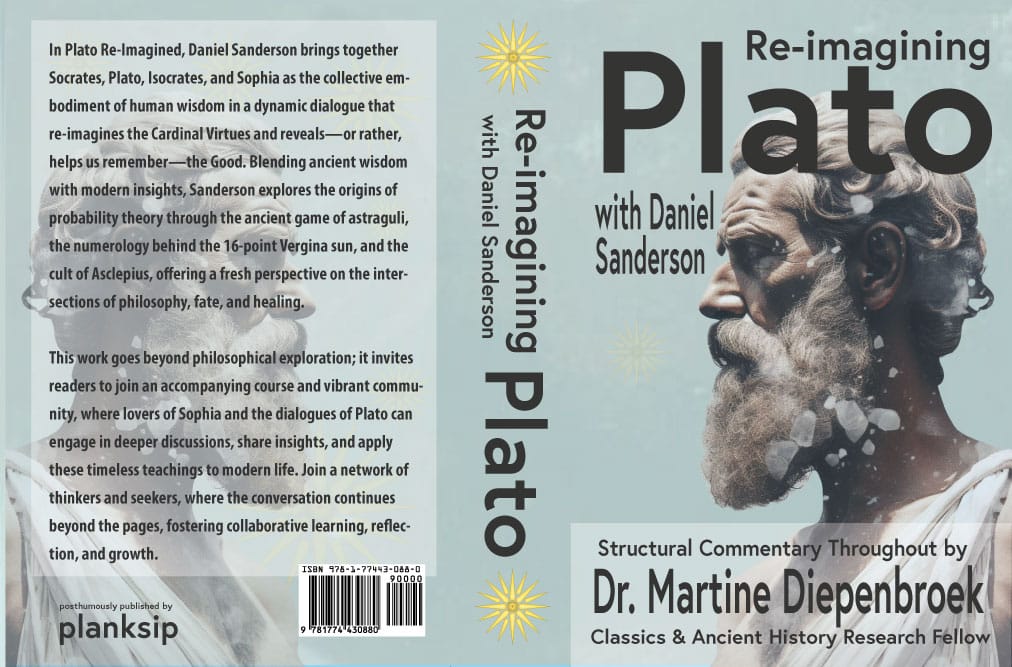
Plato Re-Imagined
This course offers 32 comprehensive lectures exploring most of Plato's dialogues. These lectures guide students toward a consilient understanding of the divine—a concept that harmonizes knowledge across disciplines and resonates with secular and religious leaders. As a bonus, Lecture #33 focuses on consilience, demonstrating how different fields of knowledge can converge to form a unified understanding.


