

Philosophy as the Pursuit of Wisdom: An Enduring Quest for Understanding
Philosophy, at its heart, is not merely an academic discipline but a profound and enduring human endeavor: the love of wisdom. It is a quest that transcends the accumulation of knowledge and strives for a deeper comprehension of Being, purpose, and the fundamental truths that govern existence. This journey, explored through millennia by some of the greatest minds documented in works like the Great Books of the Western World, invites us to question, reflect, and ultimately, to live a more examined and meaningful life.
The Etymology of an Ideal: Unpacking Philosophia
The very word "philosophy" is a testament to its core mission. Derived from the ancient Greek, it combines philo (love) with sophia (wisdom). This isn't just an arbitrary label; it's a declaration of intent. From the earliest pre-Socratic thinkers, who grappled with the nature of the cosmos and the essence of Being, to the towering figures of Plato and Aristotle, the pursuit was never solely about acquiring facts. It was about understanding the underlying principles, the "why" behind the "what."
While sophia implies deep insight and understanding, it's crucial to distinguish it from episteme, which refers more directly to scientific or systematic knowledge. Philosophy seeks to synthesize diverse forms of knowledge into a coherent worldview, aiming for a holistic understanding that informs how we live, act, and perceive reality.
Wisdom vs. Knowledge: A Crucial Distinction
To truly appreciate philosophy's pursuit, we must illuminate the difference between knowledge and wisdom.
- Knowledge can be defined as the acquisition of facts, information, skills, and understanding gained through experience or education. It is often specific, measurable, and can be specialized. One can possess vast knowledge in a particular field—say, quantum physics or ancient history—without necessarily being wise. The Great Books of the Western World are replete with examples of profound knowledge across various domains.
- Wisdom, conversely, transcends mere information. It is the ability to apply knowledge effectively, to discern what is true and important, to understand the deeper implications of facts, and to make sound judgments, especially in matters of life and conduct. Wisdom involves insight, discernment, good judgment, and an understanding of human nature and the nature of Being. It is about seeing the bigger picture, connecting disparate pieces of knowledge, and understanding their significance in the grand tapestry of existence.
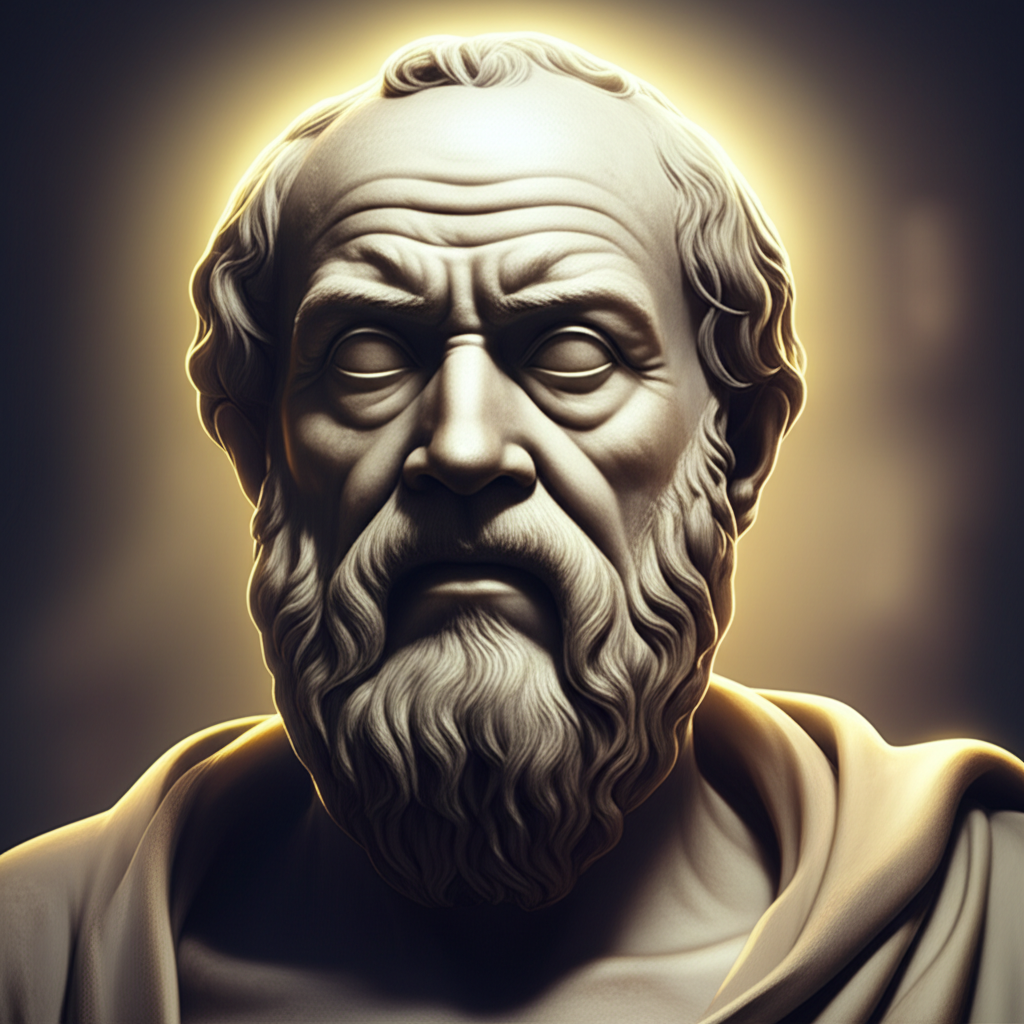
Consider the teachings of Socrates, a central figure in the Great Books. He famously claimed to know only that he knew nothing, yet he is universally regarded as a paragon of wisdom. His wisdom lay not in possessing countless facts, but in his profound self-awareness, his relentless questioning, and his understanding of the limits of human knowledge.
The Philosophical Method: How Wisdom is Pursued
The pursuit of wisdom is not a passive endeavor; it requires active engagement and a particular approach. Philosophers, through the ages, have refined methods to delve into the mysteries of Being and existence.
- Critical Inquiry and Questioning: At its core, philosophy begins with questioning assumptions. Why do we believe what we believe? What is the basis for our values? This Socratic method challenges us to examine our fundamental beliefs.
- Logical Reasoning and Argumentation: Philosophy employs rigorous logic to construct arguments, evaluate propositions, and identify fallacies. It seeks coherence and consistency in thought.
- Contemplation and Reflection: Beyond active debate, philosophy involves deep, solitary reflection on complex ideas, ethical dilemmas, and the nature of reality. It's in these quiet moments that insights into Being often emerge.
- Conceptual Analysis: Philosophers meticulously examine the meaning and implications of concepts like truth, justice, beauty, freedom, and Being itself, seeking clarity and precision.
These methods are evident throughout the Great Books of the Western World, from Plato's dialogues demonstrating dialectical reasoning to Aristotle's systematic logical treatises.
Key Figures and Their Contributions to the Pursuit of Wisdom
The history of philosophy is a lineage of individuals dedicated to this profound quest.
- Socrates (c. 470–399 BCE): His relentless questioning aimed to expose ignorance and guide individuals toward self-knowledge and virtue, believing that wisdom was the key to a good life. His famous dictum, "The unexamined life is not worth living," is a direct call to philosophical self-reflection.
- Plato (c. 428–348 BCE): A student of Socrates, Plato's theory of Forms posited an eternal, unchanging realm of perfect ideas, which true wisdom sought to grasp. His Allegory of the Cave illustrates the journey from ignorance and mere opinion to the light of genuine philosophical insight.
- Aristotle (384–322 BCE): Plato's student, Aristotle embarked on a monumental project to categorize and understand all forms of knowledge. His ethical works, particularly the Nicomachean Ethics, define wisdom (phronesis and sophia) as essential for human flourishing and understanding the ultimate purpose of our Being.
- Later Thinkers: From Augustine's theological wisdom to Descartes' quest for certainty, Kant's analysis of pure reason, and the existentialists' grappling with freedom and responsibility, the pursuit of wisdom has continuously evolved, adapting to new challenges and expanding our understanding of Being and our place within it.
Each of these thinkers, whose seminal works are cornerstones of the Great Books of the Western World, contributed distinct perspectives to what it means to live wisely and understand the deep nature of reality.
Why Wisdom Matters Today
In an age of unprecedented information overload, where knowledge is instantly accessible yet often fragmented, the pursuit of wisdom is more critical than ever.
- Navigating Complexity: Wisdom helps us sift through vast amounts of information, discern truth from falsehood, and make sense of complex global challenges.
- Ethical Decision-Making: It provides a framework for grappling with moral dilemmas, guiding us toward choices that are not just expedient but also just and good.
- Personal Growth and Meaning: By encouraging self-reflection and the examination of fundamental questions about Being, purpose, and value, philosophy helps individuals cultivate a richer, more meaningful existence.
- Understanding Our Shared Humanity: The philosophical quest for universal truths fosters empathy and a deeper understanding of the human condition across cultures and epochs.
Ultimately, philosophy as the pursuit of wisdom is an invitation to engage fully with life, to seek not just answers, but understanding, not just facts, but insight, and not just existence, but meaningful Being. It is a journey that enriches the individual and enlightens humanity.
📹 Related Video: What is Philosophy?
Video by: The School of Life
💡 Want different videos? Search YouTube for: ""What is Wisdom? Philosophy Explained""
📹 Related Video: What is Philosophy?
Video by: The School of Life
💡 Want different videos? Search YouTube for: ""Great Books of the Western World: Philosophy and Meaning""