

Philosophy as the Pursuit of Wisdom: A Timeless Journey into Understanding
Summary: At its very heart, philosophy is the love of wisdom. Far from being a mere academic exercise, it represents humanity's enduring quest to understand existence, distinguish truth from falsehood, and cultivate a life guided by profound insight rather than superficial knowledge. This article delves into how philosophy, as championed by the great thinkers across history, serves as the ultimate pursuit of wisdom, illuminating the nature of Being and our place within it.
Introduction: The Enduring Quest for Sophia
From the ancient academies of Greece to the bustling intellectual hubs of today, the call to philosophy has always been a call to wisdom. The very etymology of the word—philosophia, from the Greek philos (love) and sophia (wisdom)—underscores its fundamental purpose. It is not merely about accumulating facts or mastering specific disciplines, but about a deeper, more profound engagement with the entirety of existence. The pages of the Great Books of the Western World are replete with the dialogues, treatises, and meditations of those who dedicated their lives to this very pursuit, urging us to look beyond the immediate and question the fundamental fabric of reality.
Beyond Mere Knowledge: Differentiating Wisdom
Often, knowledge and wisdom are conflated, yet they represent distinct stages in our intellectual and existential development. While knowledge is undoubtedly valuable, wisdom transcends it, offering a more holistic and profound understanding.
The Nature of Knowledge:
- Definition: The acquisition of facts, information, data, and skills through experience or education.
- Focus: What is known; specific truths, theories, or methodologies.
- Acquisition: Learning, memorization, research, observation.
- Outcome: Competence, factual recall, understanding of specific domains.
The Depth of Wisdom:
- Definition: The ability to apply knowledge effectively, make sound judgments, understand the deeper implications of facts, and discern the ultimate principles governing Being.
- Focus: How to live; the meaning and purpose behind facts, the interconnectedness of all things.
- Acquisition: Reflection, experience, critical thinking, introspection, moral reasoning.
- Outcome: Insight, prudence, ethical living, profound understanding, equanimity.
Consider the difference: one might have extensive knowledge of physics, understanding the laws of motion and energy. But wisdom would involve understanding the philosophical implications of these laws for human existence, the ethical considerations of their application, or the humility required to acknowledge the vast unknown.
| Aspect | Knowledge | Wisdom |
|---|---|---|
| Foundation | Facts, information, data | Understanding, insight, judgment |
| Scope | Specific, compartmentalized | Holistic, interconnected, universal |
| Purpose | To inform, to instruct | To guide, to illuminate, to transform |
| Outcome | Expertise, technical skill | Prudence, ethical living, profound understanding |
| Relation to Being | Describes aspects of Being | Comprehends the essence and purpose of Being |
The Philosopher's Gaze: Grappling with Being
The journey toward wisdom inherently involves grappling with the fundamental questions of Being—what it means to exist, the nature of reality, and the essence of ourselves and the cosmos. From the pre-Socratics pondering the primal substance of the universe to modern existentialists questioning the meaning of life, philosophy has consistently pushed the boundaries of human comprehension.
Socrates, Plato, and the Examined Life
Socrates, as depicted in Plato's dialogues, epitomized the pursuit of wisdom through relentless questioning. His famous dictum, "the unexamined life is not worth living," underscores the philosophical imperative to critically evaluate one's beliefs, values, and actions. He sought not to impart knowledge but to expose ignorance, thereby clearing the path for genuine wisdom. Plato, his student, built upon this foundation, proposing a realm of perfect Forms, suggesting that true Being and ultimate wisdom lie beyond the sensory world, accessible only through rigorous intellectual and moral training. Their works, cornerstones of the Great Books, invite us to embark on this very journey of self-discovery and intellectual ascent.
Aristotle's Teleological Insights
Aristotle, another towering figure from the Great Books, approached wisdom with a keen eye on the empirical world. While acknowledging the importance of theoretical contemplation (the highest form of human activity, in his view), he also emphasized practical wisdom (phronesis). For Aristotle, understanding the telos—the ultimate purpose or end—of things was crucial. To understand the Being of a human, for instance, was to understand their function and ultimate good, leading to a life lived in accordance with virtue and reason. His comprehensive philosophical system sought to provide a framework for understanding all aspects of existence, from metaphysics to ethics, all in service of a life well-lived, a life of wisdom.
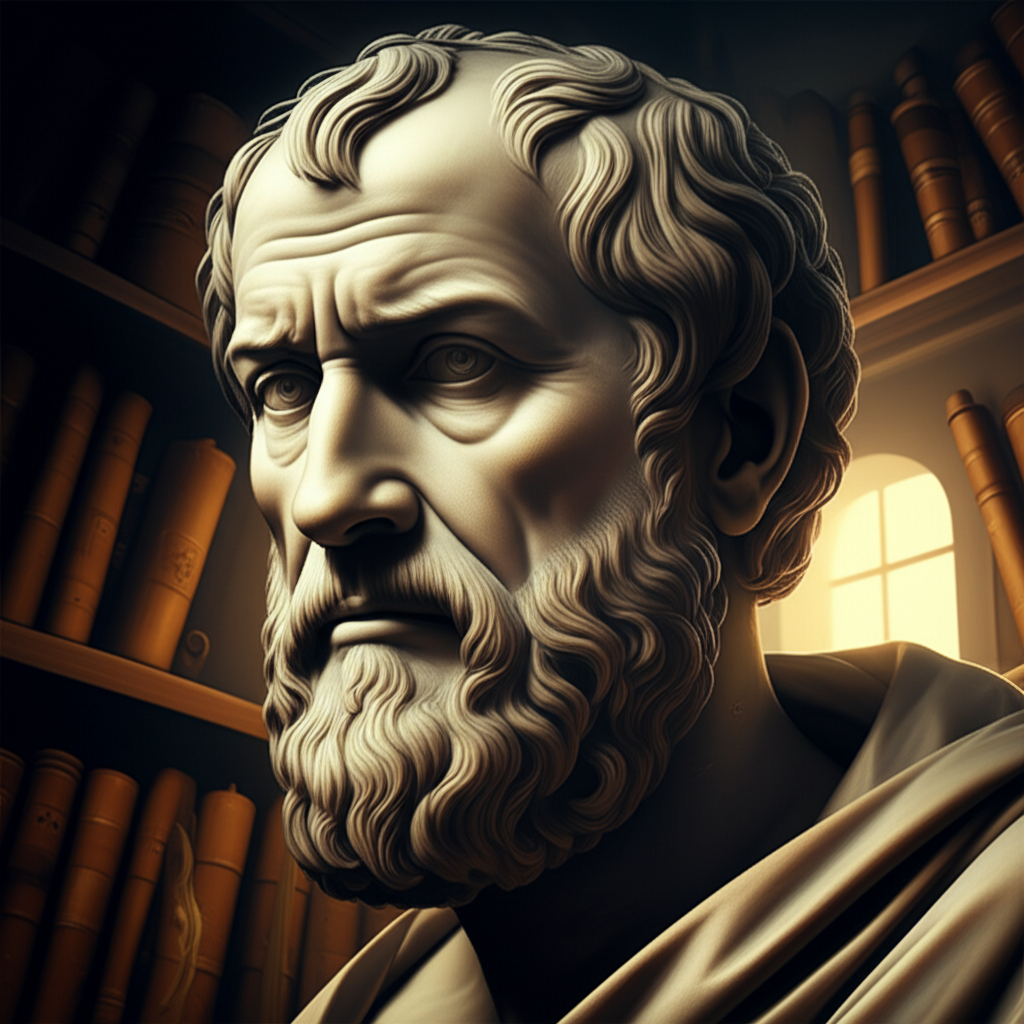
Wisdom in Action: Living a Thoughtful Life
The pursuit of wisdom is not an abstract endeavor confined to ivory towers; it is a profound commitment to living a thoughtful, ethical, and meaningful life. It guides our decisions, shapes our character, and informs our interactions with the world. A truly wise individual possesses not only intellectual understanding but also the moral fortitude to act in accordance with that understanding. They grasp the transient nature of existence, the interconnectedness of all Being, and the importance of virtue in navigating the complexities of human experience. This practical dimension of philosophy ensures its enduring relevance in our daily lives.
The Unfolding Tapestry: Wisdom as a Continuous Journey
Ultimately, wisdom is not a destination to be reached but an ongoing journey. It is a continuous process of learning, unlearning, reflecting, and growing. As we encounter new experiences, face new challenges, and expand our knowledge, our understanding of wisdom deepens and evolves. The philosophical endeavor is therefore a lifelong commitment, a persistent striving to better comprehend ourselves, others, and the vast, intricate tapestry of Being that surrounds us.
Conclusion: Embracing the Philosophical Path
Philosophy as the pursuit of wisdom remains as vital today as it was in ancient Greece. It offers us the tools to distinguish genuine insight from superficial knowledge, to grapple with the profound questions of Being, and to cultivate a life rich in meaning and purpose. By embracing the philosophical path, we commit ourselves to a journey of continuous discovery, fostering not just intellectual growth, but a deeper, more profound understanding of what it means to be truly human.
YouTube Video Suggestions:
- "Socrates pursuit of wisdom and knowledge"
- "What is philosophy according to Great Books of the Western World"
📹 Related Video: What is Philosophy?
Video by: The School of Life
💡 Want different videos? Search YouTube for: "Philosophy as the Pursuit of Wisdom philosophy"