

Philosophy: The Enduring Pursuit of Wisdom
At its heart, philosophy is not merely an academic discipline or a collection of dusty treatises; it is, quite literally, the love of wisdom. From its ancient Greek origins, "philo-sophia" has called humanity to a deeper engagement with existence, urging us beyond superficial understanding to grasp the fundamental truths of ourselves, the world, and our place within the grand tapestry of Being. This pursuit is a lifelong journey, a relentless questioning that seeks not just to accumulate knowledge, but to transform it into profound insight and a coherent way of living.
The Ancient Roots of a Timeless Quest
The very genesis of philosophical inquiry, as illuminated in the foundational texts of the Great Books of the Western World, reveals this fundamental orientation. Thinkers like Socrates, Plato, and Aristotle weren't content with myths or conventional beliefs; they demanded reasoned explanations, seeking to understand the essence of things.
From Philo-Sophia to the Love of Wisdom
The early Greek philosophers recognized a crucial distinction: while sophists claimed to possess wisdom, true philosophers acknowledged their limitations, instead dedicating themselves to its tireless pursuit. Socrates, famously, declared that his only wisdom lay in knowing that he knew nothing, thereby opening the door to genuine inquiry. This humble yet persistent questioning laid the groundwork for Western thought, establishing philosophy as the rigorous examination of fundamental questions about reality, morality, and the human condition. It is this intellectual humility, combined with an insatiable curiosity, that characterizes the philosophical spirit.
Distinguishing Wisdom from Mere Knowledge
One of the most vital contributions of philosophy is its insistence on differentiating between knowledge and wisdom. While often used interchangeably, these two concepts represent distinct levels of understanding.
- Knowledge can be defined as the accumulation of facts, information, and theories. It's about what is. We gain knowledge through study, experience, and empirical observation. For instance, knowing the chemical composition of water or the historical dates of a war constitutes knowledge.
- Wisdom, however, transcends mere information. It is the ability to apply knowledge effectively, to understand its deeper implications, to discern patterns, and to make sound judgments about life and values. Wisdom is about why things are, and how to live well in light of that understanding. It involves insight into the nature of Being itself, encompassing ethical considerations, self-awareness, and a profound grasp of the human condition.
Consider the following distinctions:
| Feature | Knowledge | Wisdom |
|---|---|---|
| Nature | Information, facts, theories | Insight, understanding, sound judgment |
| Focus | What is | Why it is, and how to live |
| Acquisition | Study, observation, data collection | Reflection, experience, critical application of knowledge |
| Outcome | Understanding of specifics | Holistic understanding, ethical living, purpose |
| Relationship to Being | Describes aspects of Being | Grapples with the ultimate nature and meaning of Being |
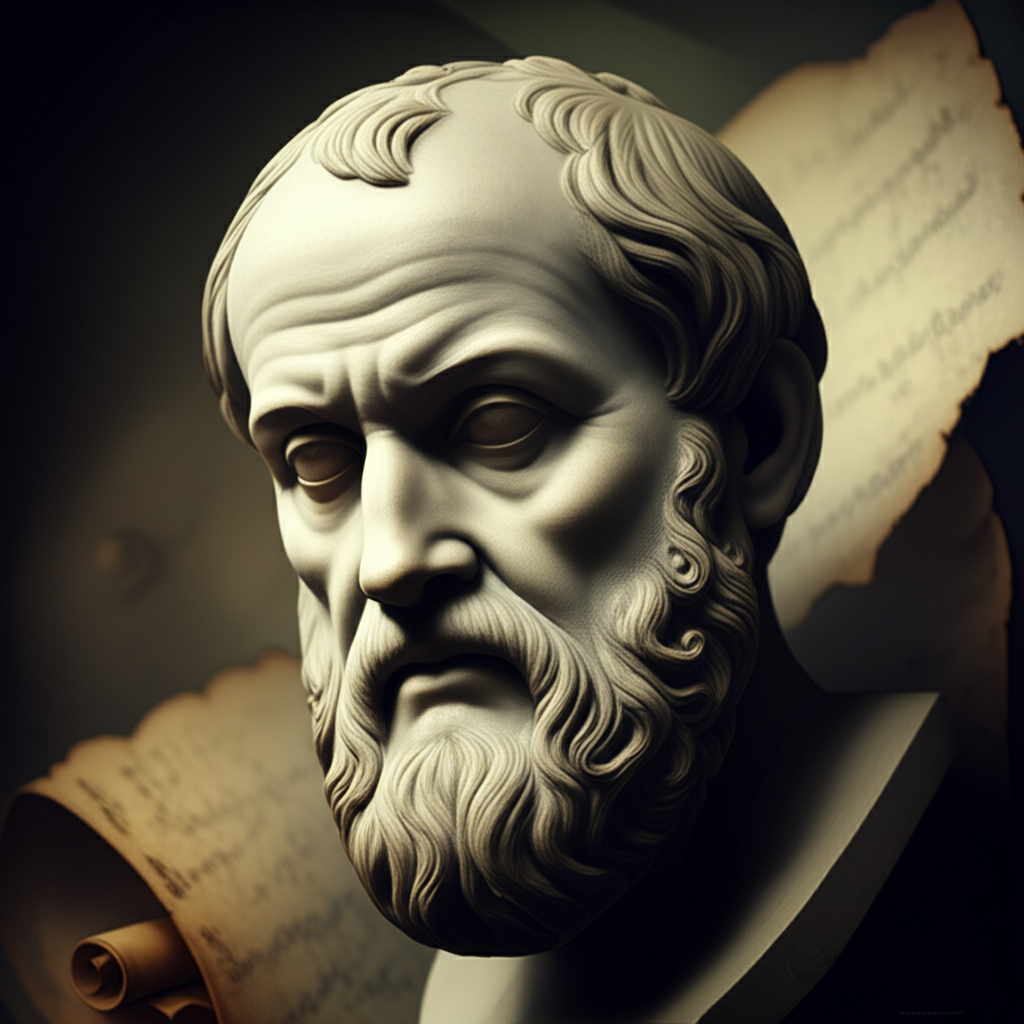
The Journey Towards Deeper Insight
The pursuit of wisdom through philosophy is not a destination but a continuous journey. It involves:
- Critical Thinking: Questioning assumptions, analyzing arguments, and evaluating evidence.
- Self-Reflection: Examining one's own beliefs, values, and motivations.
- Broad Inquiry: Engaging with diverse perspectives and exploring fundamental questions across various domains of human experience.
- Ethical Consideration: Applying insights to moral dilemmas and striving for a virtuous life.
Through this ongoing process, we move beyond simply knowing things to truly understanding them, integrating our knowledge into a coherent worldview that informs our actions and shapes our character. The great philosophical texts, from Plato's Republic to Kant's Critique of Pure Reason, serve not as definitive answers but as powerful catalysts for our own intellectual and ethical development, guiding us in our personal quest for wisdom and a deeper comprehension of Being.
YouTube: "What is Wisdom Philosophy"
YouTube: "Plato's Allegory of the Cave explained"
📹 Related Video: What is Philosophy?
Video by: The School of Life
💡 Want different videos? Search YouTube for: "Philosophy as the Pursuit of Wisdom philosophy"