

Philosophy: The Enduring Pursuit of Wisdom
Philosophy, at its very core, is not merely an academic discipline but a profound and timeless pursuit of wisdom. It is the journey of questioning, exploring, and understanding the fundamental nature of existence, knowledge, values, reason, mind, and language. This journey transcends the accumulation of facts, aiming instead for a deeper insight into the fabric of Being itself, guiding us toward a more meaningful and reflective life. From the ancient Greeks to contemporary thinkers, the love of wisdom has driven humanity's most profound inquiries.
The Ancient Roots of "Love of Wisdom"
The term "philosophy" originates from the Greek philosophia, meaning "love of wisdom." This etymology immediately sets the stage, distinguishing it from the simple acquisition of knowledge. While knowledge is undoubtedly a tool and a component of philosophy, wisdom is its ultimate goal. The earliest philosophers, figures like Thales, Heraclitus, and Pythagoras, were not just scientists or mathematicians; they were seekers of fundamental truths about the cosmos and humanity's place within it. They laid the groundwork for a tradition that would forever associate rigorous thought with the aspiration for deeper understanding.
Beyond Mere Knowledge: The Essence of Wisdom
What separates wisdom from knowledge?
- Knowledge is the acquisition of facts, information, and skills through experience or education. It answers "what" and "how."
- Wisdom is the ability to apply knowledge effectively, to discern what is true or right, to make sound judgments, and to understand the deeper implications of facts. It answers "why" and "should."
A person can possess vast knowledge without wisdom. Conversely, a truly wise individual often demonstrates a profound understanding of life, even if their specific factual knowledge is not encyclopedic. Philosophy, therefore, cultivates not just the intellect but also the character, encouraging critical thinking, ethical reflection, and an open mind.
The Great Books as Guides to Wisdom
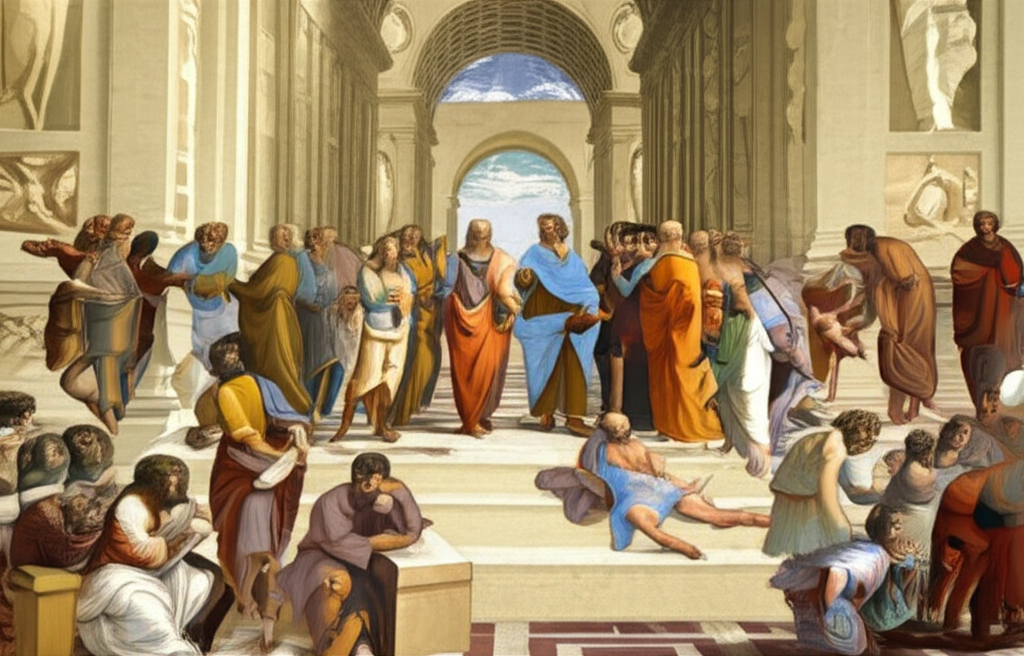
For centuries, the "Great Books of the Western World" have served as an invaluable repository of philosophical thought, chronicling humanity's persistent quest for wisdom. Within these pages, we encounter the titans who shaped our understanding of ourselves and the universe.
Consider these foundational contributions:
- Socrates: Through Plato's dialogues, we witness Socrates' relentless questioning – the Socratic method – designed not to impart knowledge but to expose ignorance and guide individuals toward self-discovery and ethical wisdom. His famous dictum, "The unexamined life is not worth living," encapsulates the philosophical imperative.
- Plato: His theory of Forms posits an ideal realm of perfect Being, suggesting that true knowledge and wisdom come from apprehending these eternal truths, not just the fleeting sensory world. His allegory of the cave powerfully illustrates the journey from ignorance to enlightenment.
- Aristotle: A profound empiricist, Aristotle sought wisdom through meticulous observation and logical analysis of the natural world and human society. His ethics, particularly the concept of the "golden mean," provide practical guidance for living a virtuous and wise life.
These thinkers, among countless others featured in the Great Books, demonstrate diverse approaches to the pursuit of wisdom, yet all share the common thread of rigorous inquiry and a commitment to understanding Being in its fullest sense.
The Quest for Understanding Being
Central to the philosophical pursuit of wisdom is the inquiry into Being. Metaphysics, a core branch of philosophy, grapples with questions such as:
- What is the nature of reality?
- What does it mean to exist?
- Is there a fundamental essence to things, or is everything constantly changing?
- What is the relationship between mind and matter?
By attempting to understand Being – whether it be the Being of the universe, of consciousness, or of morality – philosophy strives to provide a comprehensive framework for wisdom. It's about grasping the underlying principles that govern existence, leading to a more coherent and enlightened worldview.
Cultivating a Philosophical Mind
The pursuit of wisdom is not a passive endeavor; it requires active engagement. To cultivate a philosophical mind means:
- Questioning Assumptions: Never take things at face value. Ask "why" and "how do we know?"
- Critical Thinking: Analyze arguments, identify fallacies, and evaluate evidence with discernment.
- Open-mindedness: Be willing to consider new ideas and challenge your own beliefs.
- Reflective Practice: Regularly contemplate your experiences, values, and decisions.
- Engaging with Diverse Perspectives: Read widely, listen attentively, and engage in thoughtful dialogue.
This ongoing process of inquiry and reflection is the very essence of philosophical living, moving us closer to genuine wisdom.
Conclusion
Philosophy is, and always has been, the dedicated pursuit of wisdom. It is a journey that demands intellectual rigor, ethical reflection, and an insatiable curiosity about the nature of knowledge and Being. By engaging with the profound questions posed by thinkers throughout history, particularly those enshrined in the "Great Books," we embark on a transformative path. This path leads not just to a greater understanding of the world, but to a deeper, more meaningful existence, guided by the light of wisdom.
📹 Related Video: What is Philosophy?
Video by: The School of Life
💡 Want different videos? Search YouTube for: ""Introduction to Philosophy: What is Wisdom?""
📹 Related Video: SOCRATES ON: The Unexamined Life
Video by: The School of Life
💡 Want different videos? Search YouTube for: ""Socrates and the Examined Life""