

Medicine and the Maintenance of Life: A Philosophical Inquiry
Medicine, at its core, is often perceived as a practical science aimed at preserving health and extending existence. Yet, a deeper philosophical gaze reveals that its role transcends mere biological maintenance. This article explores how medicine, from ancient healing arts to modern scientific marvels, fundamentally shapes our understanding of Life and Death, the nature of the Body, and the very essence of human flourishing. It delves into the profound ethical dilemmas and existential questions that arise when humanity wields the power to alter its biological destiny, drawing insights from the rich tapestry of Western thought.
The Enduring Quest: Medicine as a Philosophical Endeavor
From the moment early humans sought remedies for ailments, medicine has been inextricably linked with our most fundamental philosophical questions. What is life? What constitutes health? What is our relationship to suffering and mortality? These are not solely scientific queries but deeply philosophical ones, shaping our worldview and our place within the natural order. Medicine, therefore, isn't just a collection of techniques; it's a testament to humanity's ongoing dialogue with its own fragility and its relentless pursuit of meaning in the face of impermanence.
I. The Ancient Roots: Healing, Harmony, and the Soul
Long before the advent of modern laboratories, ancient thinkers viewed medicine not just as a practical art but as a pathway to understanding the cosmos and humanity's place within it. The Hippocratic tradition, while emphasizing empirical observation, was deeply rooted in a philosophical understanding of balance and natural order.
- Hippocrates and the Humoral Theory: The idea that health stemmed from a balance of bodily humors (blood, phlegm, yellow bile, black bile) was a philosophical framework for understanding the Body as an integrated system, susceptible to internal and external forces. Disease was seen as a disruption of this natural harmony, and healing as a restoration.
- Plato and the Care of the Soul: In the Republic, Plato discusses the physician's role not only in mending the body but also in contributing to the well-being of the state, implicitly linking physical health to moral and intellectual flourishing. For Plato, the body was often seen as a vessel, and while its care was necessary, the ultimate goal was the cultivation of the soul.
- Aristotle's Biological Insights: Aristotle, a keen observer of nature, detailed anatomical structures and physiological processes, laying foundational stones for biological Science. His work, found within the Great Books, demonstrated an early philosophical commitment to understanding life through empirical observation, even as he grappled with the concept of the soul as the form of the body.
The ancients recognized that maintaining Life was not merely about avoiding Death, but about living a life in accordance with reason and nature.
II. The March of Science: Redefining Life and Confronting Mortality
The scientific revolution dramatically reshaped medicine, transforming it from an art based on observation and tradition into a rigorous, evidence-based discipline. This shift brought unprecedented power to combat disease and extend human lifespan, fundamentally altering our relationship with Life and Death.
Modern Medicine's Impact:
| Aspect of Life | Pre-Modern Understanding | Modern Medical Impact | Philosophical Implication |
|---|---|---|---|
| Life Expectancy | Shorter, often dictated by nature/fate | Significantly extended, often due to interventions | Raises questions about the "natural" span of life, and the value of extended old age. |
| Disease | Often seen as divine punishment or bad fortune | Understood as biological malfunction, largely treatable | Shifts responsibility from fate to human intervention; empowers but also burdens. |
| Body | A given, largely unalterable vessel | A malleable entity, subject to repair, enhancement, replacement | Challenges identity; blurs lines between natural and artificial; raises ethical concerns about genetic engineering. |
| Death | An inevitable, often sudden, conclusion | Often delayed, medicalized, and managed | The "good death" (euthanasia, palliative care) becomes a philosophical and ethical debate. |
The advancements in genetics, pharmacology, and surgical techniques have given us an unprecedented ability to intervene in the processes of Life and Death. This power, however, comes with profound ethical responsibilities.
III. The Body as a Philosophical Battleground
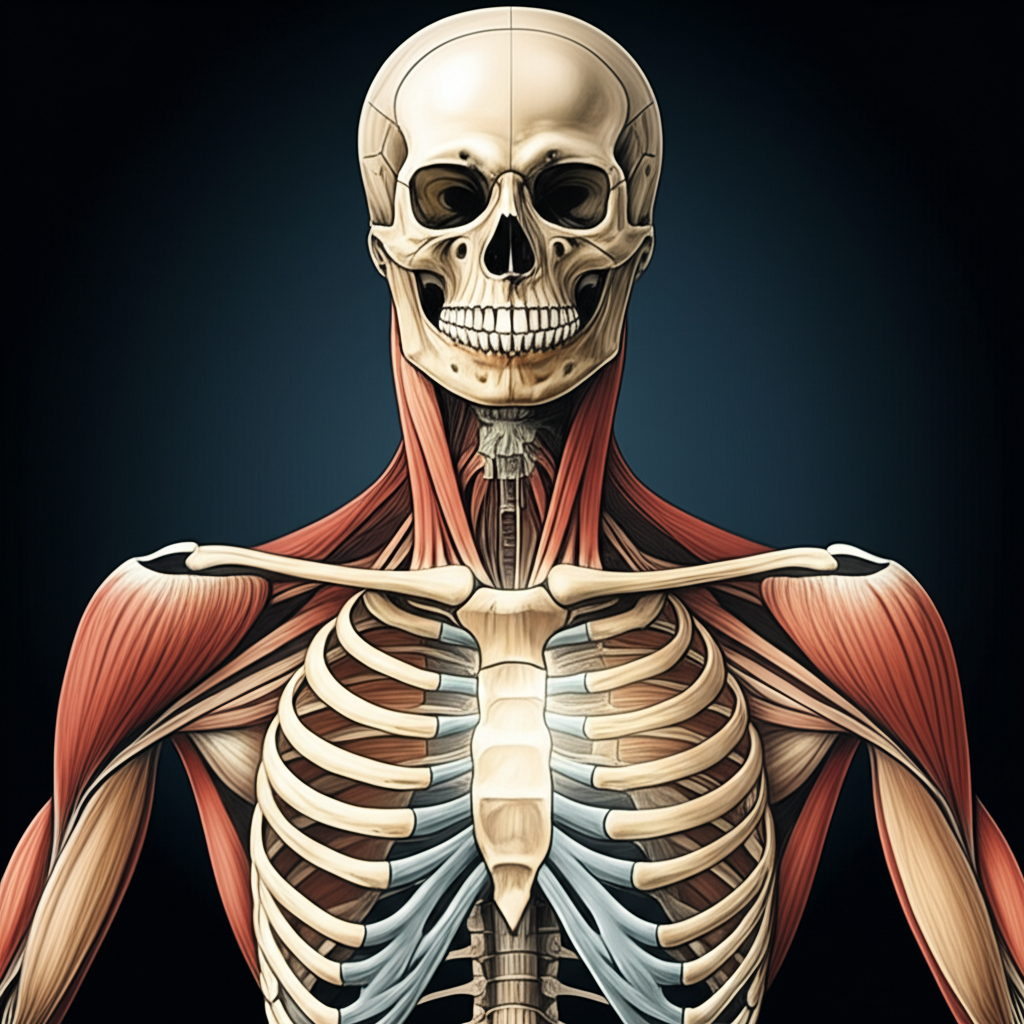
Modern medicine forces us to confront the nature of the Body with an intensity previously unimaginable. Is the body merely a biological machine, a collection of organs and systems, or is it inextricably linked to our identity, consciousness, and sense of self?
- Descartes and Dualism: René Descartes, another pillar of the Great Books, famously posited a radical separation between mind (res cogitans) and body (res extensa). While this dualism helped pave the way for a mechanistic understanding of the body, allowing for scientific dissection and study, it also created a lasting philosophical challenge: how do mind and body interact? Medicine today often operates on a Cartesian assumption, treating the body as distinct from the mind, even as psychosomatic medicine attempts to bridge this gap.
- Phenomenology of the Embodied Self: Philosophers like Maurice Merleau-Ponty challenged Cartesian dualism, arguing that we are not just minds in bodies, but rather embodied beings. Our experiences, perceptions, and even our consciousness are fundamentally shaped by our Body. Illness, pain, and disability are not just physical states but existential experiences that alter our way of being-in-the-world.
- The Cybernetic Body: With prosthetics, pacemakers, and even brain-computer interfaces, the line between the natural Body and technological enhancements blurs. This raises questions about what constitutes "human" and where the self truly resides.
IV. Ethical Dilemmas and the Limits of Medicine
The increasing power of Science and Medicine to intervene in Life and Death has given rise to complex ethical dilemmas that challenge our most deeply held values.
Key Ethical Battlegrounds:
- End-of-Life Care:
- Euthanasia and Physician-Assisted Suicide: When is it permissible to hasten Death to alleviate suffering? Who decides, and on what grounds?
- Palliative Care: The focus shifts from curing to comforting, emphasizing quality of Life even when quantity is limited.
- Beginning-of-Life Interventions:
- Assisted Reproductive Technologies: IVF, surrogacy, and genetic screening raise questions about parenthood, genetic selection, and the definition of a "natural" birth.
- Genetic Engineering: The ability to edit genes presents the promise of eradicating diseases but also the specter of "designer babies" and unforeseen alterations to the human germline.
- Resource Allocation:
- Who gets access to life-saving treatments when resources are scarce? This is a fundamental question of justice and fairness, often debated through utilitarian or egalitarian frameworks.
These dilemmas force us to define not just what we can do, but what we should do, pushing us to articulate our philosophical understanding of human dignity, autonomy, and the sanctity of Life.
📹 Related Video: ARISTOTLE ON: The Nicomachean Ethics
Video by: The School of Life
💡 Want different videos? Search YouTube for: ""Philosophy of Medicine: Ethics and Healthcare""
V. The Philosophical Project of Maintenance: More Than Just Survival
Ultimately, the phrase "Maintenance of Life" implies more than just keeping biological processes running. Philosophically, it refers to the ongoing project of living a meaningful, flourishing existence. Medicine plays a critical role in this, not just by extending our years, but by enabling us to live them with greater capacity and less suffering.
- From Bios to Zoe: Ancient Greek distinguished between bios (a particular way of life, a biography) and zoe (bare biological life). Medicine often focuses on zoe, but its ultimate impact is on bios. By restoring health, medicine allows individuals to pursue their bios, their unique path and purpose.
- The Pursuit of Eudaimonia: The Greek concept of eudaimonia, often translated as "human flourishing" or "the good life," encompasses well-being, virtue, and purpose. While medicine cannot directly bestow eudaimonia, it can remove obstacles to its pursuit, providing the physical foundation upon which a rich and meaningful life can be built.
- The Art of Living Well: The maintenance of life, therefore, is a collaborative project between scientific medicine and philosophical reflection. It requires us to understand not just how the Body works, but what makes Life worth living, even in the face of inevitable decline and Death.
Conclusion: The Unfolding Dialogue
Medicine, as both a Science and a profound human endeavor, stands at the crossroads of our deepest questions about existence. It challenges us to reconsider our relationship with our own Body, to grapple with the complexities of Life and Death, and to define what it truly means to maintain not just biological function, but a life rich in meaning and purpose. The conversation between philosophy and medicine is not a relic of the past; it is an urgent and evolving dialogue that continues to shape our future, urging us to wield our scientific capabilities with wisdom and compassion.
📹 Related Video: PLATO ON: The Allegory of the Cave
Video by: The School of Life
💡 Want different videos? Search YouTube for: ""What is the Human Body? Philosophical Perspectives""