

The Physician's Paradox: Medicine, Mortality, and the Human Condition
Summary: Medicine stands at a fascinating crossroads, perpetually striving to extend and improve life while confronting the undeniable reality of death. This article delves into the profound philosophical questions raised by medicine's advancements, exploring how science has transformed our understanding of the body, challenged our notions of existence, and forced us to reckon with the limits of our own mortality. We examine medicine not merely as a biological endeavor, but as a deeply human project intertwined with our oldest philosophical inquiries into what it means to live, suffer, and ultimately, to die.
The Ancient Call: Healing, Inquiry, and the Embodied Self
From the earliest whispers of civilization, the art of healing has been inextricably linked to our quest for understanding. Long before the gleaming laboratories of modern science, ancient thinkers grappled with the mysteries of the body – its resilience, its fragility, its intrinsic connection to the mind and spirit. The foundational texts within the Great Books of the Western World reveal this enduring fascination, from Hippocrates' empirical observations to Aristotle's meticulous biological studies.
The Hippocratic Corpus, for instance, marks a pivotal shift from purely supernatural explanations of illness to a more rational, observational approach. It wasn't just about curing ailments; it was about understanding the physis – the inherent nature – of the human body, its humors, its balance, and its environment. This nascent medicine was less about conquering death and more about restoring equilibrium to life, recognizing that the body was a microcosm of the cosmos.
Early Philosophical Inquiries into the Body:
- Hippocrates: Emphasized observation, prognosis, and the natural healing power of the body. The physician as an assistant to nature.
- Aristotle: Conducted extensive anatomical and biological studies, viewing the body as an organized system with a specific telos (purpose). His work laid groundwork for understanding organic life.
- Galen: Built upon Hippocratic and Aristotelian principles, developing a comprehensive system of medicine that dominated for centuries, focusing on the four humors and their balance within the body.
These early efforts underscore a fundamental philosophical tension: the desire to alleviate suffering and prolong life, juxtaposed with an acceptance of the natural cycles of existence. Medicine, in its infancy, was less about defying Life and Death and more about navigating them with wisdom and care.
The Age of Science: Redefining Life, Mastering the Body
The Enlightenment ushered in a new era, profoundly reshaping our relationship with medicine and the body. René Descartes, a towering figure in the Great Books, famously proposed a radical dualism: the mind as a non-physical entity, and the body as a complex machine. This mechanistic view, while controversial, paved the way for modern science to dissect, analyze, and ultimately, intervene in the body with unprecedented precision.
The subsequent centuries saw an explosion of scientific discovery. Germ theory, anesthesia, antibiotics, vaccines – each breakthrough pushed the boundaries of what medicine could achieve, transforming ailments once considered death sentences into manageable conditions. The focus shifted from merely understanding the body to actively repairing and even enhancing it.
The Impact of Scientific Advancements on Medicine:
| Era | Key Philosophical Shift | Medical Impact | Keywords Illuminated |
|---|---|---|---|
| Ancient Greece | Holistic view of body and nature; empirical observation. | Diagnosis, prognosis, natural healing. | Medicine, Body, Life |
| Enlightenment | Mechanistic body; mind-body dualism. | Anatomical precision, surgical innovation. | Science, Body |
| Modern Era | Reductionism; molecular biology; genetic engineering. | Eradication of diseases, organ transplantation, life extension. | Medicine, Science, Life and Death, Body |
This relentless march of science has undoubtedly prolonged life and alleviated immense suffering. Yet, it has also introduced a new set of philosophical quandaries. As we gain the ability to sustain life far beyond its natural course, we are forced to ask: What does it mean to live well, not just to live long? And what are the ethical boundaries of manipulating the body?
The Uncomfortable Truth: Medicine, Mortality, and the Dance with Death
Despite all its triumphs, medicine remains locked in an eternal struggle with Life and Death. It can delay death, mitigate its pain, and even momentarily cheat it, but it cannot abolish it. This fundamental limitation forces us to confront our deepest existential fears and questions.
Philosophers throughout history, from Epicurus's calming embrace of finitude to Nietzsche's defiant affirmation of life in the face of suffering, have grappled with the inevitability of death. Medicine, in its scientific zeal, often frames death as a failure – an enemy to be fought with every available tool. But is this perspective truly aligned with a holistic understanding of human existence?
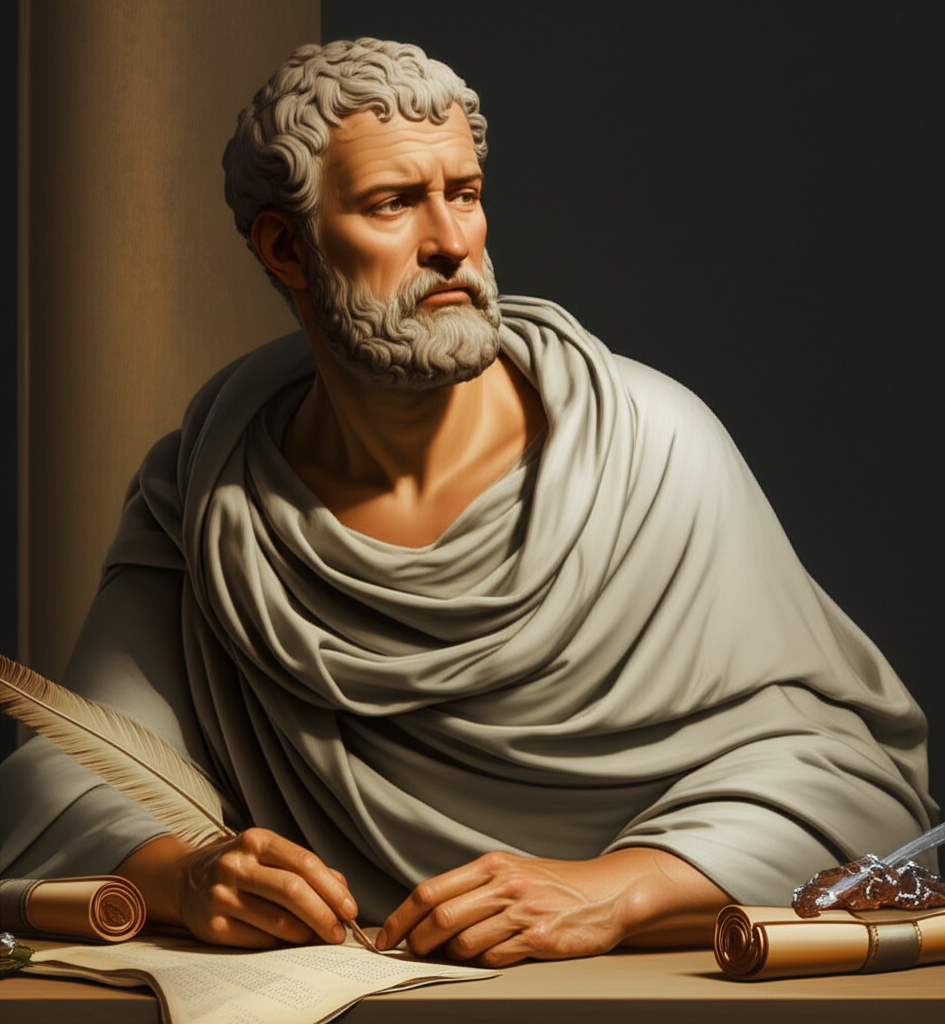
When medicine prolongs life indefinitely, sometimes at the cost of dignity or consciousness, it inadvertently shifts the philosophical burden. We move from questions of how to live to how long to live, and at what cost. This is where Life and Death cease to be purely biological events and become profound ethical and philosophical dilemmas. The body, once a vessel for experience, can become a battleground where science fights a losing war against time.
Philosophical Questions Raised by Modern Medicine:
- The Definition of Life: When does life truly begin or end, especially with advances in reproductive technologies and life support?
- The Value of Life: Is all life equally valuable, and how do we weigh quality of life against mere duration?
- The Autonomy of the Body: Who has the ultimate authority over one's body and medical decisions, especially concerning Life and Death?
- The Pursuit of Immortality: If technically possible, should medicine strive for indefinite life extension, and what would be the societal and existential consequences?
Beyond the Cure: Reclaiming the Human in Healing
Ultimately, the greatest challenge for medicine is not just to conquer disease or prolong life, but to understand and nurture the human experience in its entirety. This means moving beyond a purely scientific, reductionist view of the body and re-embracing the holistic compassion that marked its earliest origins.
The Great Books remind us that wisdom often lies not in having all the answers, but in asking the right questions. Medicine, at its best, is not just about extending biological functions; it's about facilitating a meaningful existence, easing suffering, and helping individuals navigate the profound journey of Life and Death with dignity. It's about recognizing that the body is not merely a machine, but the vehicle through which we experience love, joy, sorrow, and ultimately, our own finitude.
To truly serve humanity, medicine must transcend its scientific prowess and embrace its philosophical heart. It must acknowledge that while science can explain the mechanisms of life, philosophy helps us understand its meaning.
**## 📹 Related Video: ARISTOTLE ON: The Nicomachean Ethics
Video by: The School of Life
💡 Want different videos? Search YouTube for: ""Existentialism and Death Philosophy" or "The Philosophy of Medicine and Ethics""**
**## 📹 Related Video: KANT ON: What is Enlightenment?
Video by: The School of Life
💡 Want different videos? Search YouTube for: ""Great Books of the Western World - Ancient Medicine""**