

Medicine and the Enduring Dance of Life
Medicine, often perceived as a purely empirical science dedicated to the mechanics of the body, is in truth a profound philosophical endeavor. It stands at the very nexus of life and death, constantly challenging our understanding of what it means to be alive, to suffer, and to ultimately face mortality. This article delves into the deeper, often overlooked, philosophical dimensions of medicine, exploring its role not merely in biological maintenance but in shaping our human experience and our contemplation of existence itself.
The Philosophical Pulse of Medicine
At its core, medicine is an art and a science born from our innate desire to preserve life. Yet, this simple premise opens a Pandora's box of philosophical inquiry. From the earliest healers observing the rhythms of the body to modern biotechnologists mapping the genome, the pursuit of health has always been intertwined with fundamental questions about our nature, our purpose, and our limits. We are not just biological machines; we are beings who contemplate our own existence, and medicine, in its constant engagement with our vulnerability, forces this contemplation upon us.
The Body as a Philosophical Canvas
For millennia, philosophers have grappled with the nature of the body. Is it a vessel for the soul, a prison, or simply the sum of its material parts? Ancient thinkers, whose wisdom echoes through the Great Books of the Western World, saw the body as a microcosm, reflecting cosmic order and disharmony. Illness was not merely a physical ailment but often a sign of imbalance, a disruption in the natural harmony.
- Ancient Perspectives:
- Holistic View: Early medicine, as seen in Hippocratic texts, often emphasized the body's innate capacity for healing and the importance of lifestyle, diet, and environment.
- Mind-Body Connection: Philosophers like Plato and Aristotle, while differing on the precise relationship, acknowledged the intricate connection between the physical and the mental or spiritual aspects of human existence.
- Teleological Understanding: The body was often understood in terms of its purpose and function, with health representing its optimal operation.
Modern medicine, while benefiting from advanced science, still inherits these foundational questions. When we treat a disease, are we merely fixing a biological mechanism, or are we restoring a person's capacity for agency, for joy, for connection? The body is not just an object of scientific study; it is the very medium through which we experience the world, love, suffer, and ultimately, die.
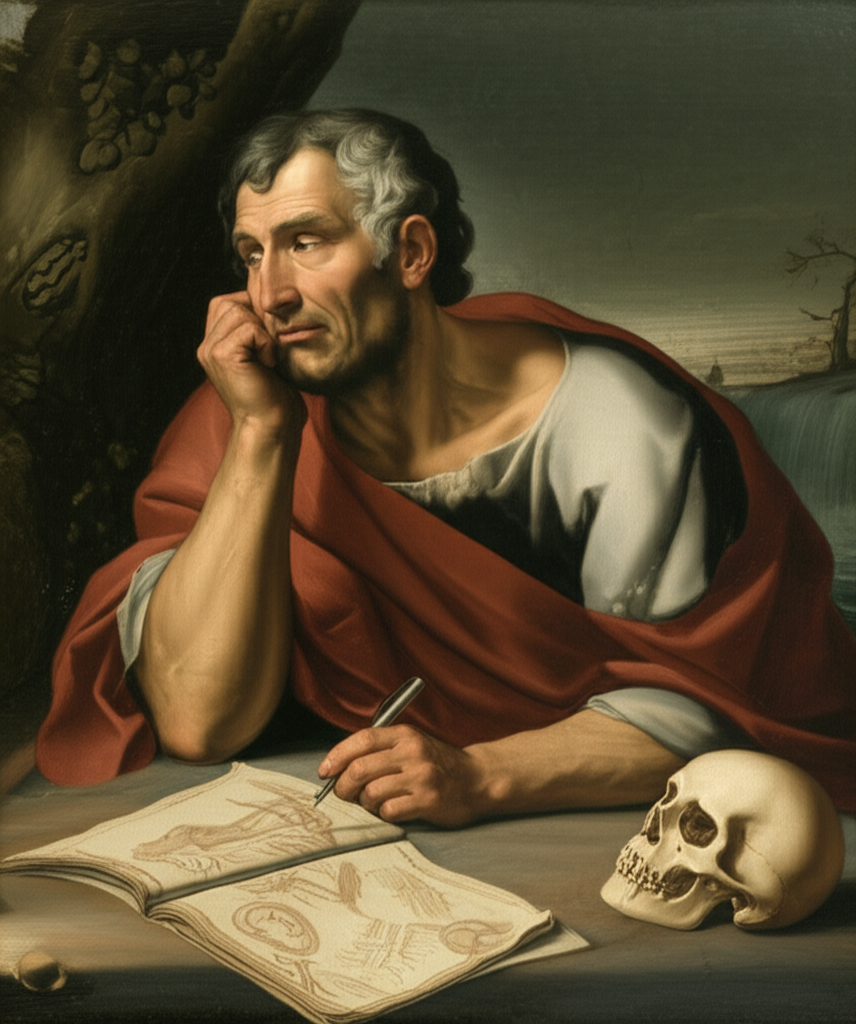
Medicine's Dual Mandate: Preserving and Prolonging
The primary goal of medicine is undeniably the maintenance of life. This involves preventing disease, alleviating suffering, and restoring health. However, as science advances, this mandate becomes increasingly complex. We now possess the capacity to not just maintain life but to significantly prolong it, pushing the boundaries of what was once considered natural or inevitable.
Consider the ethical dilemmas arising from this newfound power:
| Aspect of Medical Intervention | Philosophical Question Implied |
|---|---|
| Organ Transplantation | What defines the self when parts of the body are replaced? Who owns the right to life? |
| Life Support Systems | When does life cease to be meaningful? What constitutes a dignified death? |
| Genetic Engineering | Are we playing God? What are the implications for human nature and equality? |
| Anti-Aging Therapies | Does prolonging life indefinitely diminish its value or create new societal inequalities? |
These are not merely technical questions for doctors or scientists; they are profound inquiries into the very fabric of our values, our understanding of personhood, and the meaning we ascribe to our finite existence.
The Shifting Sands of Mortality: A Modern Dilemma
Life and death are perhaps the most fundamental experiences of humanity. Historically, death was an ever-present reality, often swift and unavoidable. Medicine sought to mitigate suffering and sometimes offered comfort, but the finality of death was largely accepted.
Today, science has dramatically altered this landscape. We have pushed back the frontiers of death, transforming it from an immediate threat into a deferred event. This shift, while a testament to human ingenuity, brings with it new philosophical burdens:
- The Burden of Choice: Patients and families are often faced with agonizing decisions about treatment options, quality of life, and the timing of death.
- Defining Death: The medical definition of death itself has evolved (e.g., brain death), prompting philosophical debates about consciousness and the essence of personhood.
- The Fear of Prolonged Suffering: As life can be extended, so too can suffering, raising questions about euthanasia, assisted dying, and the right to choose one's own end.
These contemporary challenges force us to re-examine ancient wisdom regarding acceptance, courage in the face of suffering, and the ultimate meaning of our transient existence. The Great Books remind us that while science may extend our days, it is philosophy that helps us understand their worth.
Beyond the Biological: The Human Spirit in Sickness and Health
Ultimately, medicine is about more than just the body or science; it's about the human experience. Illness can strip us bare, revealing our vulnerabilities and testing our resilience. Health, conversely, empowers us to pursue our goals, connect with others, and find meaning.
The philosophical implication here is that medicine, at its best, doesn't just treat diseases; it cares for the whole person. It acknowledges the emotional, psychological, and spiritual dimensions of life and death. It offers not just prescriptions, but empathy; not just diagnoses, but hope. This holistic approach, echoing throughout philosophical traditions, recognizes that true well-being extends far beyond mere biological function.
Conclusion: An Ongoing Dialogue
Medicine and its relationship to the maintenance of life is a dynamic and ever-evolving field, rich with philosophical implications. As science continues to expand our capabilities, we must continually engage with the profound questions it raises about the body, life and death, and what it truly means to be human. This ongoing dialogue, rooted in centuries of philosophical inquiry, ensures that our pursuit of health remains aligned with our deepest values and our most enduring aspirations.
📹 Related Video: ARISTOTLE ON: The Nicomachean Ethics
Video by: The School of Life
💡 Want different videos? Search YouTube for: ""philosophy of medicine ethics" or "meaning of life and death philosophy""