

The Dual Nature of Love: An Emotion, A Duty, A Human Imperative
Love, in its myriad forms, stands as one of the most profound and perplexing phenomena of human existence. Is it an irresistible current that sweeps Man away, a spontaneous emotion born of the heart? Or is it a solemn vow, a conscious commitment, a moral duty owed to others and to the very fabric of society? This article delves into the intricate duality of love, exploring how it functions as both an unbidden feeling and a deliberate ethical imperative. Drawing insights from the enduring wisdom contained within the Great Books of the Western World, we will uncover how these seemingly disparate aspects of love are not merely coexistent but often interdependent, shaping the very essence of human flourishing and moral responsibility.
The Heart's Unbidden Call: Love as a Potent Emotion
When we speak of love, our minds often first conjure images of passionate longing, tender affection, or overwhelming joy. This is love as an emotion – a powerful, sometimes irrational, and often spontaneous experience that can seize Man's heart and mind. It is the eros described by Plato in his Symposium, a yearning for beauty that ascends from the physical to the spiritual, driving us towards a perceived good. This emotional love is characterized by:
- Spontaneity: It often arises unbidden, a feeling that simply is, rather than one consciously willed.
- Intensity: It can be all-consuming, leading to profound happiness or deep sorrow.
- Subjectivity: The experience of emotional love is deeply personal, colored by individual temperament and circumstance.
- Transformative Power: It can inspire great acts of creativity, courage, or sacrifice, altering the course of a man's life.
Consider the fervent devotion described in epic poems or tragic plays within the Great Books – a love that defies reason, yet moves mountains. Such love underscores the raw, untamed power of human feeling, demonstrating how deeply emotional bonds can shape our perceptions, motivations, and interactions with the world.
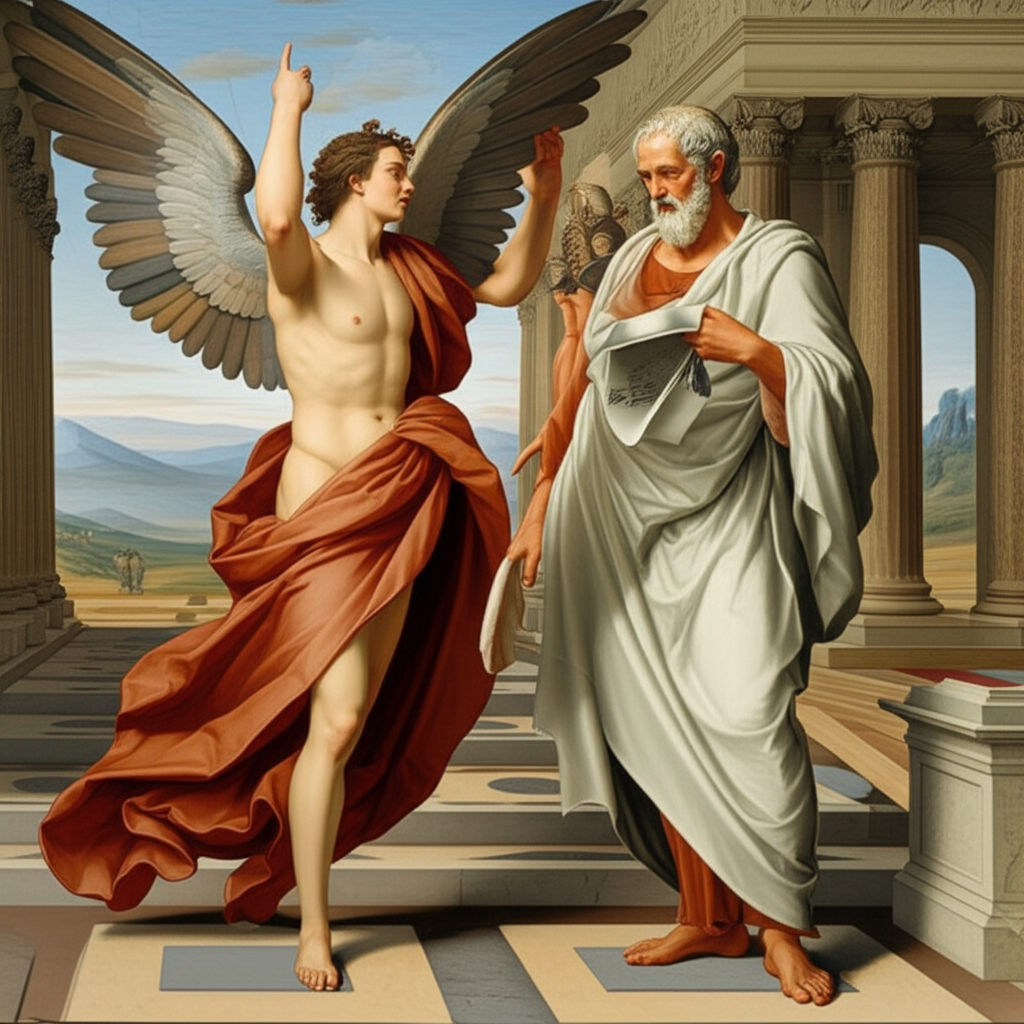
The Will's Command: Love as a Moral Duty
Beyond the realm of spontaneous feeling lies another profound dimension of love: love as a moral duty. This aspect of love is not merely felt but willed. It is a conscious choice, a commitment, and an ethical imperative to act benevolently, justly, and caringly towards others. Philosophers throughout history, particularly those found in the Great Books, have grappled with this concept, recognizing that a truly moral life often demands more than mere inclination.
- Aristotle's Philia: In Nicomachean Ethics, Aristotle speaks of philia, or friendship, as a virtue essential for human flourishing. While it involves affection, it is also a chosen relationship built on shared virtue, mutual respect, and a commitment to the other's well-being. It implies a duty to act in a friend's best interest.
- Aquinas's Caritas: St. Thomas Aquinas, in his Summa Theologica, elevates caritas (charity) to the highest theological virtue. This is a love for God and neighbor that is not simply an emotion but a divine command, a duty to will the good of others, even those we do not naturally feel affection for. It is an active, benevolent disposition rooted in faith.
- Kant's Duty to Benevolence: Immanuel Kant, in his Groundwork of the Metaphysics of Morals, famously distinguished between acting from duty and acting merely in accordance with duty. For Kant, true moral worth comes from acting out of respect for the moral law. While he acknowledged that love, as an emotion, cannot be commanded, he argued for a practical love – a duty to be benevolent, to help others, and to promote their happiness, regardless of one's personal feelings. This is a love of the will, not of mere inclination.
This dutiful love requires effort, self-discipline, and a recognition of the inherent worth and dignity of every man. It transcends personal preference, forming the bedrock of ethical communities and just societies.
Reconciling the Duality: Emotion, Duty, and the Whole Man
The profound challenge for Man lies in understanding how these two powerful aspects of love—the emotional and the dutiful—can coexist and even enrich each other. Are they in perpetual conflict, or can they achieve a harmonious synthesis?
| Aspect of Love | Characteristics | Philosophical Roots (Examples) |
|---|---|---|
| Emotional Love | Spontaneous, intense, subjective, often passionate | Plato's Eros (Symposium) |
| Dutiful Love | Willed, rational, objective, committed, principle-driven | Aristotle's Philia, Aquinas's Caritas, Kant's Duty to Benevolence |
Many philosophers suggest that while emotional love cannot be commanded, the duty to love can cultivate the conditions for genuine affection to grow. Conversely, strong emotional bonds can inspire a deeper commitment to one's duties. For instance:
- Duty as a Foundation for Emotion: By consistently acting with benevolence and respect (dutiful love), Man can foster positive emotional connections, even with those initially unfamiliar or unappealing. The practice of kindness can lead to genuine affection.
- Emotion as a Catalyst for Duty: When we feel strong emotional love for someone, our duty to care for them often feels less like an obligation and more like a natural extension of our feelings. Emotion provides the motivational fuel for sustained dutiful action.
- The Integrated Self: The ideal for Man is perhaps not to choose between emotion and duty, but to integrate them. A mature love might involve both the warmth of genuine feeling and the steadfastness of commitment—a love that is felt deeply and acted upon consistently, even when feelings wane or challenges arise. This holistic view recognizes the full spectrum of human experience.
Conclusion: The Enduring Imperative of Love
Ultimately, love, in its dual manifestation as both a potent emotion and a profound moral duty, remains an indispensable cornerstone of human experience. From the ancient Greeks pondering eros and philia to medieval theologians extolling caritas and Enlightenment thinkers defining duty, the Great Books of the Western World consistently underscore the centrality of love in understanding ourselves and our place in the cosmos. For Man, navigating this intricate interplay is not merely an academic exercise but a practical imperative for living a meaningful, ethical, and fully human life. To truly embrace love is to acknowledge both the heart's unbidden stirrings and the will's unwavering command, weaving them into the rich tapestry of our moral existence.
YouTube Video Suggestions:
- YouTube: "Plato Symposium Love Philosophy Explained"
- YouTube: "Kant Ethics Duty Love Benevolence"
📹 Related Video: What is Philosophy?
Video by: The School of Life
💡 Want different videos? Search YouTube for: "Love as an Emotion and a Moral Duty philosophy"