

The Chains We Forge and Break: A Philosophical Inquiry into Labor, Freedom, and Slavery
The intricate dance between labor, liberty, and slavery forms a foundational triad in the annals of philosophical thought, echoing through the ages from ancient polis to modern industrial societies. This exploration seeks to unravel the complex threads binding these concepts, examining how work, the very act of shaping our world, can be both the forge of our freedom and the anvil of our subjugation. Drawing from the profound insights of the Great Books of the Western World, we delve into the historical and philosophical dimensions of these concepts, seeking to understand the enduring quest for justice in human endeavor.
The Paradox of Human Endeavor: Work as Burden and Blessing
From the earliest philosophical inquiries, labor has been viewed with a profound ambivalence. Is it a curse, a necessary evil tying us to material existence, or is it the very means by which we assert our will, transform nature, and realize our potential?
- Ancient Perspectives: For thinkers like Aristotle in his Politics, manual labor was often seen as antithetical to true political liberty. The citizen, free to participate in civic life, relied on others – often slaves – to perform the necessary tasks of sustenance. This created a stark division, where leisure was the prerequisite for philosophical contemplation and governance, while labor was associated with necessity and often, subjugation.
- The Genesis of Toil: The Judeo-Christian tradition, as seen in the Book of Genesis, casts labor as a post-lapsarian punishment, a toil imposed upon humanity after expulsion from Eden. This narrative imbues work with a sense of hardship and endless effort.
However, even in antiquity, there was a nascent recognition of labor's transformative power. The craftsman, the artisan, by shaping raw materials, imposed form upon chaos, hinting at a creative dimension that would later be celebrated.
Liberty's Shadow: The Spectrum of Slavery
The antithesis of liberty is slavery, yet its manifestations are far more nuanced than mere physical bondage. Philosophy compels us to consider the various forms of unfreedom that can ensnare the human spirit and body.
- Chattel Slavery: The most overt and brutal form, where one human being is legally owned as property by another. Aristotle controversially posited a concept of "natural slavery," arguing that some individuals were inherently suited to be instruments for others, lacking the capacity for full rational self-governance. This view, though widely contested even in its time and unequivocally rejected today, highlights the historical rationalizations for such systems.
- Economic Slavery (Wage Slavery): With the rise of industrial societies, thinkers like Karl Marx articulated the concept of "wage slavery," arguing that in capitalist systems, workers, though legally free, are compelled by economic necessity to sell their labor power for wages that often barely sustain them. This alienation of labor, where the worker does not own the means of production or the fruits of their toil, can lead to a profound sense of unfreedom, turning creative work into a dehumanizing burden.
- Key Characteristics of Alienated Labor (Marx):
- Alienation from the product of labor: The worker does not own or control what they produce.
- Alienation from the act of labor: Work becomes a means to an end, not an end in itself; it is forced, external.
- Alienation from species-being: Humanity's creative, productive essence is stifled.
- Alienation from other humans: Competition and class division create estrangement.
- Key Characteristics of Alienated Labor (Marx):
- Intellectual and Moral Slavery: Beyond the physical and economic, philosophers have explored forms of slavery where individuals are bound by ignorance, prejudice, or societal norms that prevent authentic self-realization. Plato's Allegory of the Cave vividly illustrates this, depicting individuals enslaved by their own limited perceptions, mistaking shadows for reality. True liberty, in this sense, demands intellectual emancipation and the courage to seek truth.
The Dialectic of Master and Slave: A Path to Self-Consciousness
Hegel's famous Master-Slave dialectic in Phenomenology of Spirit offers a profound insight into the relationship between these two seemingly opposed states. In this struggle for recognition, the master achieves initial dominance by risking life and asserting will, reducing the slave to an instrument. However, it is the slave, through their transformative labor on nature, who ultimately develops a deeper self-consciousness. By shaping the world, the slave sees their own will reflected in the external, overcoming nature and, in doing so, overcoming their own subservience. The master, by contrast, remains dependent on the slave's work, their identity predicated on the slave's unfreedom. This dialectic suggests that true liberty is not merely granted but achieved through active engagement and transformation.
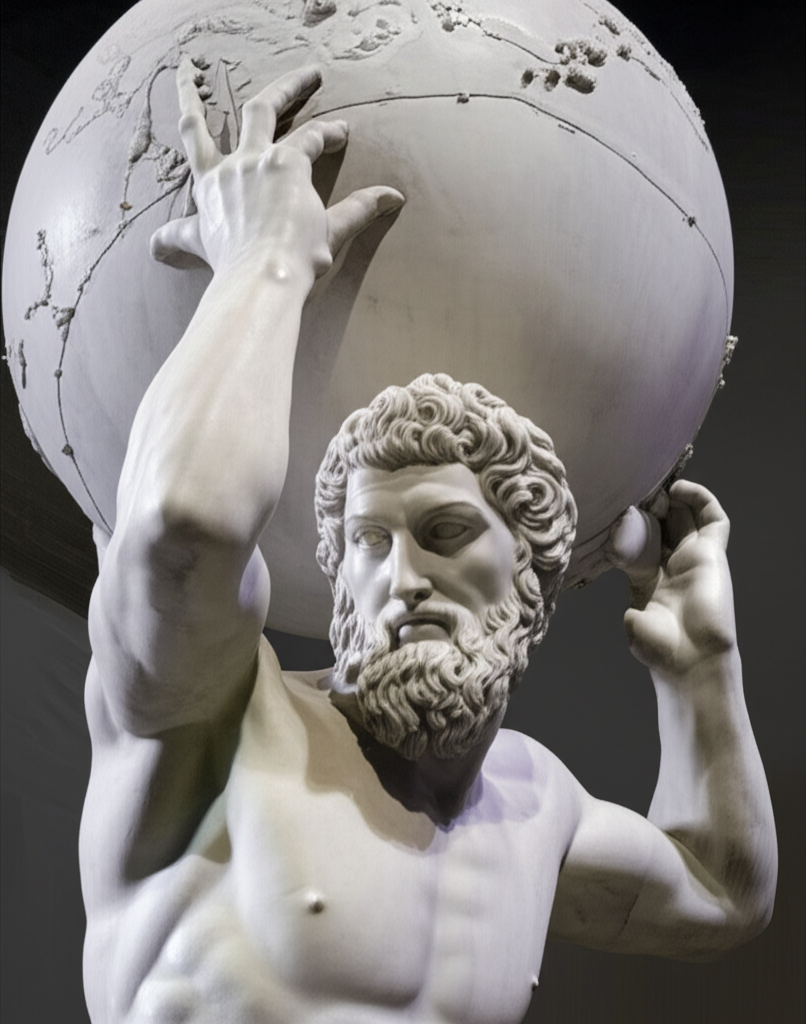
Justice: The Quest for Equitable Labor and Genuine Liberty
The enduring philosophical challenge lies in reconciling labor with liberty in a manner that upholds justice. How do we construct societies where work is a source of fulfillment and dignity, rather than exploitation and alienation?
- The Social Contract and Rights: Thinkers like John Locke laid the groundwork for modern concepts of rights and liberty, arguing that individuals possess natural rights, including the right to their own person and the fruits of their labor. The social contract, then, should protect these rights, ensuring that individuals are not forced into conditions of servitude. For Locke, labor was fundamental to property, transforming common resources into private holdings.
- Rousseau's Chains: Jean-Jacques Rousseau, in his Social Contract, famously declared that "Man is born free, and everywhere he is in chains." He critiqued societies where labor became a means of oppression, arguing for a form of civil liberty where individuals, though bound by the general will, were truly free and equal. His vision implicitly demands a societal structure where no one is compelled into a state akin to slavery through economic or political coercion.
- Contemporary Challenges: In our modern world, the discourse on justice continues to grapple with issues like fair wages, safe working conditions, the gig economy, and the global supply chain, all of which touch upon the fundamental relationship between human labor and the aspiration for universal liberty. The goal is to move towards a system where work enhances human flourishing, rather than diminishing it.
Conclusion: The Unfinished Work of Freedom
The philosophical journey through labor, liberty, and slavery reveals that these concepts are not static but are continually redefined and contested across history and cultures. The pursuit of justice demands a vigilant examination of how our economic and social systems impact the freedom of individuals. Whether through the explicit chains of chattel slavery or the subtle bonds of alienated labor, the human spirit yearns for autonomy and dignity. Understanding these profound connections, as illuminated by the Great Books, is not merely an academic exercise; it is an essential step in the ongoing work of building a more just and free world.
YouTube Video Suggestions:
-
📹 Related Video: ARISTOTLE ON: The Nicomachean Ethics
Video by: The School of Life
💡 Want different videos? Search YouTube for: "Hegel Master Slave Dialectic Explained"
-
📹 Related Video: ARISTOTLE ON: The Nicomachean Ethics
Video by: The School of Life
💡 Want different videos? Search YouTube for: "Karl Marx Alienation of Labor Explained"