

Labor, Freedom, and Slavery: A Philosophical Nexus
This article delves into the profound philosophical relationship between labor, liberty, and slavery, examining how these concepts, central to human existence and political thought, define our understanding of self, society, and justice. Drawing from the enduring insights of the Great Books of the Western World, we explore the historical and conceptual tensions that arise when the human capacity for productive effort is either freely exercised or brutally suppressed, highlighting the perpetual struggle for genuine self-determination.
The Enduring Paradox of Human Endeavor
From the earliest philosophical inquiries, the act of labor has been recognized as fundamental to human existence. It is through our engagement with the world, transforming nature and creating value, that we not only sustain ourselves but also, arguably, define our very being. Yet, this essential activity is fraught with paradox: intended as a path to self-realization and liberty, it has historically been, and continues to be, a primary site of subjugation and the ultimate denial of freedom, culminating in the abhorrent institution of slavery. The philosophical challenge lies in understanding how justice can be achieved when the very means of human flourishing can be twisted into a mechanism of oppression.
Labor: The Foundation of Being and Becoming
At its core, labor is more than mere toil; it is a transformative act. Philosophers have grappled with its significance, seeing it as the wellspring of human identity, property, and even consciousness.
- John Locke, in his Second Treatise of Government, famously argued that an individual's labor applied to nature creates property, implicitly linking labor to self-ownership and thus to liberty. My efforts, he suggested, are undeniably mine, and what I mix my efforts with becomes an extension of that self.
- G.W.F. Hegel, in his Phenomenology of Spirit, posited that labor is crucial for self-consciousness. Through working on the external world, the individual sees their own will reflected back, mastering both nature and, in a sense, themselves. This process is essential for achieving true freedom.
- Karl Marx, building on Hegel, saw labor as the very essence of human species-being, our unique capacity to consciously and creatively transform the world. However, under capitalist systems, he argued, labor becomes alienated, separated from the laborer's control and purpose, thus undermining genuine liberty.
Key Philosophical Stances on Labor:
| Philosopher | Core Concept of Labor | Relationship to Liberty/Slavery |
|---|---|---|
| John Locke | Origin of property; extension of self-ownership. | Essential for individual liberty and rights. |
| G.W.F. Hegel | Means of self-realization; overcoming the external world. | Crucial for the development of self-consciousness and freedom. |
| Karl Marx | Essence of human species-being; creative and transformative. | Source of alienation under capitalism; denied in slavery. |
| Hannah Arendt | Distinction between labor (biological necessity) and work (creating a lasting world). | Labor can be oppressive; work allows for human flourishing. |
Liberty: The Aspiration of the Human Spirit
Liberty stands as the antithesis of slavery and the ideal state for the exercise of meaningful labor. It encompasses not only freedom from external constraint (negative liberty) but also the freedom to act, to choose, and to realize one's potential (positive liberty). The pursuit of liberty has animated countless philosophical and political movements throughout history.
For thinkers like Jean-Jacques Rousseau, true liberty is not merely individualistic but found in collective self-governance through the social contract, where individuals willingly submit to a general will that ultimately serves their common good. This idea implies that labor performed for the collective good, freely chosen, is a higher form of freedom than solitary endeavor.
John Stuart Mill, in On Liberty, championed individual freedom, arguing that society should only interfere with an individual's actions to prevent harm to others. This expansive view of liberty directly impacts how labor is perceived: individuals should be free to choose their vocations, their terms of employment, and the fruits of their efforts, free from undue coercion.
Slavery: The Ultimate Denial of Self
The concept of slavery represents the most profound philosophical challenge to human dignity and justice. It is the systematic denial of liberty, where an individual's labor is entirely appropriated by another, and their very personhood is reduced to property.
Even in ancient philosophy, the institution of slavery was debated. Aristotle, in his Politics, notoriously presented a theory of "natural slavery," arguing that some individuals were inherently suited to be instruments for others, lacking the full rational capacity for self-governance. This view, deeply problematic and widely refuted today, highlights how even profound thinkers could rationalize the denial of fundamental human rights.
However, the historical reality and moral bankruptcy of slavery have been consistently challenged. The enslaved person is stripped of:
- Autonomy: No control over their body, time, or actions.
- Property: No right to the fruits of their labor.
- Dignity: Reduced to a chattel, an object rather than a subject.
- Future: Their life path is dictated by another, denying self-determination and the pursuit of individual liberty.
The abolitionist movements, fueled by Enlightenment ideals of universal human rights and the inherent worth of every individual, underscored that true justice demands the eradication of slavery in all its forms.
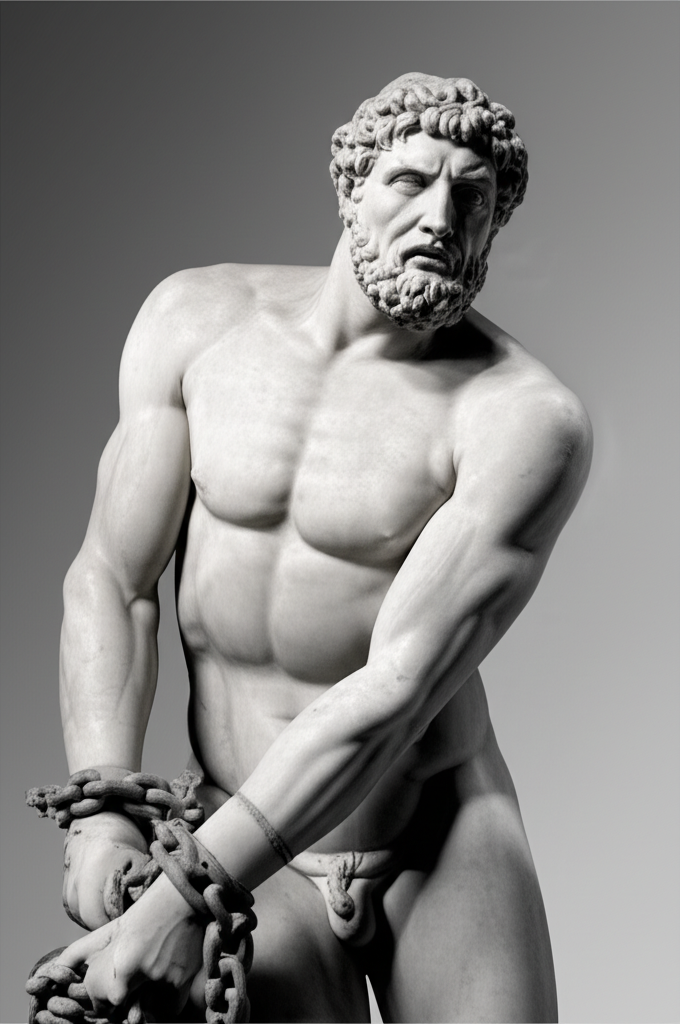
The Intertwined Threads: Labor, Liberty, and the Shadow of Slavery
The relationship between labor, liberty, and slavery is not merely one of opposition but of deep conceptual entanglement. True liberty necessitates control over one's own labor, the ability to choose how, when, and for whom one exerts their productive capacities. When this control is absent, the shadow of slavery looms, even in contexts beyond overt chattel slavery.
Marx's concept of alienated labor in capitalism, where the worker does not own the means of production, the product, or even the process of their labor, is often termed "wage slavery." While distinct from chattel slavery, it raises profound questions about the extent of genuine liberty when economic necessity compels individuals into work that offers little self-fulfillment or control. This philosophical critique suggests that a society truly dedicated to justice must ensure that labor is a path to liberty, not merely a means of survival under coercive conditions.
Justice: The Call for Right Relationship
Ultimately, the philosophical inquiry into labor, liberty, and slavery culminates in the pursuit of justice. A just society is one where:
- Labor is valued, fairly compensated, and allows for human flourishing and self-actualization.
- Liberty is universally protected, ensuring individuals have the freedom to choose their life paths, including their vocations, without coercion.
- Slavery, in all its historical and contemporary manifestations (including human trafficking, forced labor, and extreme exploitation), is unequivocally condemned and systematically eradicated.
The ongoing struggle for justice requires constant vigilance against any system or ideology that seeks to deny individuals their inherent right to control their own labor and live in true liberty. It is a recognition that the foundational dignity of humanity demands nothing less.
A Continuing Philosophical Imperative
The discussions initiated by the Great Books of the Western World regarding labor, liberty, and slavery remain profoundly relevant. As societies evolve, new forms of economic and social organization emerge, constantly challenging our understanding of what it means to be truly free in our work and lives. Examining these concepts through a philosophical lens provides critical tools for analyzing contemporary issues, from precarious employment and global supply chains to automation and the future of work, ensuring that the pursuit of justice and genuine liberty for all remains at the forefront of human endeavor.
📹 Related Video: PLATO ON: The Allegory of the Cave
Video by: The School of Life
💡 Want different videos? Search YouTube for: ""John Locke Labor Theory of Property Explained""
📹 Related Video: What is Philosophy?
Video by: The School of Life
💡 Want different videos? Search YouTube for: ""Marx Alienation of Labor Philosophy""