

The Unseen Architect: How Desire Shapes Human Action
Grace Ellis
Human existence, in its bewildering complexity, often appears to be a tapestry woven from countless choices and motivations. Yet, beneath the conscious decisions and rational deliberations, there lies a foundational, often primal, force: desire. It is not merely a fleeting urge but a profound wellspring from which all human action ultimately flows. From the most basic needs to the loftiest aspirations, desire acts as the unseen architect, shaping our perceptions, directing our Will, and ultimately determining the trajectory of every Man's life. This article explores the multifaceted role of desire in motivating human action, drawing upon the rich insights of Western philosophy to illuminate its enduring power over the Mind and Will.
The Ancient Origins: Desire as the Engine of the Soul
The earliest philosophical inquiries into human motivation recognized desire as a fundamental component of our being. Ancient Greek thinkers, in particular, sought to understand the various impulses that drive us.
Plato's Tripartite Soul and the Appetitive Drive
Plato, in his Republic, famously posited a tripartite soul, dividing the human psyche into three distinct parts:
- Reason (Logistikon): Seeks truth and wisdom.
- Spirit (Thymoeides): Governs emotions like honor, anger, and courage.
- Appetite (Epithymetikon): Encompasses bodily desires such as hunger, thirst, and sexual urges, as well as the desire for wealth and material possessions.
For Plato, these appetitive desires, while often seen as base, are powerful motivators. A Man driven solely by appetite is enslaved by his impulses, needing Reason and Spirit to guide and temper these powerful forces. The very structure of society, for Plato, reflects the need to manage these inherent desires for collective good.
Aristotle's Pursuit of the Good
Aristotle, too, acknowledged the primacy of desire, but he framed it within the context of telos – the ultimate end or purpose. Every human action, for Aristotle, is aimed at some perceived good.
- Desire (Orexis): A general term for any inclination towards something perceived as good.
- Rational Desire (Boulēsis): The Will or wish for the good, guided by Mind.
- Non-Rational Desire (Epithymia and Thymos): Appetites and passions not directly guided by reason.
Aristotle's Nicomachean Ethics highlights that happiness (eudaimonia) is the ultimate good we all desire. Our actions are motivated by this overarching desire to live well, to flourish, and to achieve our potential. The virtuous Man is one whose desires are aligned with Reason in the pursuit of genuine good.
The Medieval Turn: Will, Grace, and the Divine Desire
With the advent of Christian philosophy, the concept of desire became intricately linked with the Will and the divine. The focus shifted from the pursuit of earthly good to the ultimate good of God.
Augustine's Love and the Two Cities
St. Augustine, in works like Confessions and City of God, explored the profound power of love (amor or caritas) as a form of desire. He distinguished between two fundamental kinds of love:
- Cupiditas (Selfish Love/Desire): A disordered desire for temporal things for one's own sake, leading to sin and the "Earthly City."
- Caritas (Charitable Love/Desire): A rightly ordered desire for God and for others for God's sake, leading to salvation and the "City of God."
For Augustine, the Will is central. It is through the Will that Man chooses to direct his desires either towards God or away from Him. The human Mind, darkened by sin, often desires what is not truly good, necessitating divine grace to reorient the Will towards its proper object.
Aquinas's Intellectual Appetite
St. Thomas Aquinas, integrating Aristotelian thought with Christian theology, further refined the understanding of desire. He spoke of an "intellectual appetite" or rational Will (voluntas), which is distinct from the sensory appetites.
- The sensory appetites are drawn to sensible goods (e.g., food, pleasure).
- The intellectual appetite is drawn to universal goods, apprehended by the Mind (e.g., truth, justice, God).
According to Aquinas, the Will is necessarily moved by the good as apprehended by the intellect. We desire what our Mind presents to us as good, and our Will then strives to attain it. This highlights a crucial interplay: the Mind informs the Will, and the Will acts upon desire.
The Enlightenment's Perspective: Reason, Passions, and the Mind's Dominion
The Enlightenment brought a renewed focus on Reason and the individual Mind, leading to complex views on the relationship between desire, Will, and rational thought.
Descartes and the Passions of the Soul
René Descartes, the father of modern philosophy, analyzed desire as one of the "passions of the soul" in his treatise The Passions of the Soul. For Descartes, passions are perceptions, sensations, or emotions of the soul that are referred to it, and are caused, maintained, and strengthened by some movement of the spirits.
- Desire is the most fundamental passion, the "agitation of the soul" that makes it Will to join itself to objects that seem suitable to it, or to flee from those that seem harmful.
- The Mind (or soul) uses Reason to control and direct these passions, including desire, preventing them from overwhelming the Will.
Descartes sought to establish the Mind's mastery over the body's impulses, suggesting that Man can, through rational understanding, manage his desires for a virtuous life.
Spinoza's Conatus and the Essence of Man
Baruch Spinoza offered a radical perspective in his Ethics. He argued that desire (cupiditas) is the very essence of Man, defined as the conatus, or the striving to persevere in one's own being.
- Conatus: The inherent effort of every being to maintain and enhance its existence.
- Desire: The self-awareness of this striving.
For Spinoza, there is no free Will in the traditional sense; our actions are determined by our desires and affections. Reason does not oppose desire but rather helps us understand the true causes of our desires, leading to a more effective and joyful striving. The more we understand our desires and their causes, the freer we become, not from desire itself, but from its blind influence.
Hume's Subordination of Reason
David Hume, in A Treatise of Human Nature, famously asserted that "Reason is, and ought only to be the slave of the passions, and can never pretend to any other office than to serve and obey them."
- Passions (Desires): The primary motivators of human action.
- Reason: Serves to discover the most effective means to achieve the ends set by our passions.
Hume argued that Reason cannot, by itself, generate desire or oppose a passion. It can only inform us about the existence of things we desire or the means to obtain them. This places desire firmly at the helm of human motivation, with the Mind's rational faculties acting as its skilled navigator.
The Interplay: Desire, Mind, and Will
As we survey these diverse philosophical landscapes, a consistent theme emerges: desire is not a monolithic entity, but a complex force deeply intertwined with the Mind and Will.
| Philosophical Concept | Role of Desire | Role of Mind | Role of Will |
|---|---|---|---|
| Plato | Appetitive drive, needs | Guides and controls desire | Directs action based on reason |
| Aristotle | Aspiration for the good (telos) | Apprehends the good | Chooses actions to achieve perceived good |
| Augustine | Love (caritas, cupiditas) | Can be enlightened or darkened | Directs desire towards God or self |
| Aquinas | Sensory & intellectual appetite | Presents goods to the will | Necessarily moved by perceived good |
| Descartes | Passions of the soul | Controls and directs passions | Executes actions based on reason's guidance |
| Spinoza | Conatus, essence of Man | Understands causes of desire | Determined by desires and affections |
| Hume | Primary motivator (passions) | Serves passions, finds means | Executes actions dictated by passions |
The Mind plays a crucial role in shaping and interpreting desire. It can identify objects of desire, assess their value, and even generate new desires through imagination and thought. The Will, in turn, acts as the executive function, translating desire into action, whether guided by Reason or impelled by raw impulse. The ongoing tension and cooperation between these faculties define the moral and practical life of Man.
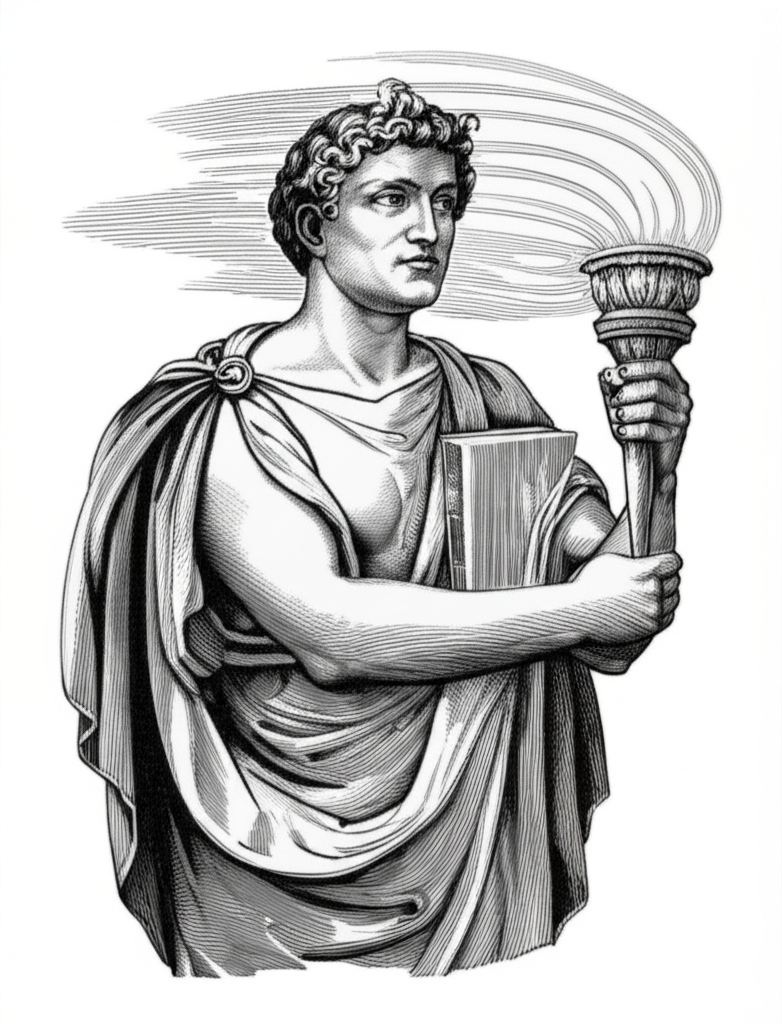 , emotion (a heart or flowing drapery), and resolve (a firm stance or outstretched hand), illustrating the complex interplay of desire, mind, and will in human action.)
Conclusion: The Enduring Power of Desire
From the ancient Greeks envisioning an appetitive soul to Enlightenment thinkers debating the dominion of Reason over passion, the philosophical tradition consistently affirms desire as a fundamental driver of human action. It is the initial spark, the internal combustion that propels us forward, whether towards survival, knowledge, love, or power. Understanding desire is not merely an academic exercise; it is an essential step towards self-knowledge, allowing us to better comprehend why we act as we do, and how we might, through the cultivation of Mind and Will, direct our inherent strivings towards a life of purpose and flourishing. The journey of Man is, at its core, a journey shaped by the desires of the Mind and the choices of the Will.
📹 Related Video: PLATO ON: The Allegory of the Cave
Video by: The School of Life
💡 Want different videos? Search YouTube for: ""Plato's Theory of the Soul and Desire Explained""
📹 Related Video: What is Philosophy?
Video by: The School of Life
💡 Want different videos? Search YouTube for: ""Hume on Reason and Passion: Philosophy Bites""