

The intricate tapestry of human society finds its most fundamental threads woven within the Family unit. Far from being a mere biological imperative, the structure and function of the Family are deeply intertwined with the prevailing Custom and Convention of a given age, ultimately shaping the character of the Citizen and the very nature of the State. This article explores the profound philosophical insights from the Great Books of the Western World that illuminate this symbiotic relationship, revealing how domestic arrangements are not simply private matters but crucial determinants of public life and political order.
The Foundational Role of the Family
The Family, in its myriad forms, has perennially served as the primary school of human experience. Long before the formal institutions of the State take hold, it is within the household that individuals first encounter authority, learn the rudiments of cooperation, and internalize the unspoken rules that govern social interaction. As Aristotle observed in his Politics, the household is the first and most natural association, from which villages and eventually the State itself emerge. It is here that the distinction between ruler and ruled, the necessity of provision, and the cultivation of certain virtues are first understood.
- Initial Socialization: The family introduces the individual to the concepts of hierarchy, responsibility, and reciprocal obligation.
- Moral and Ethical Groundwork: Basic tenets of right and wrong, justice, and fairness are instilled through familial interactions.
- Transmission of Culture: Language, traditions, and values are passed down, ensuring cultural continuity across generations.
Custom and Convention: Shaping Domestic Life
The specific forms and expectations of Family life are rarely immutable; rather, they are profoundly influenced by Custom and Convention. These are the unwritten laws, the inherited practices, and the widely accepted norms that dictate everything from marriage rituals and child-rearing practices to property inheritance and gender roles. These conventions are not arbitrary; they often reflect a society's core philosophical assumptions about human nature, societal order, and the good life.
Consider the diverse family structures discussed across the Great Books:
| Philosophical Era | Dominant Family Conception | Influence of Custom and Convention |
|---|---|---|
| Ancient Greece | Patriarchal, extended, focused on civic duty and legacy. | Arranged marriages, male-dominated public sphere, inheritance laws. |
| Medieval Europe | Patrilineal, often tied to land, Christian doctrines of family. | Primogeniture, sacralization of marriage, feudal obligations. |
| Enlightenment | Nuclear, contractual, emphasizing individual rights and consent. | Rise of companionate marriage, changing views on parental authority. |
These conventions, while seemingly distinct, all serve to integrate the Family into the broader social fabric, ensuring its function as a stable unit capable of perpetuating society.
From Family Member to Citizen: The Path to Public Life
The journey from a member of a Family to an active Citizen of the State is a transformative one, deeply mediated by the lessons learned at home. The virtues cultivated within the family—such as obedience, respect for elders, loyalty, and a sense of duty—are often seen as prerequisites for effective participation in the larger political community. Plato, in his Republic, meticulously outlines an educational system designed to produce ideal Citizens, recognizing that the early influences of the family are paramount, even suggesting radical restructuring of family life to achieve the ideal State.
- Civic Virtues: The family instills the discipline and moral compass necessary for responsible citizenship.
- Social Contract: Early philosophers like Locke posited that the power structures within the Family (e.g., parental authority) serve as a conceptual precursor to the social contract between the Citizen and the State.
- Public vs. Private: The family provides a sphere where individuals develop their private identities, which then inform their public roles and contributions as citizens.
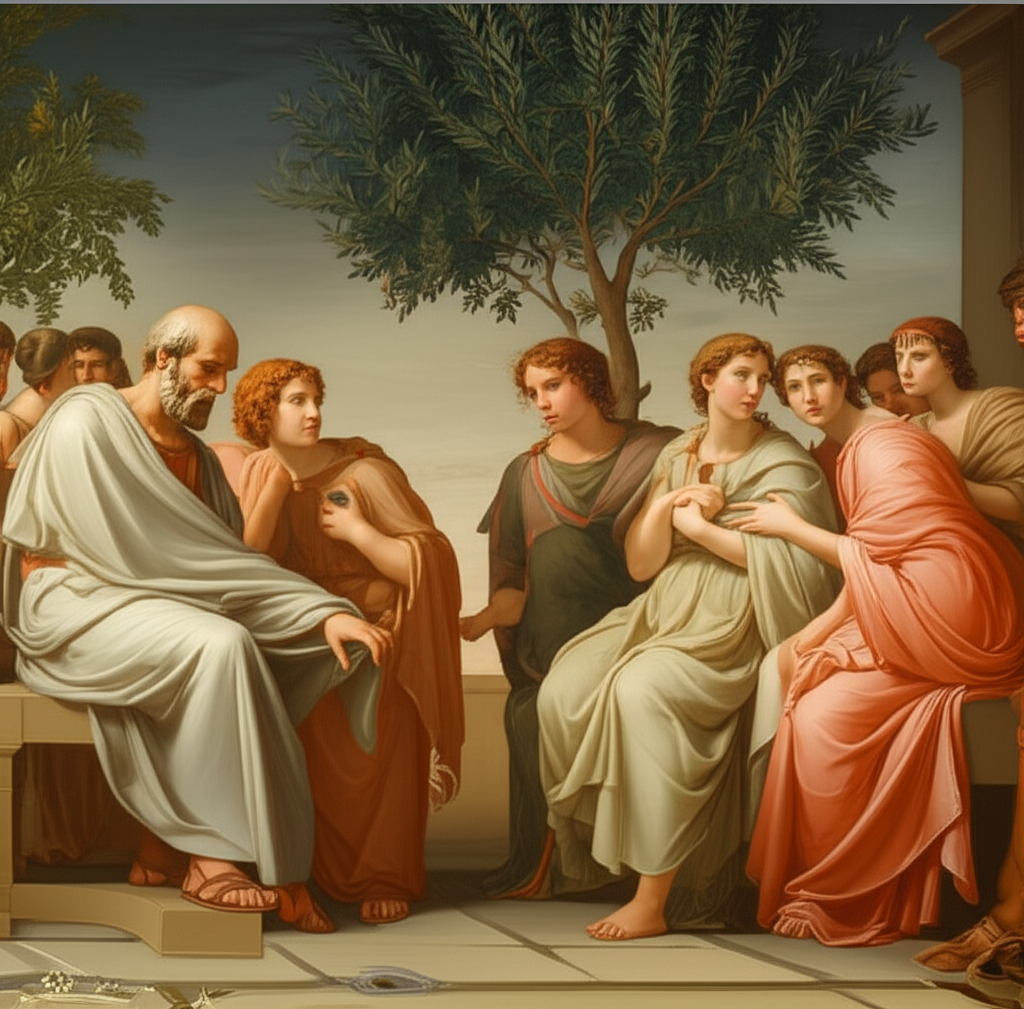
The State's Stake in Family Structure
The State has a vested interest in the structure and health of the Family. A stable and well-ordered family unit is often considered the bedrock of a stable society. Consequently, states, across history, have sought to influence, regulate, and even legislate aspects of family life, from marriage laws and divorce stipulations to educational mandates and welfare provisions. This intervention stems from the recognition that the family is not merely a private institution but a vital public good, essential for the production of future Citizens and the maintenance of social order.
- Population Growth and Continuity: The State relies on families for the perpetuation of its populace and workforce.
- Moral Order: Strong families, guided by established Custom and Convention, are often seen as crucial for maintaining societal morality and reducing crime.
- Economic Stability: Families are economic units, contributing to production, consumption, and the overall prosperity of the State.
Conclusion: The Enduring Philosophical Nexus
The dialogue between Family Structure and Social Custom is an ongoing philosophical inquiry, a testament to its enduring relevance. From the ancient Greek polis to the modern liberal democracy, thinkers have grappled with how best to reconcile the intimate bonds of family with the broader demands of the State. The Great Books of the Western World reveal that the Family is never truly isolated; it is always a reflection and a shaper of the Custom and Convention that define a society, profoundly influencing the development of the Citizen and the character of the State. To understand the family is, in essence, to understand the fundamental building blocks of human civilization itself.
📹 Related Video: ARISTOTLE ON: The Nicomachean Ethics
Video by: The School of Life
💡 Want different videos? Search YouTube for: ""Aristotle Politics Family Household State Philosophy""
📹 Related Video: PLATO ON: The Allegory of the Cave
Video by: The School of Life
💡 Want different videos? Search YouTube for: ""Plato's Republic Family and Education""