

The Crucible of Consciousness: Experience and the Formation of Opinion
Our understanding of the world, and indeed our very opinions, are inextricably linked to the sum of our individual experiences. From the raw data gathered by our senses to the complex conclusions shaped by our judgment, every belief we hold is, in some fundamental way, forged in the crucible of what we have encountered. This article explores the intricate dance between these elements, drawing on the timeless wisdom found in the Great Books of the Western World, to illuminate how our personal history of interaction with reality becomes the bedrock of our worldview.
The Primacy of Experience: The Foundation of Our Worldview
Before abstract thought or reasoned argument can take root, there is the immediate, undeniable presence of experience. As philosophers from Aristotle to John Locke have posited, all knowledge ultimately begins with the senses. We touch, see, hear, taste, and smell, gathering raw data from the world around us. This initial, unfiltered engagement forms the bedrock upon which all subsequent understanding is built.
Consider a child learning about fire. Initially, it's a flickering light, a warmth. Through repeated experience – perhaps touching it inadvertently, or observing its effects on other objects – the child begins to form a rudimentary understanding. This isn't yet a reasoned scientific analysis, but a collection of sensory inputs that coalesce into a practical understanding. This foundational layer of experience is universal, shaping our perceptions long before we articulate them as conscious opinions.
From Raw Sensation to Formed Belief: The Journey of Opinion
The mind does not merely passively receive sensory data; it actively processes it. When experiences are repeated, patterns emerge. We begin to generalize, to predict, and to make assumptions based on what has occurred before. This progression is where opinion truly begins to take shape.
- Sensory Input: Our senses gather data from the external world.
- Repeated Exposure: Consistent or similar sensory inputs accumulate over time, forming experiences.
- Pattern Recognition: The mind identifies regularities and connections within these accumulated experiences.
- Initial Belief/Opinion Formation: Based on these patterns, the individual forms provisional understandings or beliefs about how the world works. This is the essence of opinion.
Plato, in his Republic, famously distinguished between doxa (opinion) and episteme (true knowledge). Opinion, for Plato, was often rooted in the shifting appearances of the sensory world, lacking the stability and certainty of philosophical understanding. Yet, even for Plato, opinion was a necessary, albeit imperfect, step on the path to truth. It represents our best current understanding based on our lived experience.
The Architects of Understanding: How Judgment Frames Experience
While experience provides the raw material, it is the faculty of judgment that actively constructs our opinions. Judgment is not merely a passive reception; it is an interpretive, evaluative, and synthesizing process. It weighs different experiences, compares them, and integrates them into our existing mental frameworks.
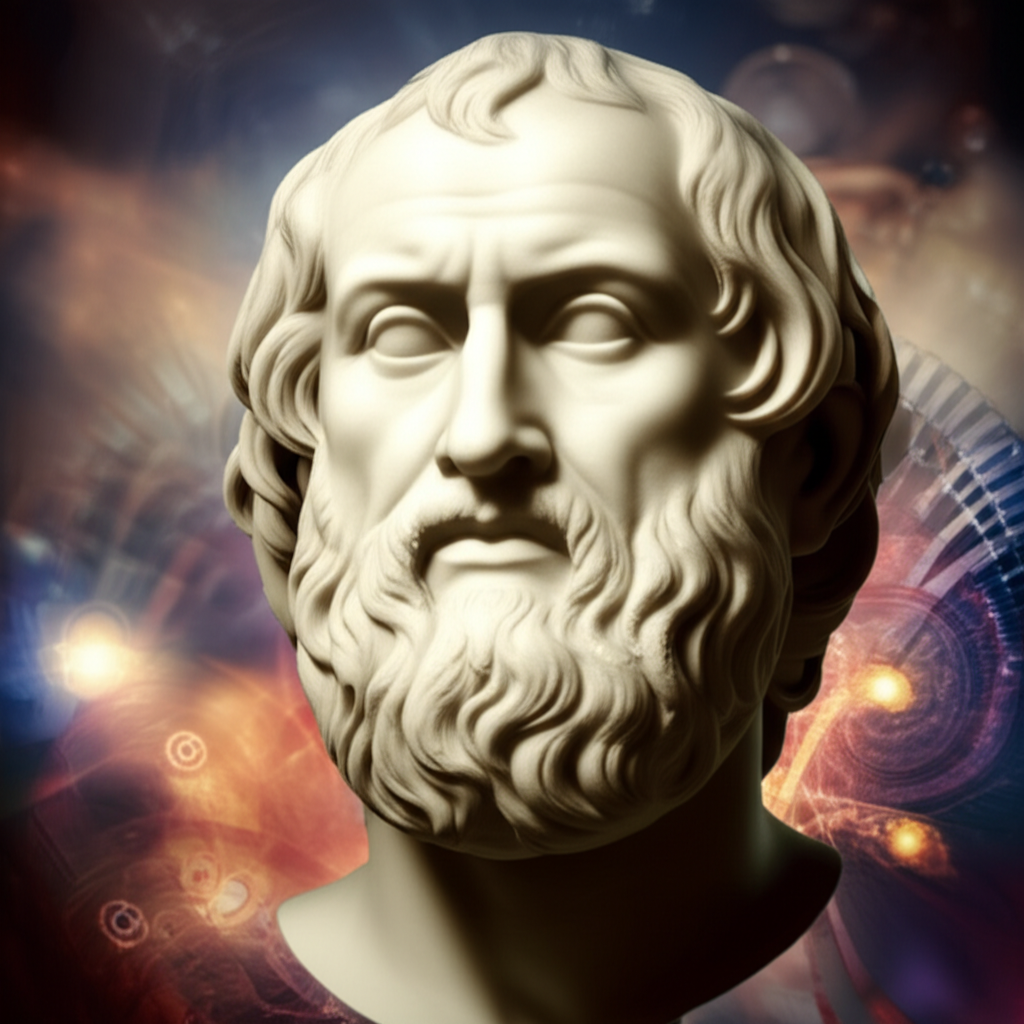
This active role of judgment means that two individuals can undergo vastly similar experiences and yet arrive at entirely different opinions. Factors influencing judgment include:
- Prior Beliefs: Our existing worldview acts as a filter, shaping how new experiences are interpreted.
- Reason and Logic: The application of rational thought to evaluate the coherence and consistency of experiences.
- Emotion: Our feelings and biases can powerfully sway our judgment, sometimes leading to irrational opinions.
- Memory: How we recall and prioritize past experiences influences current interpretations.
- Context: The specific circumstances surrounding an experience can alter its perceived meaning.
Immanuel Kant, in his Critique of Pure Reason, delved deeply into how our minds actively structure experience through innate categories of understanding, demonstrating that judgment is not merely about passively reflecting reality, but about actively constituting our perception of it. Our opinions, therefore, are not just reflections of the world, but constructions of our minds engaging with it.
The Shifting Sands of Belief: The Nature and Nuance of Opinion
The very nature of opinion is that it is often subjective, fallible, and subject to change. Unlike immutable scientific laws or philosophical truths, opinions are provisional. They are our best guess, our current understanding, based on the experiences we've accumulated and the judgments we've made.
- Subjectivity: My experience of a particular event will always be unique to me, leading to an opinion that is inherently personal.
- Fallibility: Because opinions are based on limited experience and potentially biased judgment, they can be incorrect or incomplete. New experience can, and often should, lead to a revision of opinion.
- Practical Necessity: Despite their potential flaws, opinions are essential for navigating daily life. We form opinions about people, situations, and choices, allowing us to make decisions and interact with the world effectively.
- Social Dimension: Opinions are not formed in a vacuum. Shared experiences within a community often lead to collective opinions, shaping cultural norms, political beliefs, and societal values. The interplay of individual judgment and collective experience forms the fabric of public opinion.
Cultivating Discernment: Towards a More Considered Outlook
The philosophical journey, as illuminated by the Great Books, is often a call to move beyond mere opinion towards a more robust and justifiable understanding. This doesn't mean abandoning experience, but rather refining our judgment of it.
Socrates, through his relentless questioning, sought to expose the shaky foundations of unexamined opinions, encouraging individuals to scrutinize their experiences and the judgments derived from them. The goal is not to eliminate opinion, for it is an indispensable part of human cognition, but to elevate it. By consciously reflecting on our experiences, challenging our assumptions, and critically evaluating our judgments, we can cultivate a more discerning and intellectually rigorous approach to forming our beliefs. This ongoing process transforms passive reception into active wisdom, moving us closer to a truth that transcends mere personal anecdote.
📹 Related Video: PLATO ON: The Allegory of the Cave
Video by: The School of Life
💡 Want different videos? Search YouTube for: "'Plato's Allegory of the Cave explained Great Books'"
📹 Related Video: What is Philosophy?
Video by: The School of Life
💡 Want different videos? Search YouTube for: "'John Locke Empiricism and Experience Philosophy'"