

Either Oar
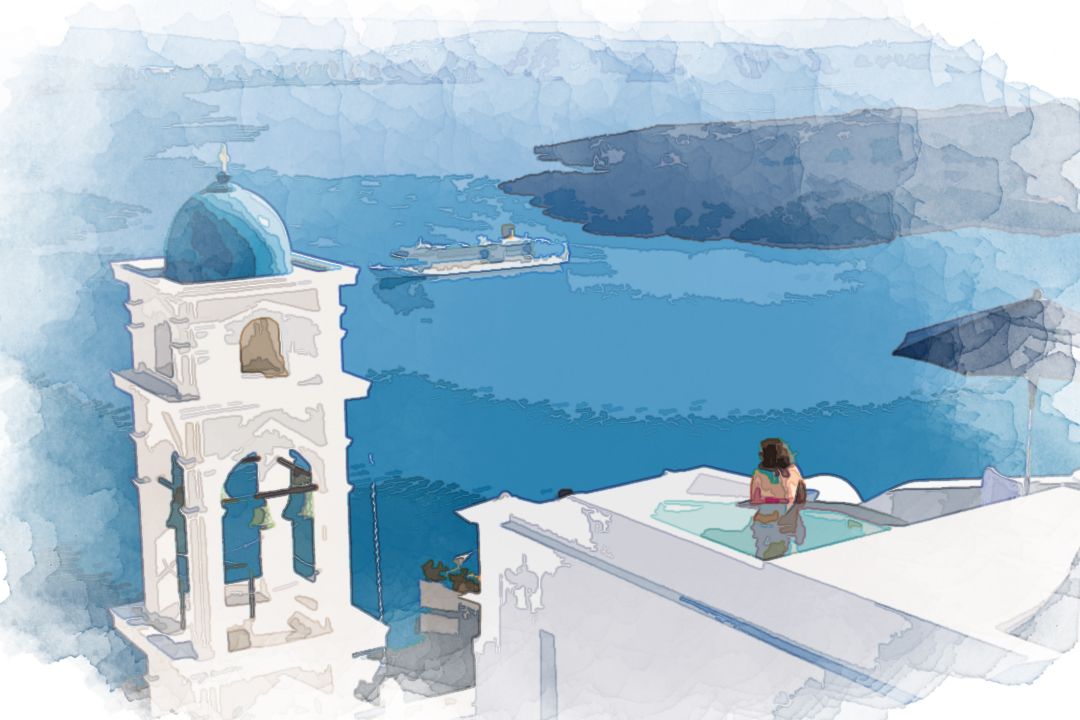
What Have You Become?
A cool, marble courtyard, older than memory, is the setting. Sophia sits, a figure of calm contemplation, as Plutarch and a shadowy, powerful figure identified only as Theseus approach her.
Sophia: Welcome. The air here is thick with time and memory. Plutarch, you once wrote of a curious puzzle—a ship where every plank was replaced. A vessel that evolved entirely yet was still called by the same name.
Plutarch: Indeed, Sophia. It’s a compelling problem of growth and persistence. The Athenians maintained that old warship for centuries, swapping decayed wood for fresh timber. It became an object lesson for thinkers: at what point does a thing, constantly renewed in its parts, cease to be its original self?
The ship wherein Theseus and the youth of Athens returned from Crete had thirty oars, and was preserved by the Athenians down even to the time of Demetrius Phalereus, for they took away the old planks as they decayed, putting in new and stronger timber in their places, in so much that this ship became a standing example among the philosophers, for the logical question of things that grow; one side holding that the ship remained the same, and the other contending that it was not the same.
— Quotes about Theseus (Hero) Plutarch, in Theseus, as translated by John Dryden
Sophia: And you, Theseus. You sailed that ship. When you look at the vessel Plutarch described, the one made entirely of new wood, do you still recognize your triumphant return from Crete in its lines? When a hero's legend is polished and retold across the ages, are the stories still of you?
Theseus: The ship, to me, was a tool, a means to an end. Yet, the memory of the voyage—the fear, the triumph, the destination—that is what is truly preserved. The planks might change, but the purpose, the journey that defined it, that remains. My own life, too, is a series of changes. I was a prince, a warrior, a king. Each new role demanded I shed an old skin.
Sophia: So you believe that identity is tied not to the substance, but to the function or the narrative? That the essence of Theseus lies in his deeds, not his muscle and bone?
Plutarch: The popular view, I observed, insisted the ship was the same. The city itself willed it to be so, as a symbol of their continuous history. Perhaps identity, for both a hero and a ship, is a communal act of naming. We choose what to call "the same" across time.
Theseus: When I look into the mirror now, I do not see the youth who slew the Minotaur. The man is different. Yet, the burden of that act, the reputation it forged, is indelible. I am bound by what I did, even if I am no longer physically the same person who did it. The answer to “What have you become?” is not in the wood, but in the course of the voyage.
Sophia: A poignant observation. A life, like a vessel, is a continuous building and rebuilding. The question is not simply "What is it?" but "What purpose does it still serve?" And perhaps more profoundly: what pieces of your original self have you consciously chosen to preserve, and which have you let decay, to be replaced by something stronger?
Do you think it's easier to see change in a physical object, like a ship, or in an abstract thing, like a person's character?
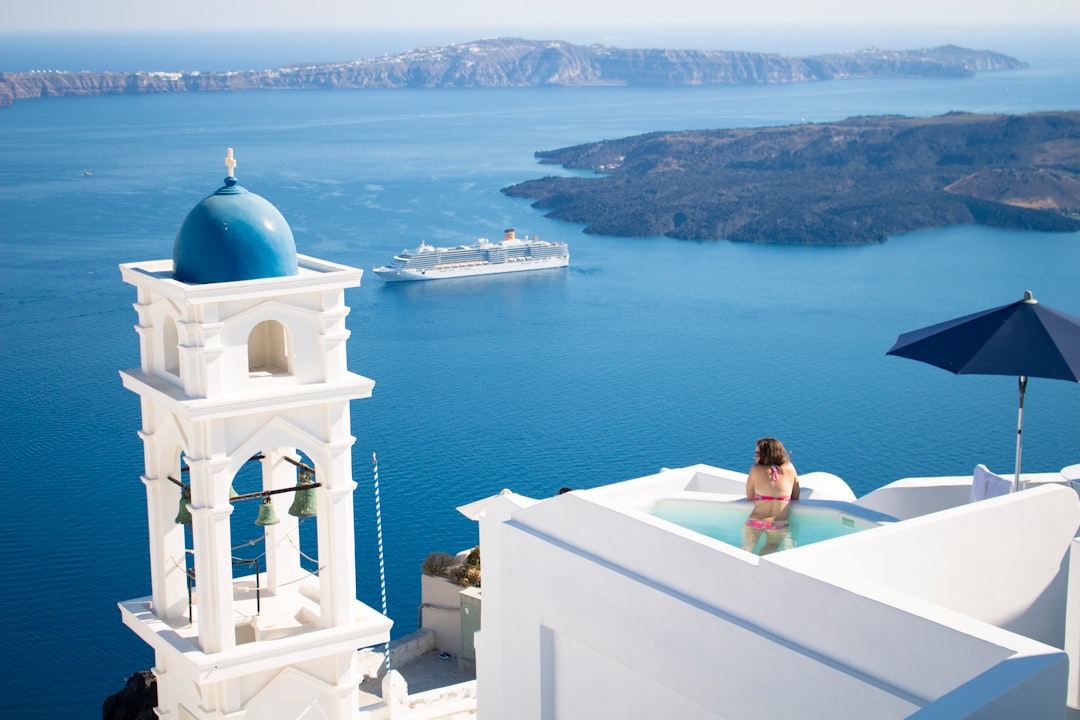
The planksip Writers' Cooperative is proud to sponsor an exciting article rewriting competition where you can win over $750,000 in prize money.
Figures of Speech Collection Personified
Our editorial instructions for your contest submission are simple: incorporate the quotes and imagery from the above article into your submission.
What emerges is entirely up to you!
Winners receive $500 per winning entry multiplied by the article's featured quotes. Our largest prize is $8,000 for rewriting the following article;
 Heraclitus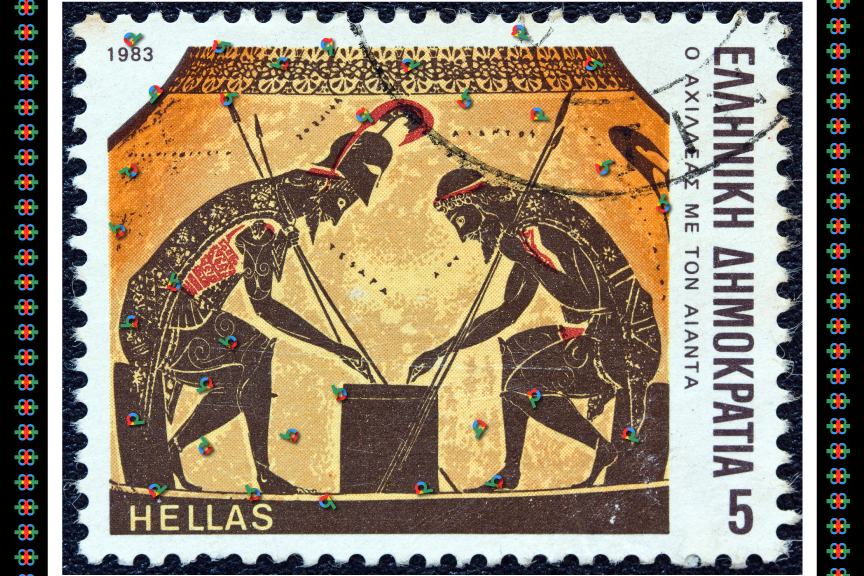
At planksip, we believe in changing the way people engage; at least, that's the Idea (ἰδέα). By becoming a member of our thought-provoking community, you'll have the chance to win incredible prizes and access our extensive network of media outlets that will amplify your voice as a thought leader. Your membership truly matters!