

Desire as the Cause of Sin: An Examination from the Great Books
Summary: From the ancient Greeks to the medieval scholastics, a persistent thread in Western thought posits that human desire often serves as the fundamental cause of sin. While not always a direct, unmediated link, the philosophical and theological traditions explored in the Great Books of the Western World frequently identify unchecked appetites, misguided longings, or a will swayed by passion as the origin point of moral transgression. Understanding this relationship is crucial for comprehending human nature and ethical conduct.
The Inextricable Link: Tracing Desire to Transgression
The notion that our inner yearnings can lead us astray is as old as philosophy itself. When we delve into the foundational texts, we find consistent inquiries into the nature of desire and its profound implications for human morality. Is desire inherently corrupt, or is it merely an impulse that requires proper governance by reason and will? The answer, as explored by the great thinkers, often points to desire as the cause, or at least the primary instigator, of actions deemed sinful.
Ancient Wisdom: Appetites, Reason, and the Path to Error
Long before the concept of "sin" was fully codified in Abrahamic traditions, Greek philosophers grappled with the internal struggle between base desire and higher reason.
Plato's Tripartite Soul and the Charioteer
Plato, in works like The Republic and Phaedrus, introduced the concept of the tripartite soul, comprising:
- Reason (λογιστικόν): The rational, truth-seeking part.
- Spirit (θυμοειδές): The emotional, honor-loving part.
- Appetite (ἐπιθυμητικόν): The part driven by bodily desires for food, drink, sex, and material possessions.
For Plato, sin or moral error arises when the appetitive part dominates, overriding reason. The famous allegory of the charioteer illustrates this: reason is the charioteer, guiding two horses – one noble (spirit) and one wild (appetite). When the wild horse runs rampant, pulled by its desires, the soul veers off course, leading to unjust and harmful actions. Here, uncontrolled desire is the clear cause of moral imbalance.
Aristotle and Akrasia: The Weakness of Will
Aristotle, while emphasizing the cultivation of virtue through habit, also recognized the phenomenon of akrasia, or weakness of will. In Nicomachean Ethics, he observed that individuals often know what is good, yet act contrary to their better judgment, succumbing to immediate pleasures or desires. This isn't ignorance, but a failure of the will to resist the pull of appetite. While not calling it "sin" in the theological sense, Aristotle highlights how desire can undermine rational choice, making it a powerful cause of deviation from virtuous conduct.
The Christian Perspective: Concupiscence and the Fallen Will
With the advent of Christian theology, the relationship between desire and sin became even more explicit and central to understanding human fallenness.
Augustine of Hippo: Concupiscence and Original Sin
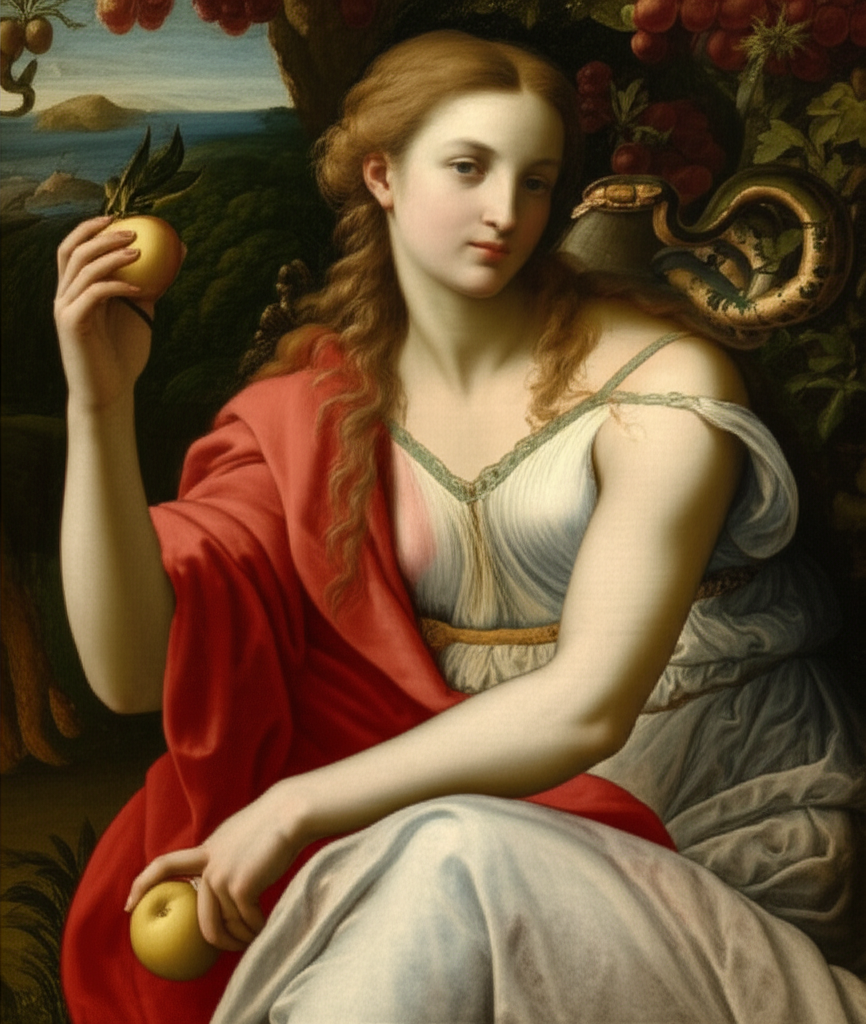
Saint Augustine, a pivotal figure in the Great Books, meticulously explored the origins of sin in works like Confessions and City of God. For Augustine, the Fall of Man introduced concupiscence – a disordered desire or inclination towards earthly pleasures, which now plagues humanity. This desire is not merely an impulse but a profound corruption of the will, making it prone to choosing evil over good.
- Original Sin: The first sin (Adam's disobedience) stemmed from a desire for self-exaltation and forbidden knowledge, corrupting the will.
- Concupiscence: As a result, humanity inherited a will weakened by disordered desires, which continually tempt us away from God. Thus, desire becomes the inherent cause of further sin.
Thomas Aquinas: Appetite for Apparent Good
St. Thomas Aquinas, building upon Aristotle and Augustine, also placed desire at the heart of sin. In Summa Theologica, he argued that every sin involves a turning away from the immutable good (God) and a turning towards some mutable good (a creaturely pleasure or object of desire). The intellect presents something as good, and the will then desires it. The error lies when this "apparent good" is chosen in a disordered way, elevating it above the ultimate good. The desire for this lesser good, when it contravenes divine law or right reason, is the immediate cause of the sinful act.
Table: Key Philosophical Views on Desire and Sin
| Philosopher/Theologian | Core Concept | Role of Desire | Role of Will | Outcome (Sin/Error) |
|---|---|---|---|---|
| Plato | Tripartite Soul | Appetites as lower, often unruly forces | Reason (Charioteer) should guide | Imbalance, injustice, moral failure when appetite dominates |
| Aristotle | Akrasia (Weakness of Will) | Can overpower rational judgment | Fails to resist immediate pleasures | Acting against one's better knowledge |
| Augustine | Concupiscence, Original Sin | Disordered inclination, a corruption of nature | Fallen, prone to choosing lesser goods | Actual sin, turning away from God |
| Aquinas | Appetite for Apparent Good | Seeking a mutable good in a disordered way | Chooses the apparent good over the true good | Moral transgression, turning away from God |
The Will: Arbiter or Victim in the Causal Chain?
While desire is frequently identified as the cause of sin, the role of the will is equally critical. Is desire an irresistible force, or does the will retain ultimate agency?
Thinkers like Kant, though not explicitly framing it as "sin," emphasized the importance of a good will. For Kant, moral action is not driven by inclination or desire, but by duty, stemming from a rational will that acts according to universalizable maxims. To act from desire or inclination, even if the outcome is good, is not truly moral. The will's failure to adhere to duty, often swayed by empirical desires, is where moral failing occurs.
The Great Books consistently highlight that while desire provides the impetus, it is the will's assent, or its failure to resist, that ultimately translates that desire into a sinful act. The will is either complicit or overcome.
Conclusion: A Persistent Philosophical Inquiry
From the dialogues of Plato to the systematic theology of Aquinas, the connection between desire and sin remains a cornerstone of Western philosophical and theological thought. Whether viewed as an unruly horse, a disordered appetite, or an inclination towards a lesser good, desire is consistently identified as a primary cause – or at least a necessary condition – for moral transgression. Understanding this complex interplay between our internal longings and our moral choices is not merely an academic exercise; it is fundamental to understanding ourselves and the perennial human struggle for virtue.
📹 Related Video: PLATO ON: The Allegory of the Cave
Video by: The School of Life
💡 Want different videos? Search YouTube for: ""Plato's Tripartite Soul Explained""
📹 Related Video: KANT ON: What is Enlightenment?
Video by: The School of Life
💡 Want different videos? Search YouTube for: ""Augustine on Sin and Free Will""