

Defining Beauty in Abstract Art: A Philosophical Inquiry
The quest to define Beauty has captivated philosophers for millennia, from the ancient Greeks pondering ideal Form to contemporary thinkers grappling with the complexities of modern Art. Yet, when we turn our gaze to Abstract Art, the challenge intensifies. Stripped of overt representation, abstract works compel us to re-evaluate our preconceived notions, forcing a deeper inquiry into the very essence of aesthetic experience. This article delves into the philosophical underpinnings of Beauty in the abstract, exploring how historical definitions both struggle and succeed in illuminating the unique aesthetic value of non-representational Art.
The Elusive Nature of Beauty: A Perennial Philosophical Problem
For centuries, philosophers have wrestled with the Definition of Beauty. Is it an objective quality inherent in the object itself, a subjective experience solely within the viewer, or perhaps a complex interplay of both? The Great Books of the Western World are replete with attempts to codify this elusive concept, often linking it to principles of harmony, proportion, and order. However, the advent of Abstract Art in the 20th century shattered many of these traditional frameworks, presenting canvases that defied easy categorization and challenged the very notion of what Art could be, and consequently, what Beauty might mean within it.
Classical Echoes: Form, Order, and the Ideal
Our philosophical journey into Beauty often begins with the ancients, particularly Plato and Aristotle, whose ideas on Form laid foundational groundwork.
- Plato's Transcendent Forms: For Plato, Beauty was not merely a characteristic of physical objects but an immutable, eternal Form existing in a realm beyond our senses. Particular beautiful things were merely imperfect reflections of this ultimate Form of Beauty. How, then, does one find this ideal Beauty in a Jackson Pollock drip painting or a Mark Rothko color field? Plato's framework suggests that true Beauty in Abstract Art might lie in its ability to evoke a sense of pure Form, a glimpse into an underlying order or emotional truth that transcends the mundane.
- Aristotle's Immanent Order: Aristotle, ever the empiricist, saw Beauty as residing within the object itself, characterized by order, symmetry, and definiteness. A beautiful object possessed a harmonious arrangement of parts, a
Formthat was complete and pleasing. In Abstract Art, this might translate to the deliberate composition of lines, colors, and textures, even if the overall image doesn't represent anything recognizable. TheBeautycould be in the internal logic of the piece, the balance, or the rhythm of itsForm.
The Subjective Turn: Kant and the Judgment of Taste
As philosophy progressed, the focus shifted, acknowledging the crucial role of the observer in defining Beauty. Immanuel Kant, a pivotal figure in this shift, argued that aesthetic judgments, while seemingly subjective, possess a peculiar kind of universality.
- Kant's Disinterested Pleasure: Kant proposed that a judgment of Beauty is characterized by "disinterested pleasure" – we appreciate the object for its own sake, without a personal stake or concept dictating our response. While the experience is subjective, Kant believed we implicitly expect others to agree, suggesting a shared human capacity for aesthetic appreciation. In Abstract Art, this resonates deeply. Lacking a narrative or mimetic subject, the viewer is often left to confront the Art on its own terms, finding
Beautyin the pure sensation, theFormitself, rather than in what it represents.
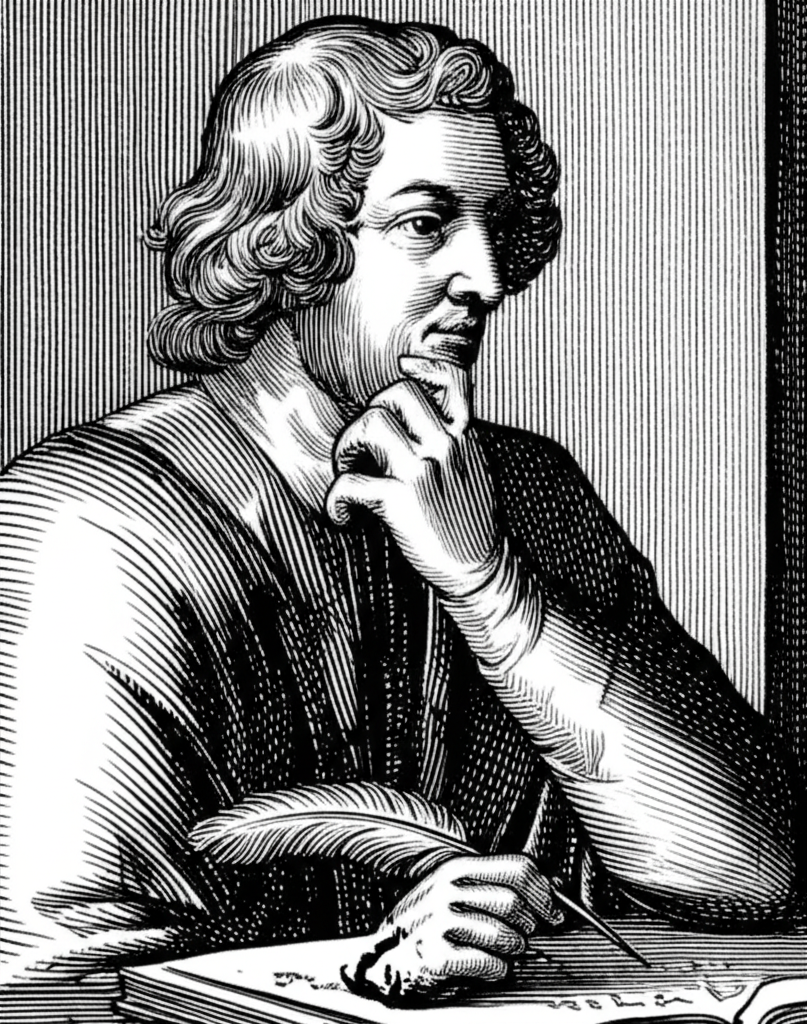 gazing intently at a geometric form or a swirling, non-representational pattern, with an expression of deep contemplation. The background might feature faint classical architecture fading into abstract shapes, symbolizing the bridge between traditional aesthetics and the challenge of new artistic forms. The lighting is dramatic, highlighting the intellectual struggle and the subjective experience of perception.)
- The Viewer's Indispensable Role: The
DefinitionofBeautyinAbstract Artoften hinges on the viewer's active engagement. Without a recognizable subject, theArtinvites interpretation, emotional response, and intellectual contemplation. TheBeautymay not be in theArtas much as it is elicited by theArtwithin the observer. This makes theDefinitionofBeautydynamic and participatory.
Abstract Art: Beyond Representation, Towards Pure Form
Abstract Art fundamentally redefines the canvas, shifting focus from imitation to pure artistic elements. It challenges us to find Beauty not in what is depicted, but in the manner of its depiction.
-
The Autonomy of Form: Pioneers of
Abstract Art, such as Wassily Kandinsky, Kazimir Malevich, and Piet Mondrian, sought to liberateArtfrom the shackles of objective reality. They believedArtcould communicate directly through color, line, andForm, evoking emotions and spiritual states without resorting to representation. TheBeautyhere is found in the intrinsic qualities of these elements:- Color's Emotional Resonance: The vibrant hues of a Rothko, the stark contrasts of a Malevich.
- Line's Dynamic Energy: The gestural spontaneity of Pollock, the precise geometry of Mondrian.
- Texture's Tactile Invitation: The impasto of a de Kooning, the smooth planes of a minimalist sculpture.
- Composition's Internal Logic: The balance, tension, and harmony created by the arrangement of elements.
These elements, divorced from narrative, become the sole carriers of aesthetic meaning, pushing the
DefinitionofBeautytowards a more elemental, sensory experience.
Reconciling Definitions: A Synthesis of Form and Feeling
So, how do we define Beauty in Abstract Art? It seems we must synthesize the objective and subjective, the classical and the contemporary.
-
A Dual Perspective on Abstract Beauty:
- Objective Formal Qualities: The inherent balance, rhythm, harmony, and unique
Formthat the artist imbues in the work. These can be analyzed and discussed, even if not universally agreed upon. - Subjective Emotional and Intellectual Response: The profound impact the
Arthas on the individual viewer, stirring emotions, provoking thought, or simply offering a moment of pure aesthetic pleasure.
The
BeautyofAbstract Artlies precisely in this dynamic interplay. It offers aFormthat is both complete in itself and endlessly open to interpretation, making theDefinitionofBeautyan ongoing dialogue between theArtand its beholder. - Objective Formal Qualities: The inherent balance, rhythm, harmony, and unique
Conclusion: An Ever-Evolving Definition
The journey to define Beauty in Abstract Art is a microcosm of the broader philosophical quest. It reveals that Beauty is not a static concept but an evolving one, shaped by cultural shifts, artistic innovation, and individual perception. Abstract Art, far from being a deviation, serves as a powerful testament to Art's capacity to transcend conventional understanding, pushing the boundaries of Form and inviting us to find Beauty in the pure, unadulterated expression of human creativity. It challenges us to look beyond the surface, to engage with the Art on a deeper level, and in doing so, to refine our own Definition of what it means to be beautiful.
YouTube Video Suggestions:
- YouTube: "Plato's Theory of Forms explained"
- YouTube: "Kant's Critique of Judgment explained aesthetics"
📹 Related Video: What is Philosophy?
Video by: The School of Life
💡 Want different videos? Search YouTube for: "Defining Beauty in Abstract Art philosophy"