

Defining Beauty in Abstract Art: A Philosophical Inquiry
Defining beauty in abstract art often feels like trying to grasp smoke – an elusive, subjective endeavor that challenges centuries of aesthetic thought. This article delves into how classical philosophical definitions of beauty, from Plato's ideals to Kant's disinterested judgment, can illuminate our understanding of non-representational works. We will explore how beauty in abstract art resides not in mimicry of the tangible world, but in its evocative power, its unique use of form, and the active, interpretive role of the viewer, ultimately proposing a re-evaluation of what constitutes beauty and art itself.
The Elusive Canvas: Where is Beauty in Abstract Art?
For many, abstract art presents a perplexing paradox. Where is the discernible form? What is the definition of beauty in a splash of color or a tangle of lines that doesn't represent anything recognizable? Is it merely a subjective "I know it when I see it," or is there a deeper philosophical framework that allows us to appreciate and define its inherent aesthetic value? The journey to answer this question takes us beyond mere representation and into the very essence of human perception and artistic expression.
Classical Echoes: Rethinking Form and Definition
To grapple with abstract beauty, we must first revisit the foundations of Western aesthetic philosophy, particularly as laid out in the Great Books of the Western World. These texts, while not directly addressing abstract art, provide powerful tools for re-evaluating our criteria for beauty and form.
From Plato's Ideals to Aristotle's Order
Plato, in his dialogues, posits beauty as an ultimate, transcendent Form – an ideal existing independently of any particular object. Physical beauty is merely a reflection, an imperfect copy of this higher truth. How then, does abstract art, which often deliberately avoids copying the physical world, connect to this Platonic ideal? Perhaps abstract art strives to express not the form of a tree or a human, but the form of an emotion, a concept, or an underlying universal pattern. It might aim to bypass the physical reflection to touch upon the essence of an ideal form directly.
Aristotle, on the other hand, grounded beauty in the observable world, emphasizing order, symmetry, and definiteness as key components. For him, a beautiful object possessed a harmonious arrangement of parts, a form that was complete and proportionate. While abstract art may lack conventional symmetry, it can certainly exhibit a profound sense of compositional order and definite structure in its arrangement of colors, lines, and textures. The definition of form here shifts from literal representation to the internal coherence and balance of the visual elements themselves.
Kant's Disinterested Gaze and the Sublime
Immanuel Kant offered a pivotal shift, suggesting that aesthetic judgment of beauty is "disinterested" – free from personal desire or utility. We appreciate beauty for its own sake. This concept is particularly resonant with abstract art. When we view a Rothko or a Pollock, we are not looking for utility or even a story; we are engaging with the art on a purely aesthetic level, finding pleasure in its form and sensory impact without needing it to be anything else.
Furthermore, Kant distinguished beauty from the sublime – an experience of overwhelming grandeur that transcends our capacity for comprehension, often evoking awe or even a touch of fear. Abstract art, with its vast canvases, intense colors, or chaotic energies, frequently evokes the sublime, challenging our perceptions and pushing the boundaries of what we consider aesthetically valuable. The definition of beauty expands to include experiences that are not merely pleasing, but profoundly moving and intellectually stimulating.
Abstract Beauty: A New Lexicon of Form
In abstract art, the very definition of form undergoes a radical transformation. It moves beyond the recognizable contours of objects to embrace the elemental language of visual perception.
Beyond Representation: The Language of Line, Color, and Texture
Here, form is not a depiction but a direct presentation. The beauty lies in the interplay of:
- Line: Its direction, thickness, and movement can create rhythm, tension, or serenity.
- Color: Its hue, saturation, and value evoke emotion, create depth, or establish harmony/dissonance.
- Texture: Its perceived or actual surface quality adds tactile richness and visual weight.
- Composition: The overall arrangement of these elements, creating balance, imbalance, or dynamic flow.
These elements, stripped of representational duties, communicate directly to our senses and emotions. The beauty is in their pure expression, their ability to evoke a feeling, a thought, or a state of being without the mediation of a recognizable image. The definition of form becomes an exploration of visual language itself.
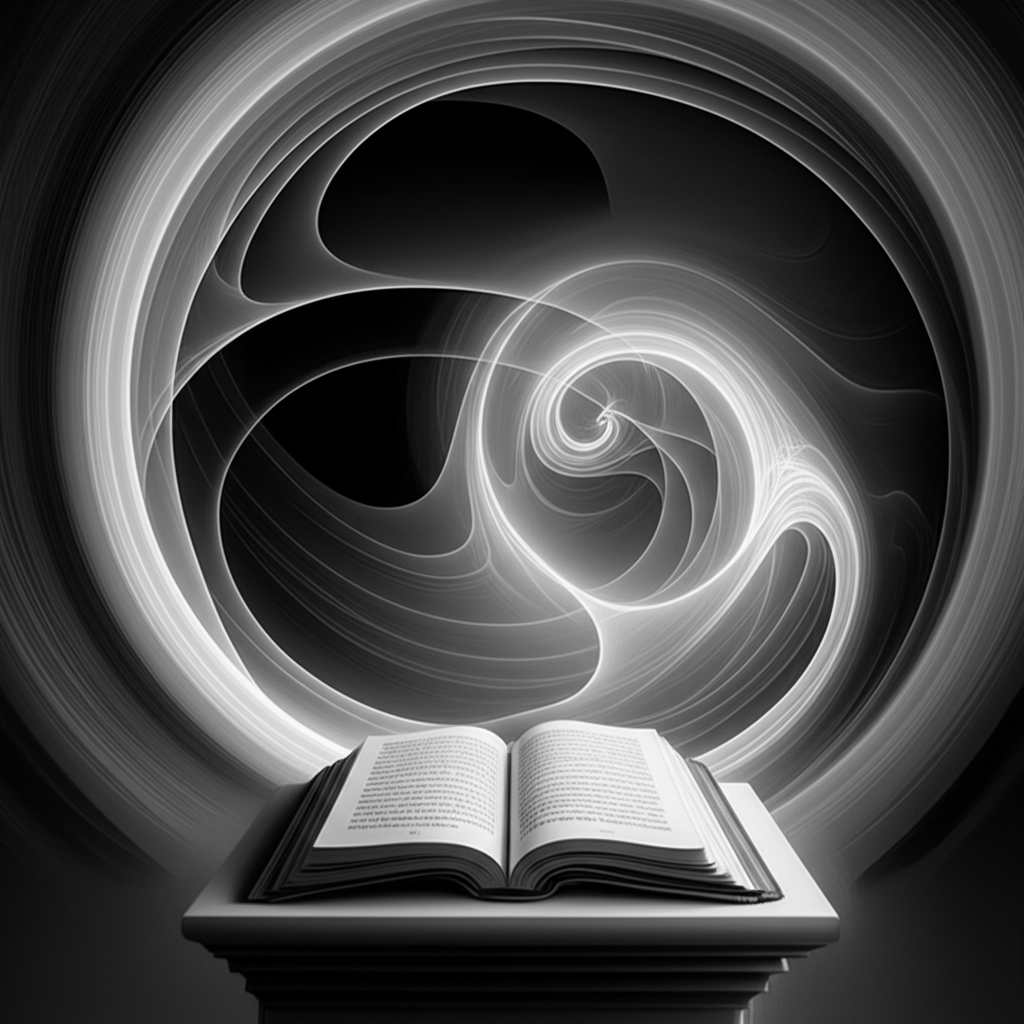
The Viewer's Role: Co-creation of Definition
Perhaps the most significant aspect of defining beauty in abstract art is the active role of the viewer. Unlike traditional representational art where the artist often dictates the narrative, abstract art invites personal interpretation. The beauty emerges in the dialogue between the artwork and the observer's mind, experiences, and emotions. The definition becomes a co-creation, a subjective yet profound encounter.
Here are some elements often considered when discerning beauty in abstract art:
- Compositional Harmony: The pleasing arrangement of visual elements, even if non-representational.
- Emotional Resonance: The capacity of the
artto evoke feelings, moods, or states of mind. - Intellectual Stimulation: The way the
artchallenges perception, thought, or preconceived notions. - Purity of Expression: The directness and authenticity of the artist's statement or gesture.
- Dynamic Tension: The interplay of opposing forces (e.g., light/dark, soft/hard, static/dynamic) that creates visual interest.
- Sensory Engagement: The richness of color, texture, and
formthat delights the eye.
A Plurality of Perceptions: Is Beauty Universal?
Ultimately, the definition of beauty in abstract art resists a singular, universally agreed-upon answer. It forces us to acknowledge a plurality of perceptions and to expand our understanding of what art can be. While classical philosophies provided robust frameworks for beauty rooted in order and ideal form, abstract art compels us to apply these concepts with greater flexibility, recognizing beauty in the evocative, the challenging, and the purely expressive.
The beauty of abstract art lies in its freedom – its freedom from literal representation, its freedom to explore pure form, and its freedom to engage the viewer in a deeply personal and often profound dialogue. It reminds us that beauty is not just about what we see, but how we see, how we feel, and how we interpret the boundless possibilities of human creativity.
📹 Related Video: What is Philosophy?
Video by: The School of Life
💡 Want different videos? Search YouTube for: ""The Philosophy of Abstract Art Explained""
📹 Related Video: KANT ON: What is Enlightenment?
Video by: The School of Life
💡 Want different videos? Search YouTube for: ""Kant's Aesthetics and the Sublime""