

Christian Ethics
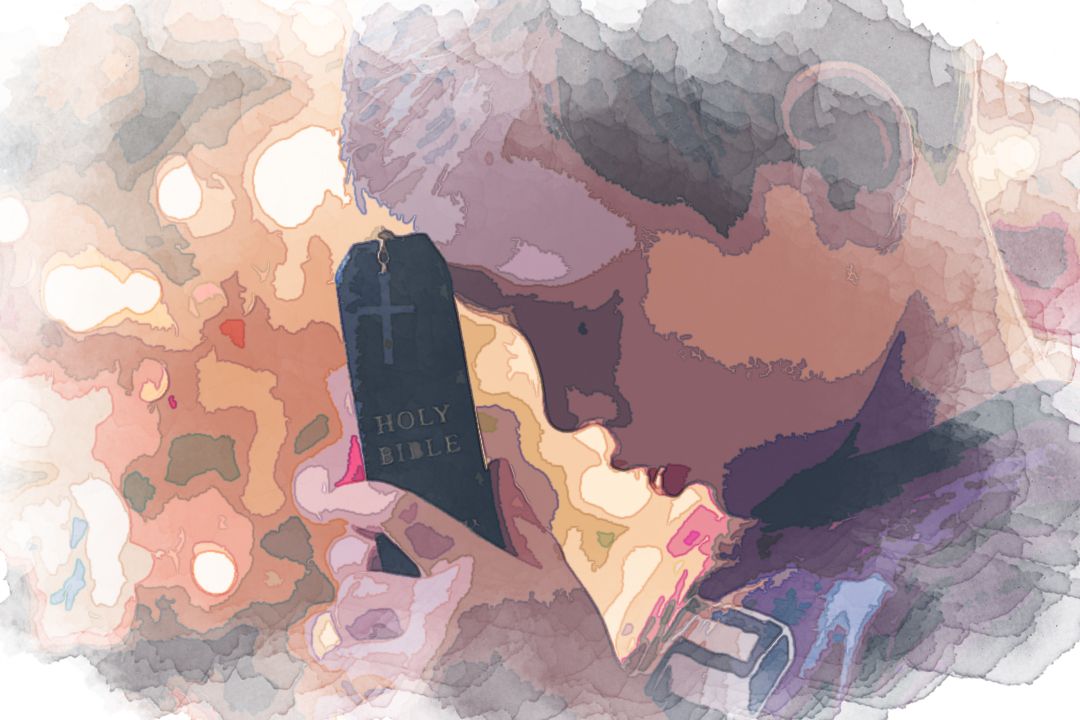
One Man's Abuse is another Man's Salvation
Sophia: Hello, Christopher. I've been considering your observation about certain doctrines—how they can use fear as a tool to control the innocent and how they can diminish a person's worth based merely on their sex. You see the shadow these beliefs cast upon the world.
Christopher: Precisely, Sophia. When an ideology holds up a terrifying afterlife as a threat to coerce obedience, or when it declares half the human race as innately lesser, I can’t see the good in that. It feels less like salvation and more like a systematic abuse of trust and dignity. How can something that cripples the spirit be considered a blessing?
Sophia: You've touched on the very core of this complex knot. The same system that you see as psychologically damaging and demeaning—this fear of a great punishment, this rigid hierarchy—is, for some, the structure that holds their entire world together.
Christopher: I struggle to see how that's a good thing. It’s a comfortable cage, perhaps, but a cage nonetheless.
To terrify children with the image of hell... to consider women an inferior creation. Is that good for the world?
— Christopher Hitchens (1949-2011)
Sophia: Think of it this way: when a person is consumed by chaos, by despair, or by a lack of meaning, the absolute certainty—even of a terrifying threat—offers a definitive map. The promise of salvation, predicated on accepting their 'inferior' place or adhering to a demanding moral code, pulls them out of an internal abyss. They trade an overwhelming, existential dread for a manageable, defined fear and a sense of belonging. What you correctly identify as abuse—the terror, the submission—they experience as a welcome salvation from anarchy. The rigidity that stifles the free mind provides a necessary anchor for the lost one.
Christopher: So the very mechanism that oppresses one mind by denying its freedom or its equality is the same mechanism that rescues another from the crushing weight of having too much freedom—too much responsibility for their own meaning.
Sophia: You’ve grasped the paradox. The human need for structure is so profound that if a belief system offers a compelling answer to the universe’s most terrifying questions—Why are we here? What happens when we die?—some will embrace it, chains and all. They find peace not in defiance, but in submission to a grander narrative. The terror of Hell creates a vivid necessity for a virtuous life; the doctrine of inferiority creates a defined, if smaller, role to play. Their salvation is bought with a currency you find too steep: self-abnegation and fear. The tragedy is that what one person uses to build a life of service and comfort, another uses to justify cruelty and limit the potential of others.
Christopher: A sobering thought. The poison is also the antidote, depending on the sickness it's treating.
Sophia: Indeed. It forces us to ask: Is the structure of belief inherently good, or is its value entirely dependent on the individual who receives it—whether they are looking for a pretext for cruelty, or a simple raft on a tumultuous sea?
Do you see the distinction between the "abuse" and the "salvation" as one of perspective, or one of inherent value?

The planksip Writers' Cooperative is proud to sponsor an exciting article rewriting competition where you can win part of over $750,000 in available prize money.
Figures of Speech Collection Personified
Our editorial instructions for your contest submission are simple: incorporate the quotes and imagery from the above article into your submission.
What emerges is entirely up to you!
Winners receive $500 per winning entry multiplied by the article's featured quotes. Our largest prize is $8,000 for rewriting the following article;
 Heraclitus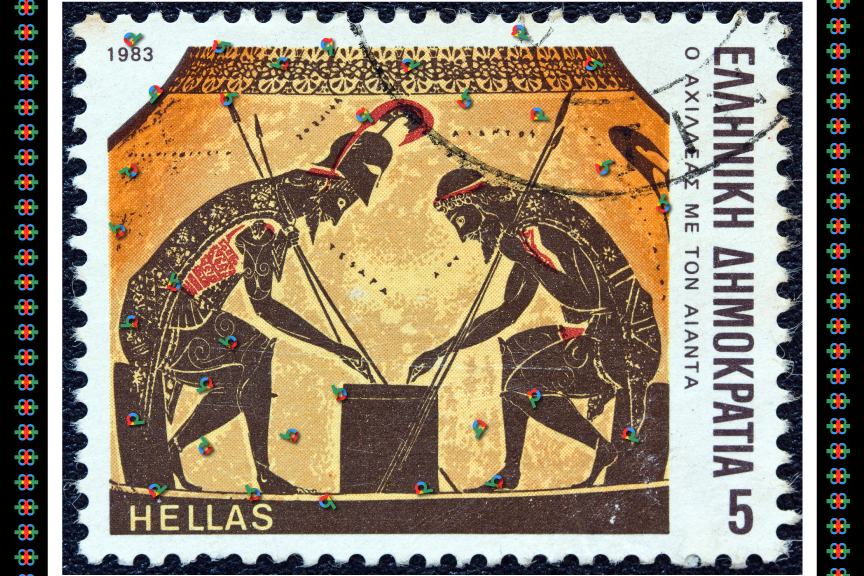
At planksip, we believe in changing the way people engage—at least, that's the Idea (ἰδέα). By becoming a member of our thought-provoking community, you'll have the chance to win incredible prizes and access our extensive network of media outlets, which will amplify your voice as a thought leader. Your membership truly matters!