

The Noble Burden: Aristocracy, Honor, and the Art of Government
The concept of aristocracy, traditionally understood as "rule by the best," has long been intertwined with a profound sense of honor. This isn't merely a historical curiosity but a philosophical inquiry into the nature of leadership, virtue, and the very foundations of good government. Drawing from the rich tapestry of the Great Books of the Western World, we find that for centuries, the ideal aristocrat was not simply born into privilege, but was expected to embody a rigorous code of conduct, driven by a commitment to the common good and a fear of disgrace. This article explores how honor served as the moral compass for aristocratic rule, shaped by custom and convention, and what enduring lessons it offers regarding the responsibilities of those who govern.
The Ideal of Aristocracy: What Did the Ancients Mean by "Rule of the Best"?
When thinkers like Plato and Aristotle discussed aristocracy, they weren't primarily referring to hereditary nobility, but to a form of government where the most virtuous and capable individuals led society. For Plato, in his Republic, the ideal state would be governed by "philosopher-kings" – individuals trained in wisdom, justice, and courage, whose rule was based on knowledge and a selfless dedication to the city's well-being. Their authority derived not from birthright or wealth, but from their superior moral and intellectual arete (excellence).
Aristotle, in his Politics, distinguished aristocracy as a correct form of government alongside monarchy and polity, where rulers govern for the common good, not for their own benefit. He posited that such rulers would be those excelling in virtue, possessing not just practical wisdom but also the moral character to employ it justly. The notion of "the best" was intrinsically linked to a cultivated character, capable of judgment, courage, and temperance.
Honor as the Guiding Star: The Moral Compass of the Elite
At the heart of this ideal aristocracy lay the concept of honor. Unlike mere reputation, honor was an internal ethical code, a deeply ingrained sense of self-worth tied to public esteem and the fulfillment of one's duties. For the aristocratic class, honor was paramount, often valued above wealth or even life itself.
Consider the heroes of Homer's epics, Achilles and Odysseus, whose actions, though sometimes flawed, are constantly measured against a public and personal code of honor. Their pursuit of kleos (glory or renown) was not simply vanity, but a striving for recognition that came from demonstrating valor, wisdom, and adherence to societal norms.
- Public Service: To be honorable meant to serve the state, often in military command or political office, with integrity and self-sacrifice.
- Moral Integrity: Dishonor was a fate worse than death, implying a betrayal of trust, cowardice, or corruption. An honorable leader was expected to be just, truthful, and unwavering in their commitments.
- Personal Dignity: Honor also dictated personal conduct, demanding dignity, self-control, and adherence to a strict code of etiquette, particularly in interactions with peers and subordinates.
This internal compass of honor was a powerful motivator, encouraging virtuous action and deterring corruption, as the loss of honor meant social ostracization and personal shame.
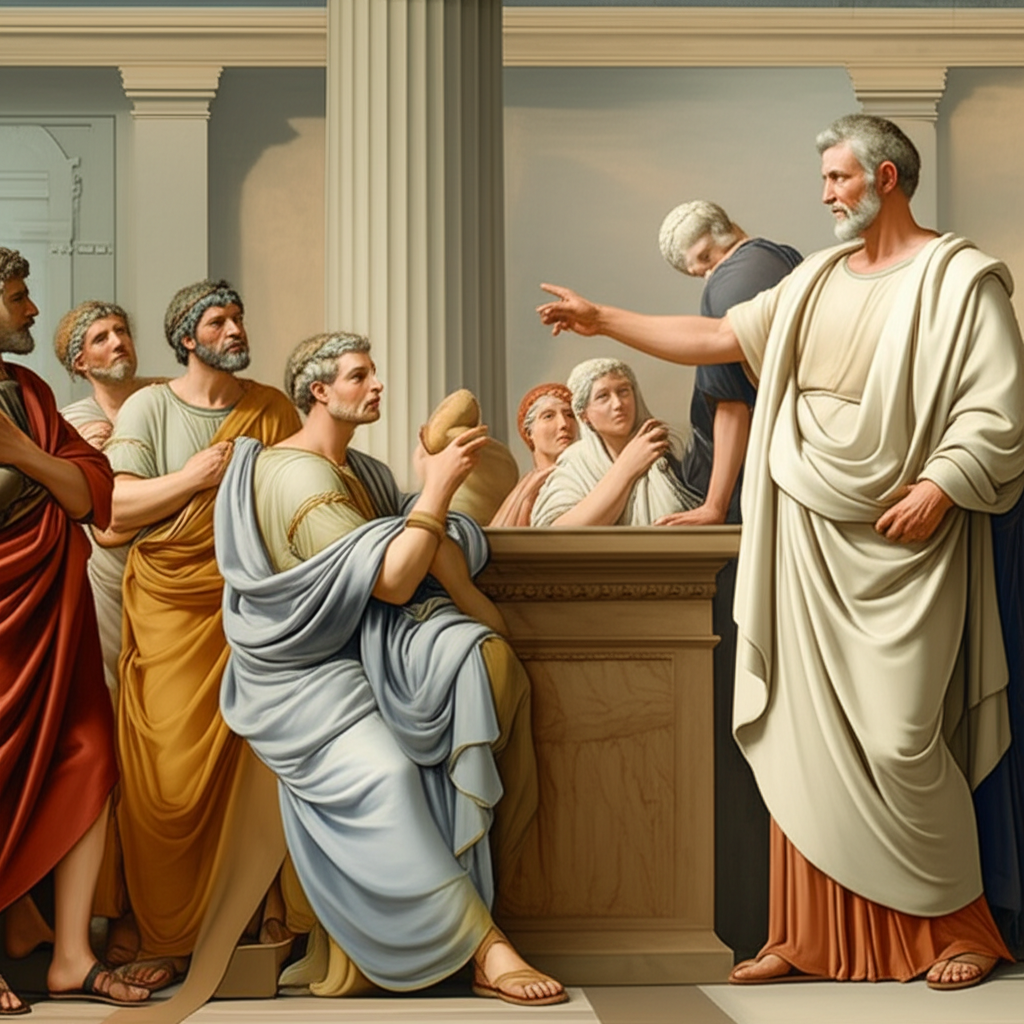
Custom, Convention, and the Weight of Expectation
The cultivation and maintenance of honor within aristocratic societies were heavily dependent on custom and convention. These unwritten rules, passed down through generations, shaped the education, behavior, and expectations placed upon the ruling class.
Mechanisms of Reinforcement:
- Education: Young aristocrats were rigorously educated in rhetoric, philosophy, military strategy, and ethical conduct, designed to instill the values of courage, justice, and public service. They learned through history, poetry, and philosophy what it meant to be a great and honorable leader.
- Social Rituals: Duels, oaths, and formal ceremonies reinforced the seriousness of honor and the consequences of its breach. These rituals served as public declarations of commitment to a code.
- Public Opinion: The constant scrutiny of peers and the wider populace acted as a powerful check. A leader's reputation, their honor, was their most valuable asset, easily tarnished by perceived failures or moral lapses.
- Genealogy and Legacy: The weight of one's ancestors' achievements and the desire to leave an honorable legacy for future generations provided a strong incentive for virtuous conduct.
This intricate web of social pressures and inherited traditions ensured that the pursuit of honor was not merely an individual aspiration but a societal imperative for those in positions of power. The very structure of aristocratic life, from its family dynamics to its political institutions, was designed to produce and uphold this specific moral character.
The Decline and Transformation of Aristocratic Honor
As societies evolved and new forms of government emerged, the traditional concept of aristocratic honor faced significant challenges. The rise of democratic ideals questioned the very premise of rule by a select few, regardless of their virtue. Thinkers like Machiavelli, while acknowledging the importance of reputation, often prioritized the pragmatic maintenance of power over abstract notions of honor, especially when the two conflicted.
Yet, even in its decline, the aristocratic ideal of honor left an indelible mark on political thought. The call for leaders of integrity, who prioritize the common good over personal gain, echoes the ancient understanding of the honorable ruler. The tension between power and virtue, between self-interest and public service, remains a central theme in political philosophy, reminding us of the enduring questions posed by the ideal of an honorable aristocracy.
Conclusion: Enduring Lessons from a Noble Ideal
The study of aristocracy and its intricate relationship with honor, as illuminated by the Great Books of the Western World, offers more than just a glimpse into historical forms of government. It provides a profound meditation on the nature of leadership, the responsibilities that come with power, and the societal forces of custom and convention that shape human character. While the concept of a ruling class defined by inherent nobility may be largely anachronistic today, the aspiration for leaders guided by wisdom, courage, and an unshakeable commitment to the common good—a true sense of honor—remains a timeless and vital pursuit in any society.
YouTube Video Suggestions:
-
📹 Related Video: PLATO ON: The Allegory of the Cave
Video by: The School of Life
💡 Want different videos? Search YouTube for: "Plato Republic Philosopher Kings"
-
📹 Related Video: ARISTOTLE ON: The Nicomachean Ethics
Video by: The School of Life
💡 Want different videos? Search YouTube for: "Aristotle Politics Forms of Government Virtue"