

Aristocracy and the Concept of Honor: A Philosophical Nexus
The Enduring Link Between Elite Rule and Moral Esteem
The concepts of aristocracy and honor are intrinsically woven into the fabric of Western political thought, representing not merely forms of government but deeply ingrained social ideals. This article explores their complex relationship, examining how honor served as both the bedrock and the potential pitfall of aristocratic rule, shaped by custom and convention. From the "rule of the best" to the perils of inherited privilege, we delve into the philosophical underpinnings that defined these powerful forces, drawing insights from the enduring wisdom of the Great Books of the Western World.
Understanding Aristocracy: The Rule of the "Best"
At its etymological root, aristocracy (from Greek aristokratia) signifies the "rule of the best." This ideal, championed by thinkers like Plato and Aristotle, envisioned a government led by those possessing superior virtue, wisdom, and courage—qualities deemed essential for guiding the polis towards the common good. It was not, in its purest form, a system based on wealth or birthright alone, but on a cultivated excellence.
Key Characteristics of Ideal Aristocracy:
- Rule by Virtue: Leaders are chosen or emerge due to their inherent or cultivated moral and intellectual superiority.
- Pursuit of the Common Good: The primary aim of aristocratic government is the welfare and flourishing of all citizens.
- Meritocratic Tendencies: While often hereditary in practice, the ideal sought individuals truly deserving of leadership.
This ideal contrasted sharply with other forms of government such as oligarchy (rule by the wealthy) or democracy (rule by the many), which were often seen as susceptible to the whims of self-interest or ignorance. For the aristocrat, leadership was a burden of responsibility, a duty to uphold the highest standards for the sake of the community.
Honor: The Lifeblood of Aristocratic Societies
Honor is not merely reputation; it is a profound moral and social currency, particularly within an aristocratic framework. It represents the public acknowledgment of an individual's adherence to a specific code of conduct, a recognition of their worthiness and virtue. In aristocratic societies, honor was often tied to:
- Courage and Military Prowess: Especially in ancient and medieval contexts, demonstrating bravery in battle was a primary route to honor.
- Integrity and Upholding Oaths: A person's word, their commitment to promises, and their adherence to justice were paramount.
- Magnanimity and Generosity: The "best" were expected to be noble in spirit, charitable, and disdainful of petty concerns.
- Adherence to Custom and Convention: Honor was deeply embedded in the established social norms and traditions. Violating these could lead to profound dishonor.
The Dual Nature of Honor:
- Internal Virtue: Honor as a personal commitment to ethical principles and self-respect. It's the inner compass guiding noble action.
- External Recognition: Honor as the esteem and respect granted by one's peers and society. It's the social reward for embodying those virtues.
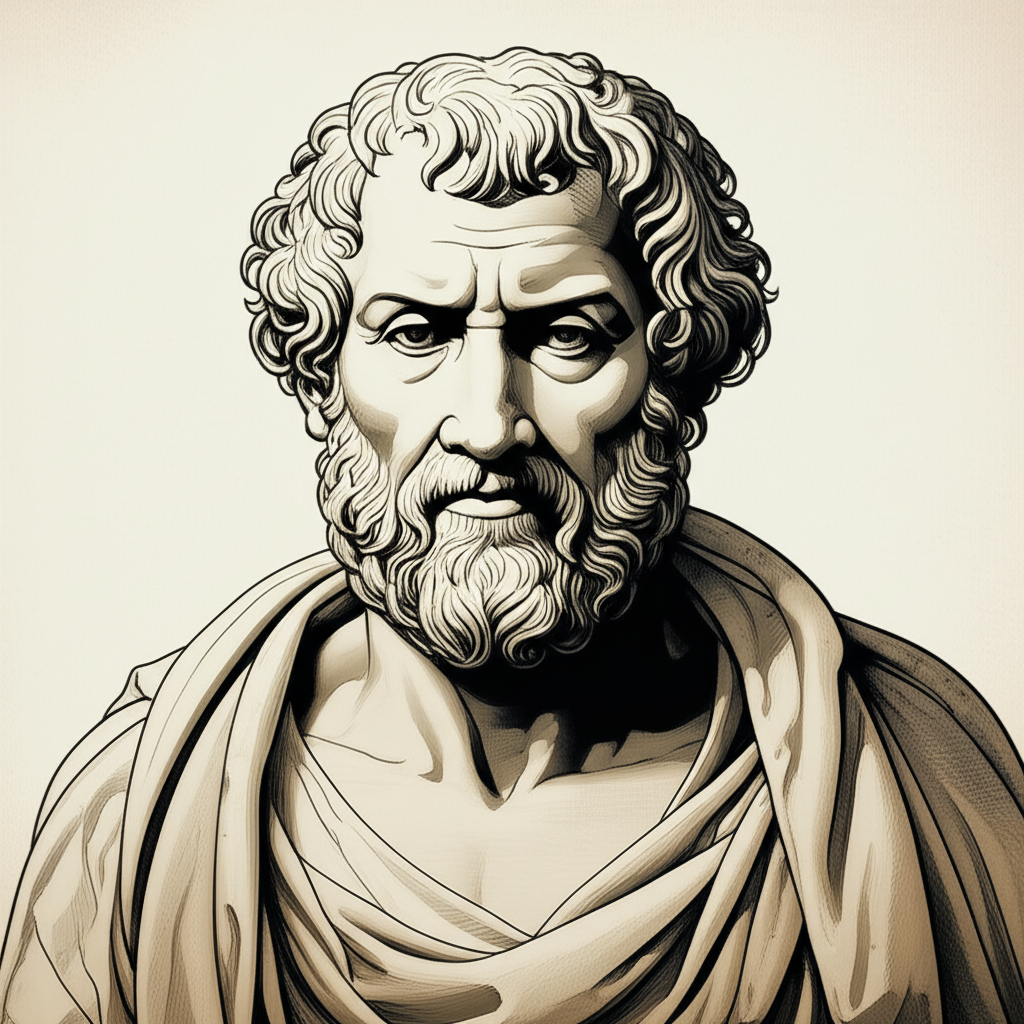 in thoughtful discussion with a group of younger, attentive students, set against the backdrop of an Athenian stoa, symbolizing the transmission of ethical and political ideals from the "best" to the next generation.)
The pursuit and maintenance of honor profoundly influenced daily life, political decisions, and even warfare. Disgrace or public shame could be a fate worse than death, leading to duels, ostracism, or the collapse of political careers.
Government, Custom, and Convention: The Framework of Honor
The relationship between aristocracy, honor, and government was solidified through intricate systems of custom and convention. These unwritten rules and established practices dictated everything from social etiquette to political succession, ensuring that the concept of honor remained central to the ruling class.
How Custom and Convention Sustained Honor:
- Education and Upbringing: Aristocratic youth were rigorously trained in the virtues of their class, instilled with a sense of duty, courage, and the importance of their family's name. This was often detailed in works like Plutarch's Parallel Lives.
- Rituals and Ceremonies: Public displays, awards, and formal protocols reinforced the social hierarchy and celebrated honorable conduct.
- Codes of Conduct: Chivalric codes, gentleman's agreements, and unwritten laws of war all served to define and enforce honorable behavior, particularly among the elite.
- Reputation as Capital: A family's or individual's reputation, built over generations, was a form of political and social capital. To lose honor was to lose influence and standing.
These conventions, however, also presented a paradox. While designed to uphold virtue, they could ossify into mere formality, allowing inherited status to overshadow genuine merit. When honor became detached from virtue and tied solely to birth or outward display, aristocracy risked degenerating into an oligarchy or a corrupt hereditary system, as critiqued by many philosophers, including those in the Great Books.
The Decline and Legacy of Aristocratic Honor
The ideal of an aristocracy guided by honor faced numerous challenges throughout history. The rise of new social classes, the changing nature of warfare, and the increasing complexity of modern states gradually eroded the foundations upon which aristocratic honor was built.
Factors Contributing to Decline:
- Hereditary Privilege vs. Merit: When inherited status became the sole criterion for leadership, the "best" ideal was corrupted.
- Economic Shifts: The growth of commerce and industry created new forms of wealth and power, challenging traditional land-based aristocracies.
- Enlightenment Critiques: Philosophers questioned the legitimacy of inherited power, advocating for individual rights and meritocracy based on universal principles.
- The Perils of Vanity: Honor, when unmoored from genuine virtue, could devolve into pride, dueling, and an obsession with superficial status.
Despite its historical decline as a dominant form of government, the philosophical implications of aristocracy and honor endure. Modern societies still grapple with questions of merit, ethical leadership, and the role of public esteem in shaping individual and collective action. The call for leaders who embody integrity, courage, and a commitment to the common good echoes the ancient aristocratic ideal, albeit stripped of its hereditary trappings.
Conclusion: Honor's Enduring Philosophical Resonance
The intricate relationship between aristocracy and honor offers a profound lens through which to view the evolution of political thought and social ethics. While the practical application of aristocratic government has largely faded, the philosophical debates it sparked regarding virtue, leadership, and the role of custom and convention in shaping human conduct remain highly relevant. The pursuit of honor, whether individual or collective, continues to drive human endeavor, reminding us that the "best" in society are often those who uphold the highest standards of integrity and service, striving for a form of excellence that transcends mere power or privilege.
📹 Related Video: PLATO ON: The Allegory of the Cave
Video by: The School of Life
💡 Want different videos? Search YouTube for: ""Plato Aristotle Forms of Government" or "Concept of Honor Ancient Greece Philosophy""