

Aristocracy and the Concept of Honor: A Philosophical Inquiry
Summary: This article delves into the intricate relationship between aristocracy as a form of government and the profound concept of honor. We explore how the ideal of aristocratic rule, often envisioned as governance by the "best," is inextricably linked to a rigorous code of honor, shaped and enforced by custom and convention. From ancient Greek philosophy to later political thought, honor served not merely as a personal virtue but as the very foundation of legitimacy and authority within aristocratic structures, dictating conduct, motivating public service, and defining the moral landscape of the ruling class.
The Enduring Allure of Aristocracy and Honor
In the annals of political thought, few concepts have captivated philosophers and shaped societies quite like aristocracy and honor. Far from simply denoting a hereditary class, classical aristocracy, as envisioned by thinkers like Plato and Aristotle, represented the rule of the best – those individuals deemed most virtuous, wise, and capable of governing for the common good. This ideal, however, could not exist in a vacuum; it demanded a powerful, pervasive ethical framework to guide its practitioners. That framework was, in essence, the concept of honor.
To truly understand aristocracy, one must grapple with the profound role honor played in its self-conception and functionality. It was the currency of their moral economy, the standard by which their actions were judged, and often, the very justification for their claim to leadership.
Defining Aristocracy: Beyond Mere Nobility
The term aristocracy itself derives from the Greek aristokratia, meaning "rule of the best." This immediately distinguishes it from mere oligarchy (rule of the few) or plutocracy (rule of the wealthy). For the classical philosophers, the "best" referred not to birthright or riches, but to those possessing superior virtue (aretē), intellect, and a profound commitment to justice.
Ideal vs. Practical Aristocracy
| Aspect | Ideal Aristocracy (Philosophical) | Practical Aristocracy (Historical) |
|---|---|---|
| Basis of Rule | Virtue, Wisdom, Justice, Public Service | Birthright, Wealth, Military Prowess |
| Goal of Government | The Common Good, Eudaimonia (Human Flourishing) | Preservation of Class Privilege, Stability, Personal Glory |
| Defining Trait | Moral Excellence, Selflessness | Pedigree, Status, Adherence to Social Norms |
| Risk of Corruption | Degeneration into Oligarchy or Timocracy (rule by honor-seekers) | Entrenchment of Power, Tyranny, Disregard for the Populace |
While the ideal often remained elusive, the pursuit of excellence and the maintenance of a public reputation for integrity were central to both the philosophical ideal and the practical aspirations of historical aristocratic governments.
The Concept of Honor: A Moral Compass for the Elite
What, then, is honor in this context? It is far more than simple respect or fame. For an aristocrat, honor was a complex, multi-faceted construct encompassing:
- Public Esteem: The high regard in which one is held by one's peers and society at large, earned through virtuous actions and adherence to a strict code.
- Self-Respect: An internal sense of dignity and worth, derived from living up to one's own moral standards and the expectations of one's station.
- Moral Obligation: A binding commitment to certain virtues—courage, justice, temperance, wisdom—and a duty to uphold the social order.
- Reputation: The public perception of one's character, which, once lost, was exceedingly difficult to regain.
This concept of honor was not merely a personal preference; it was a deeply ingrained social force, heavily influenced by custom and convention, that dictated behavior, resolved disputes, and provided the moral framework for aristocratic existence.
Honor as the Foundation of Aristocratic Government
In societies governed by an aristocracy, honor was not a luxury but a necessity. It served as:
- A Motivator for Public Service: The pursuit of honor often drove aristocrats to undertake arduous public duties, lead in battle, or engage in philanthropic endeavors, seeing these as paths to greater esteem. The idea was that the "best" would naturally seek to serve, and honor was their reward.
- A Check on Power: While imperfect, the fear of dishonor served as a powerful deterrent against arbitrary rule or tyrannical behavior. An aristocrat risked not only personal shame but also the diminishment of their family's standing if they acted unjustly.
- A Unifying Principle: Honor codes provided a shared set of values and expectations that bound the aristocratic class together, fostering a sense of collective identity and purpose within the government.
- A Source of Legitimacy: A ruler or a ruling class whose actions were perceived as honorable gained the moral authority necessary to govern, even if their power was not derived from popular consent.
The very stability of an aristocratic government often rested on the perceived honor of its leaders.
The Role of Custom and Convention in Shaping Honor
The specific manifestations of honor were rarely universal; they were meticulously crafted and reinforced by the custom and convention of a particular aristocratic society.
- Codes of Conduct: Duels, elaborate rituals of courtesy, and strict protocols for social interaction were all expressions of honor codes. To transgress these conventions was to invite dishonor.
- Education and Upbringing: Aristocratic education heavily emphasized character development, instilling virtues and a deep understanding of what constituted honorable behavior from a young age. Stories of heroic ancestors and moral exemplars served as powerful lessons.
- Social Sanctions: Dishonor could lead to social ostracism, loss of privilege, or even legal repercussions. The collective judgment of one's peers was a formidable force.
- Symbolic Representations: Heraldry, titles, and public ceremonies were all designed to visually represent and reinforce the hierarchy of honor within society.
These customs and conventions were not static; they evolved, but always with the underlying purpose of maintaining the integrity and authority of the aristocratic class.
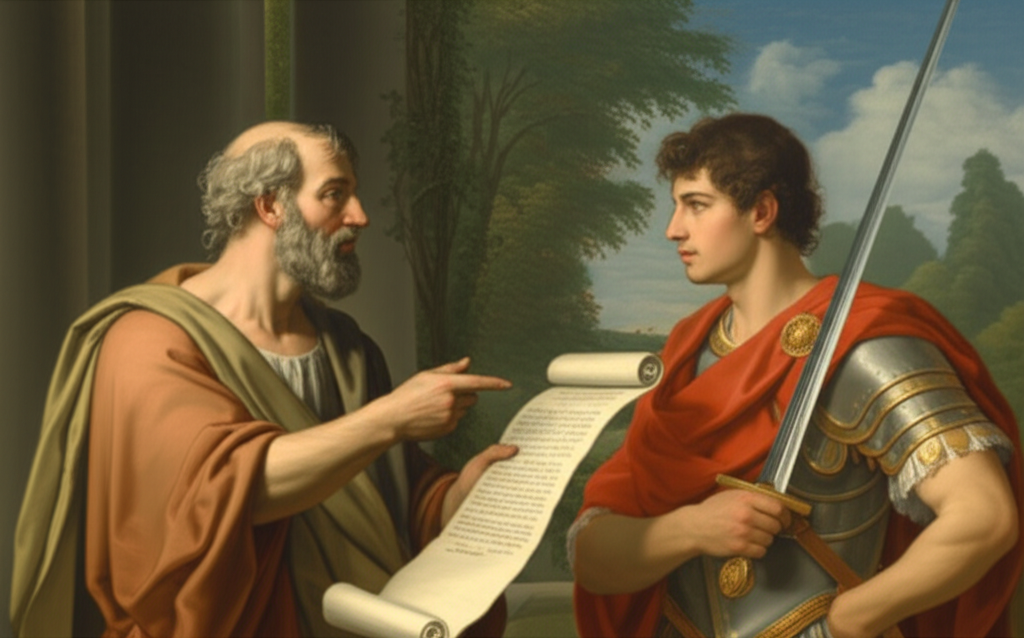
The Decline of Aristocratic Honor and Its Philosophical Implications
As societies evolved, the ideal of aristocratic honor faced increasing challenges. The rise of democratic ideals questioned the legitimacy of birthright rule, while changing economic structures diluted the power of traditional landed aristocracies. Critics argued that honor, in practice, often devolved into mere pride, an obsession with superficial status, or a justification for oppressive class distinctions.
Philosophers like Machiavelli, while acknowledging the importance of reputation, often detached it from traditional moral virtue, suggesting that a ruler's actions, however ruthless, were honorable if they preserved the state. This shift marked a significant departure from the classical understanding of honor rooted in moral excellence. The eventual decline of aristocratic government in many parts of the world also saw the erosion of its specific honor codes, replaced by new ethical frameworks.
Conclusion: Echoes of Aristocratic Ideals in Modern Thought
While classical aristocracy as a form of government is largely a relic of the past, the underlying philosophical questions it raises regarding leadership, virtue, and the role of honor continue to resonate. Modern discussions about ethical leadership, public trust, and the responsibilities of those in power often echo the ancient preoccupation with integrity and the pursuit of excellence. The tension between personal ambition and the common good, so central to the concept of aristocratic honor, remains a timeless challenge in any political system. Understanding this historical interplay between aristocracy, honor, and custom and convention offers valuable insights into the enduring quest for just and effective government.
YouTube Video Suggestions:
-
📹 Related Video: PLATO ON: The Allegory of the Cave
Video by: The School of Life
💡 Want different videos? Search YouTube for: "Plato's Republic Aristocracy Virtue Ethics"
2. ## 📹 Related Video: ARISTOTLE ON: The Nicomachean Ethics
Video by: The School of Life
💡 Want different videos? Search YouTube for: "Aristotle Nicomachean Ethics Honor Political Philosophy"